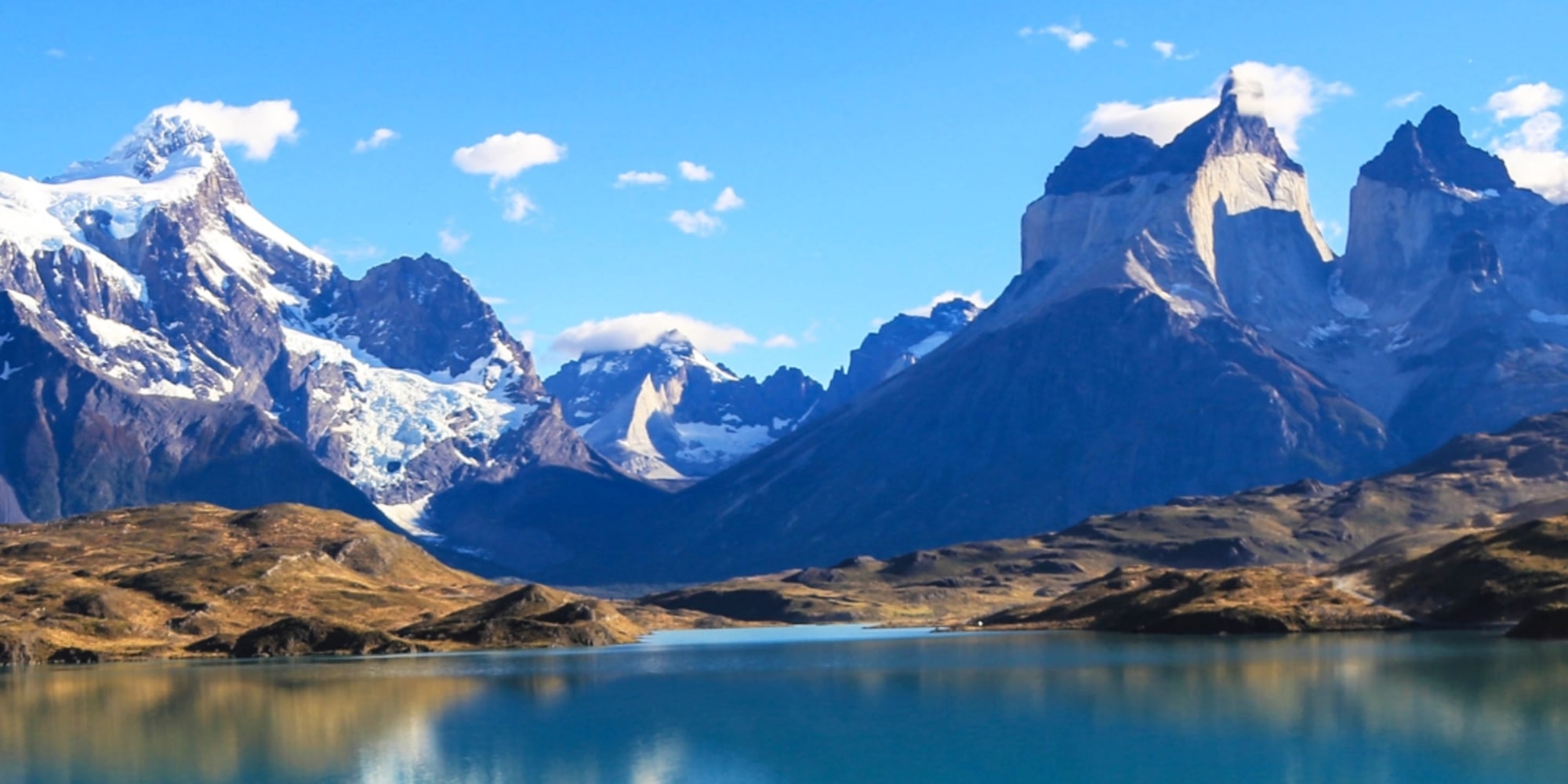
Here’s the thing about choosing the best time to visit Torres del Paine: there isn’t one magic week when the wind drops, the clouds disappear and Patagonia decides to behave itself.
That’s part of the fun.
What you can choose is the version of Torres del Paine you want to meet.
From late October to early April, the park moves through a remarkable hiking season. Early on, the landscape is emerging from winter. By December and January, daylight stretches well into the evening. Come March, there’s a different pace on the trails as fall approaches.
For hikers, this October-to-April stretch is the sweet spot. It’s also when we focus our adventures in Torres del Paine. Rather than asking which season is ‘best,’ ask yourself a better question:
What do you want your days in Torres del Paine to feel like?
When Is the Best Time to Visit Torres del Paine National Park?
For hiking, the best time to visit Torres del Paine is generally from late October through early April. These months bring longer daylight and give you the strongest window for tackling the park’s major trails. Within that period, the experience changes noticeably, so the right dates depend on whether you value maximum trail time, an earlier-season atmosphere or the quieter feel of late summer and early fall.
Visit Torres del Paine in October and November for an Early Start to Hiking Season
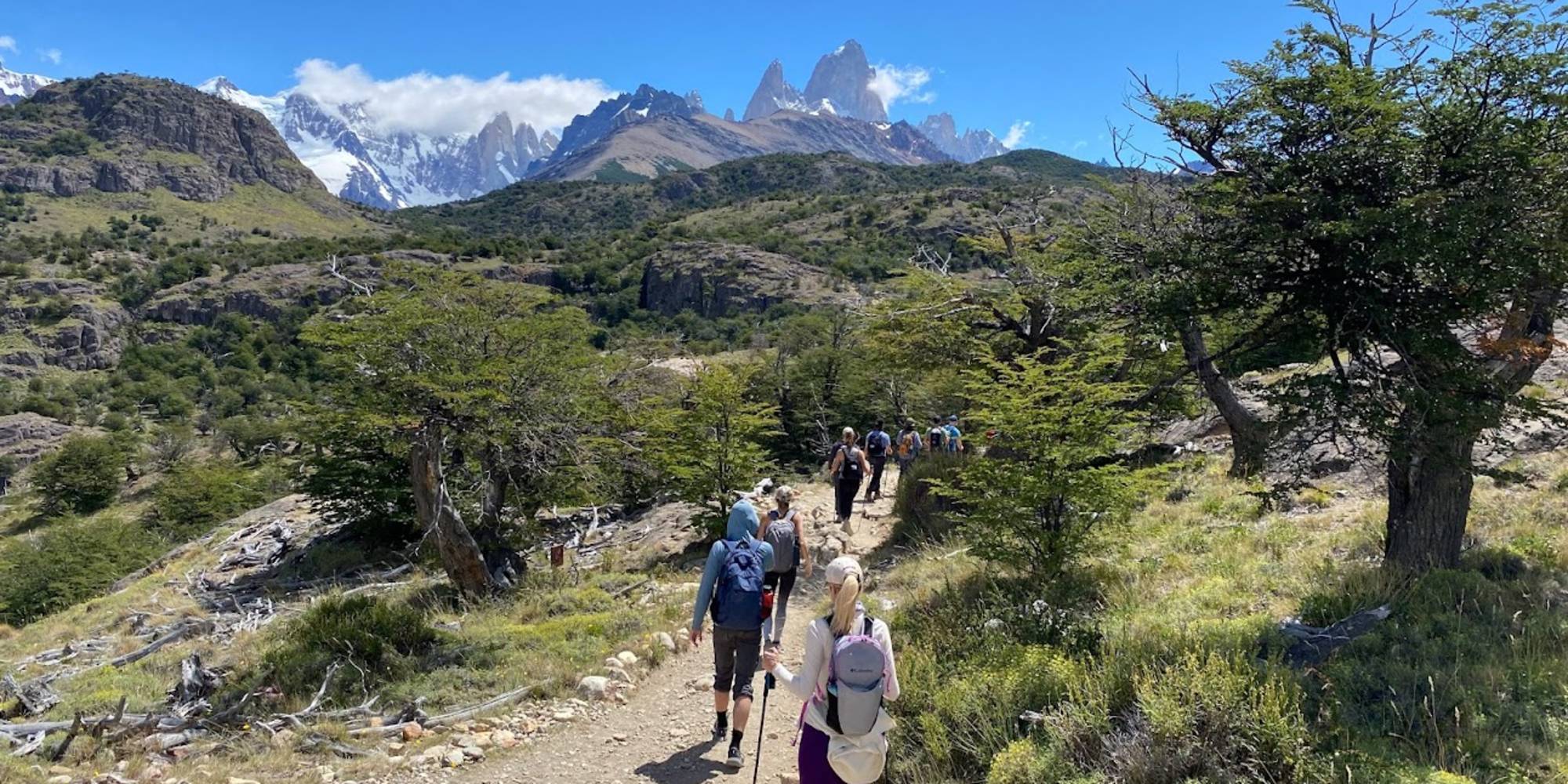
By late October, Torres del Paine is shaking off winter and moving back into hiking mode.
Days are getting longer, and there can still be lingering snow at higher elevations. By November, you’re moving quickly toward the longest days of the year.
This can be an exciting time to hike because the landscape still has that just-out-of-winter feel. But this is Patagonia, so don’t read ‘spring’ as shorthand for calm, predictable weather.
Wind is part of the equation throughout the main trekking season, and rain, cold spells and sudden changes can still arrive quickly. The answer isn’t trying to outsmart the forecast. It’s bringing good layers and being ready to adapt.
This window suits you if: you like the idea of arriving as the main hiking season gets underway and don’t mind trading a little more unpredictability for an earlier-season experience.
December and January Bring Torres del Paine’s Longest Hiking Days
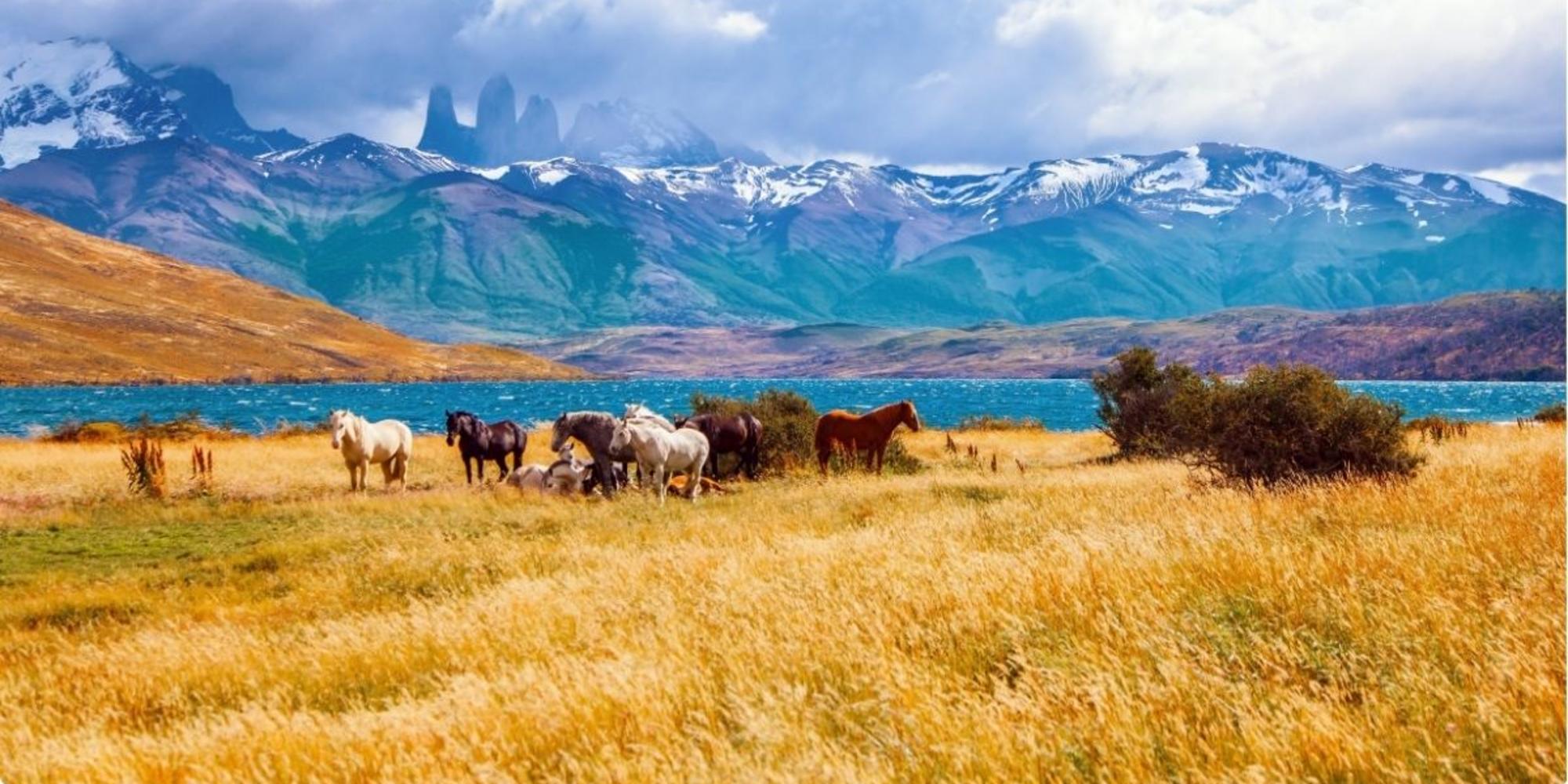
Patagonia doesn’t rush sunset in midsummer.
Around the December solstice, Torres del Paine enjoys its longest daylight of the year. That extra daylight is particularly welcome when your plans involve a substantial hike rather than a quick wander to a viewpoint.
And Torres del Paine has plenty of big days worth making time for.
On our Classic Torres del Paine Hiking Adventure, for example, the hike toward the famous granite towers covers around 13.7 miles (22 kilometers) and takes roughly 7 to 9 hours. The trip also heads deep into French Valley and spends four days hiking sections of the W Trek between mountain refugios.
The trade-off is hardly surprising. December and January sit at the heart of the popular summer trekking period, so refugios and other key services need to be planned well in advance.
This window suits you if: long hiking days are high on your Patagonia wish list and you’d rather have plenty of daylight in reserve.
February and March Offer a Different Pace in Torres del Paine
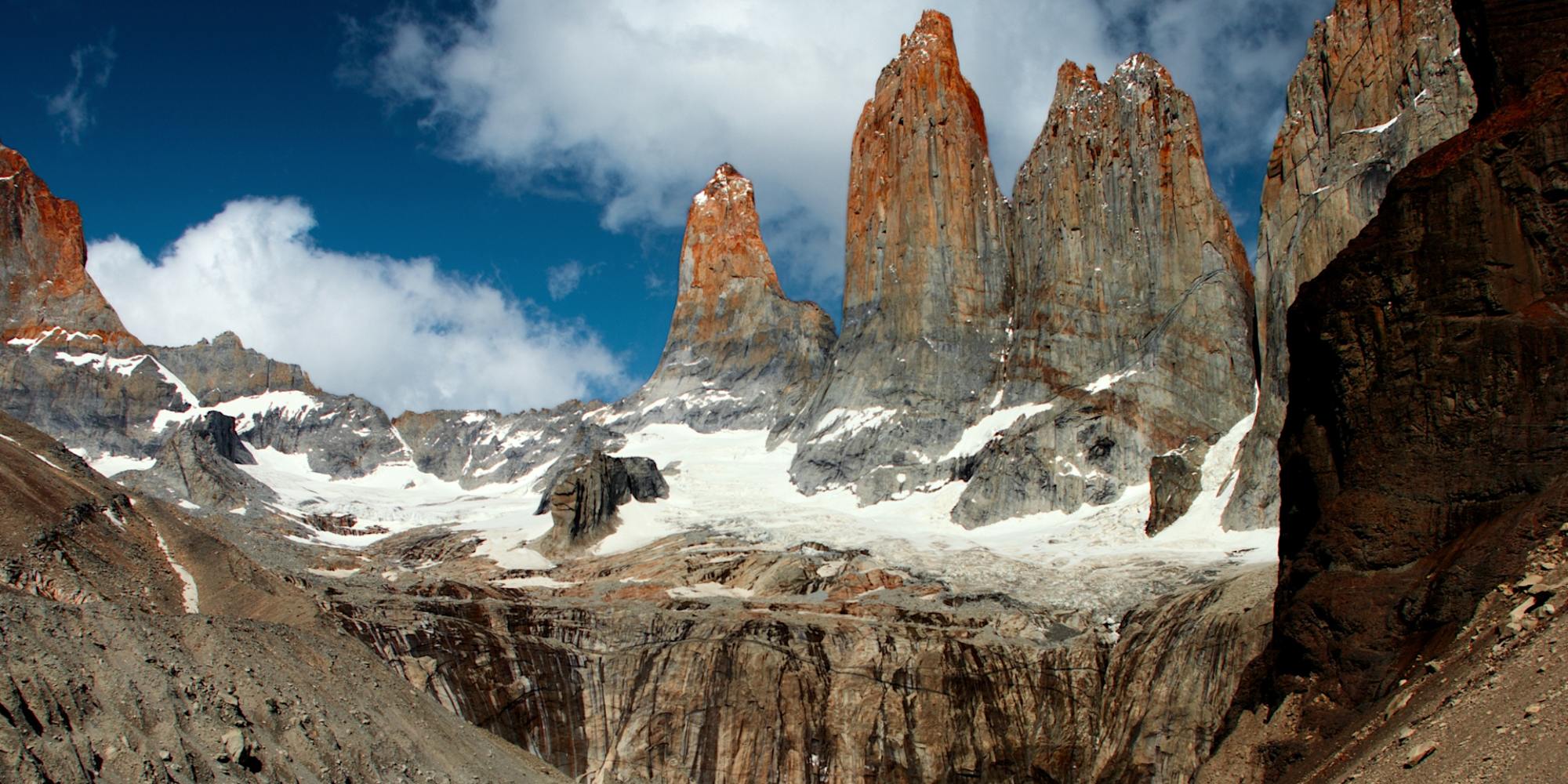
Then there’s that interesting stretch when summer begins handing things over to fall.
February still delivers long days for hiking, while March starts to change the mood. Daylight gradually shortens, temperatures begin cooling and fall starts to make itself known.
For many hikers, that’s not a compromise. It’s the appeal.
You still have time for serious days on the trail, but the experience is beginning to shift away from the height of midsummer.
It’s also a great time to think beyond one famous Torres del Paine viewpoint. The park rewards time and movement. You might be walking beside Lake Nordenskjöld beneath Los Cuernos one day, heading into French Valley the next, then looking across Grey Lake toward a wall of ancient ice.
This window suits you if: you want substantial hiking days but don’t necessarily need the very longest days of midsummer.
What to Expect in Torres del Paine in Late March and Early April
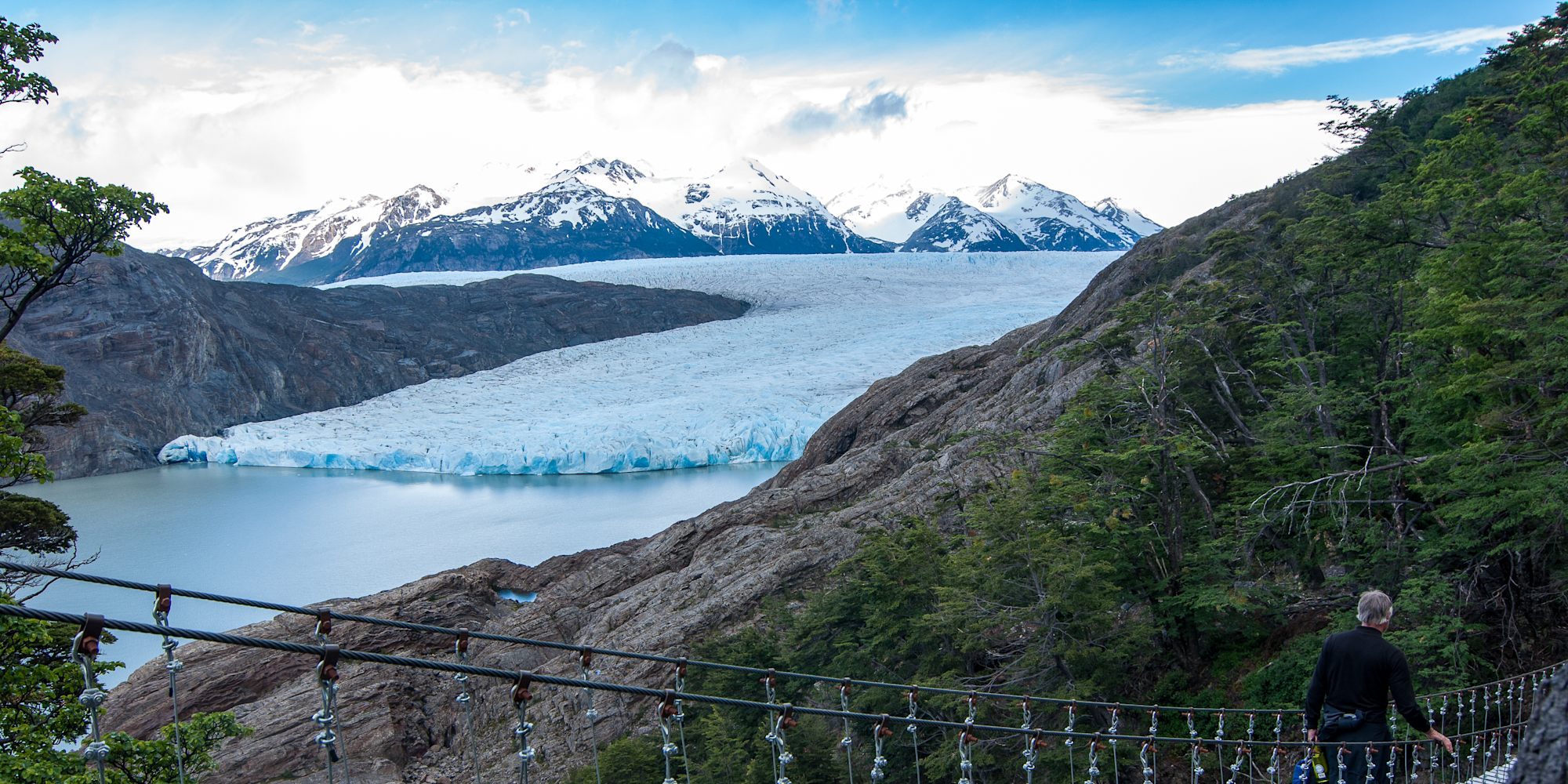
The final part of the October-to-April window feels different again.
Daylight is noticeably shorter, temperatures are cooler and conditions demand good preparation. April can bring a greater chance of cold weather and snow at elevation, and some tourism services begin winding down as the month progresses.
That’s why timing and logistics matter more here.
There’s still plenty to draw hikers south, especially as fall colors begin appearing across the landscape. But this isn’t the time to assume every service operates exactly as it does in January. If you’re considering an April visit independently, check accommodation, transport and trail requirements carefully before committing to dates.
This window suits you if: cooler hiking doesn’t bother you, you’re comfortable packing for changeable conditions and you’re happy to plan carefully around shorter days and seasonal services.
W Trek Backcountry or Lodge-Based Hiking: How Do You Want to Experience Torres del Paine?
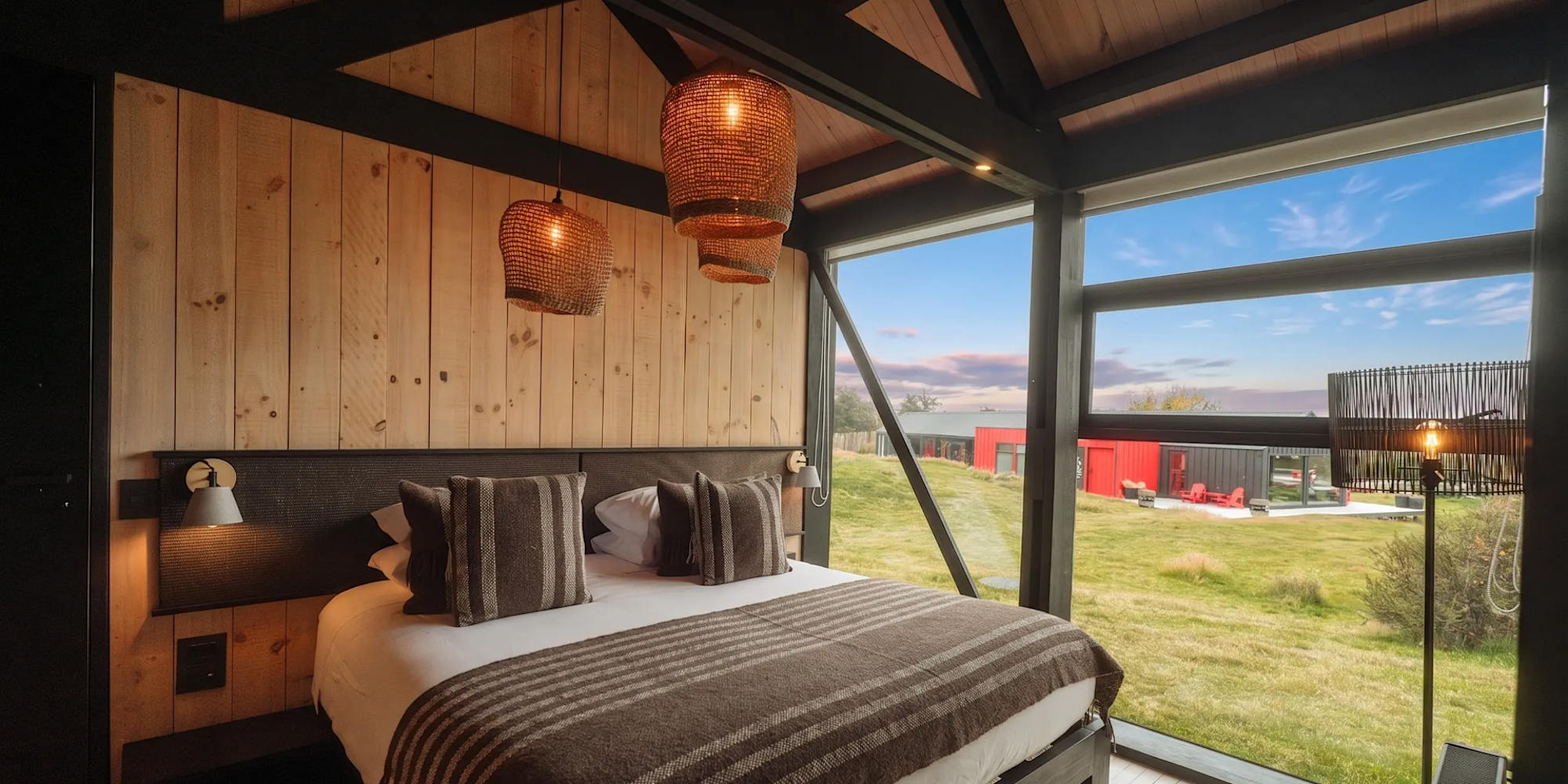
Choosing when to visit Torres del Paine gets plenty of attention. Choosing how you want to experience it can make an even bigger difference.
If you want to pull on your boots in the morning, hike deep into the mountains and sleep right there among them, a classic W Trek experience puts you firmly in Patagonia’s backcountry. Our 8-day Classic Torres del Paine Hiking Adventure follows the famous W route with mountain refugio stays, while the 14-day Ultimate Patagonia W-Trek Adventure continues beyond Torres del Paine into Argentina and Los Glaciares National Park.
If you love hiking but appreciate returning to the same comfortable base, there’s a different way to do it. The 8-day Torres del Paine Lodge-Based Hiking Adventure tackles W Trek day hikes while returning to lodge accommodation, while the 14-day Patagonia Lodge-Based Hiking Adventure combines Torres del Paine with Argentine Patagonia and highlights including Fitz Roy and Perito Moreno Glacier.
In other words, your decision doesn’t have to be ‘When should I hike Patagonia?’ It can be: How deep into Patagonia do I want to go, and where would I like to put my feet up afterward?
So, When Should You Visit Torres del Paine?
For hiking, late October through early April is the window we’d put at the top of the list. This is the period around which our Torres del Paine adventures are planned.
Late October to November: Go for an earlier-season feel and rapidly lengthening days.
December to January: Choose these months if maximum daylight for long hiking days matters most.
February to March: A strong middle ground if you want plenty of hiking time as the landscape begins edging toward fall.
Late March to early April: Think cooler temperatures, shorter days and a distinctly end-of-season feel.
Whatever date you circle on the calendar, don’t choose it because somebody promised you perfect Patagonian weather. Torres del Paine doesn’t make that promise.
Come prepared for wind, sun, rain and rapid changes instead. Then, when the cloud lifts from the Paine Massif, Grey Glacier appears across the lake or the granite towers finally come into view after hours on the trail, you’ll be exactly where you need to be.
