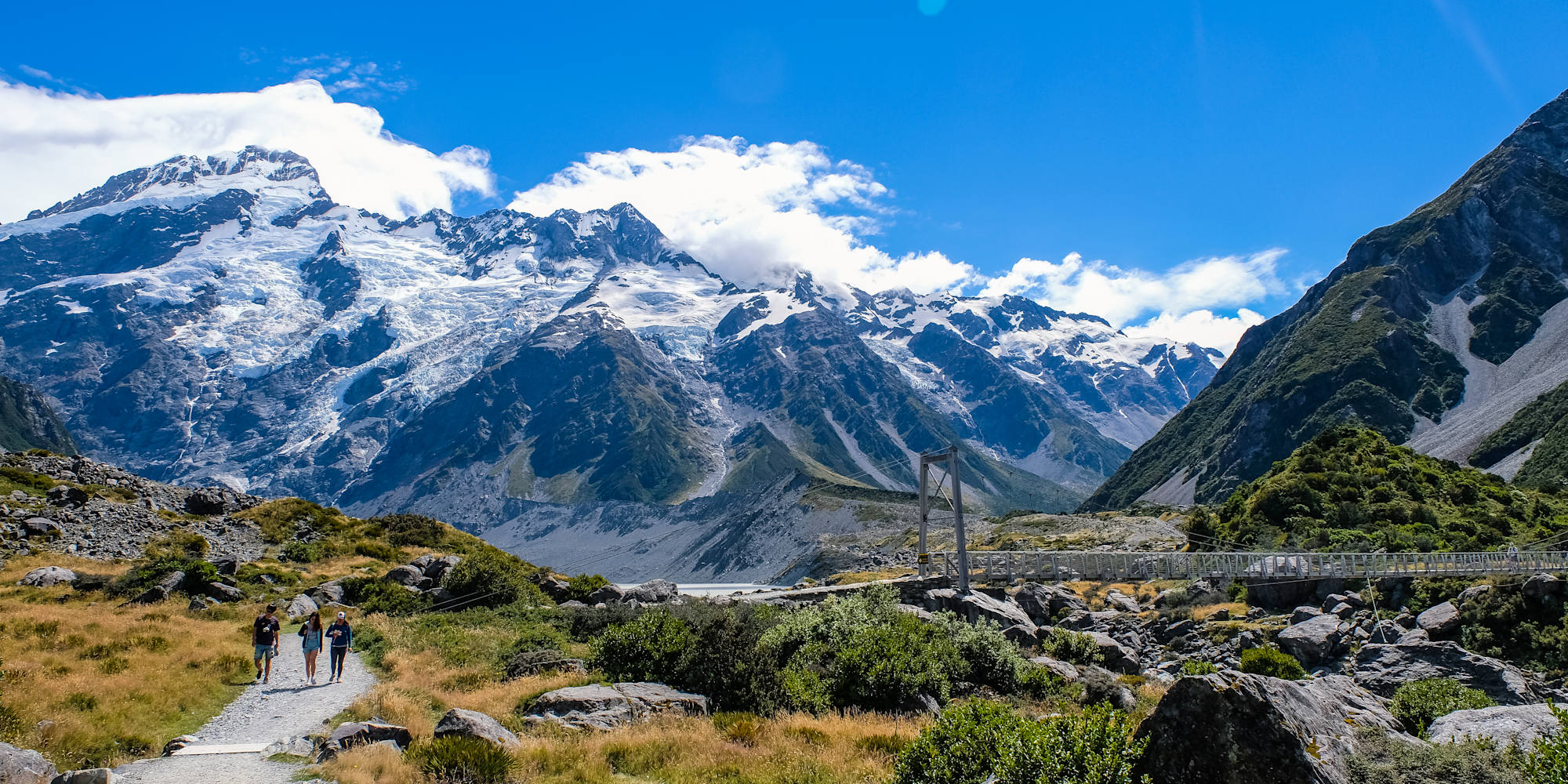
New Zealand is one of those places that feels bigger than the map suggests. In one journey, you can walk through ancient rainforest, stand beneath hanging glaciers, watch steam rise from geothermal valleys, kayak quiet lagoons, hike above bright alpine lakes, and end the day sharing a meal with people who feel like old friends.
For active travelers, the best way to experience New Zealand is to give yourself time, choose the right season, and plan around the landscapes you most want to explore. The South Island is known for alpine scenery, glaciers, fjords, and many of the country’s most iconic hiking trails. The North Island brings volcanic landscapes, geothermal valleys, Māori culture, warm coastlines, and rich forest walks. Both are worth your boots.
And this is home for us. Active Adventures began right here in New Zealand almost 30 years ago, with a handful of local hikers and a deep love for wild places. Our "Kiwi" (New Zealand) guides know the trails, the weather, the stories, and the tucked-away corners that make a trip feel personal. If you’re planning your first visit, this guide will help you understand where to go, when to travel, what to expect, and how to make the most of your time here.
Where is New Zealand, and what makes it so special?
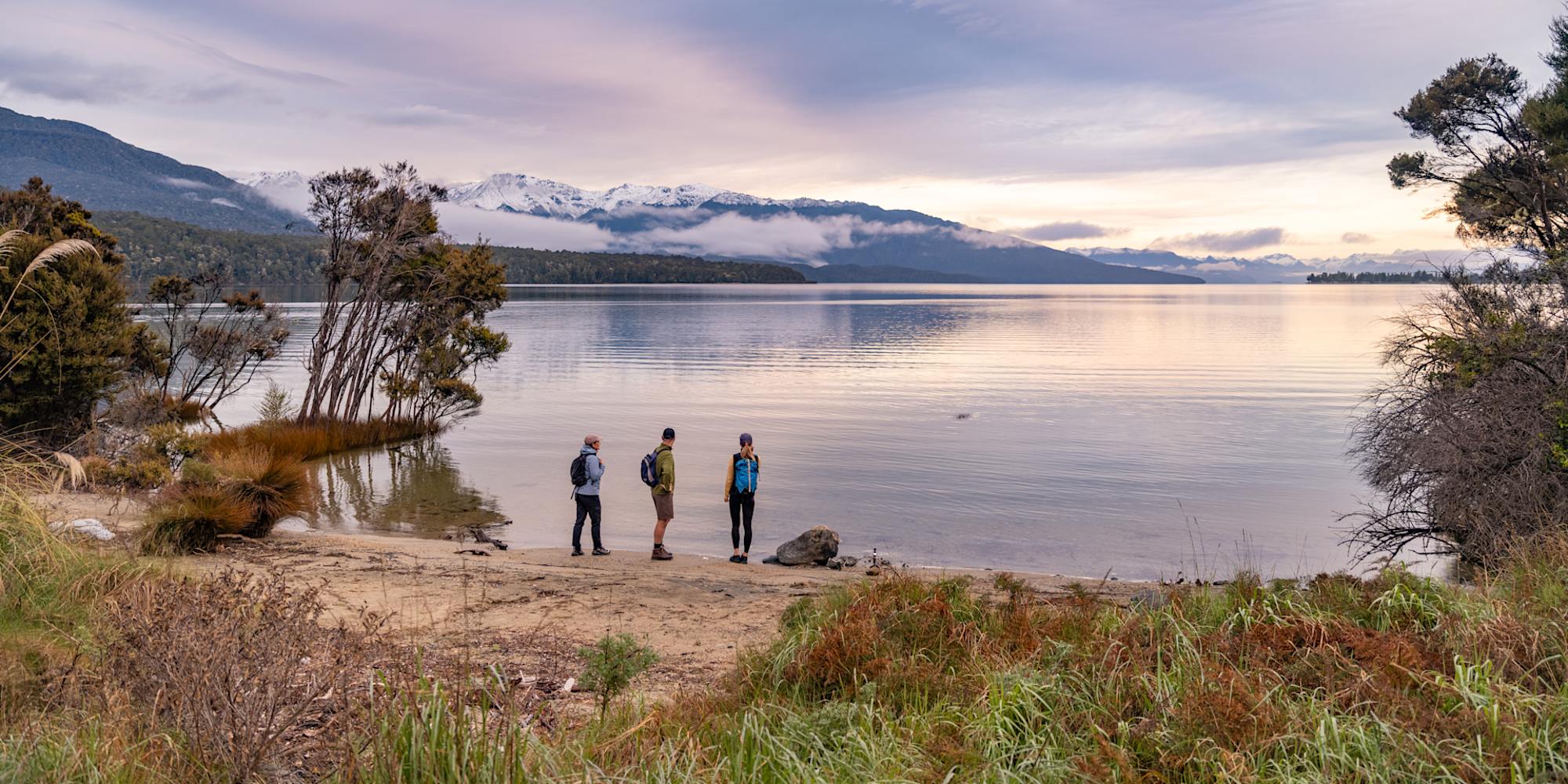
New Zealand, or Aotearoa (as it is called in the indigenous Māori language), sits in the South Pacific, southeast of Australia. It is made up of two main islands — the North Island and South Island — along with smaller islands including Stewart Island/Rakiura. What makes New Zealand so special is the amount of variety packed into a relatively compact country. You can be walking beside the ocean in the morning, crossing a mountain pass in the afternoon, and soaking tired legs beside a lake by evening.
For travelers coming from the USA or Canada , New Zealand is a a 12-hour flight from North America’s Pacific Coast, so it’s worth planning well. Several airlines fly direct to Auckland (in the North Island), and to Christchurch (in the South Island), with onward domestic connections to places such as Queenstown. The distance is part of the adventure, but the reward is a country that feels completely distinct: familiar enough to welcome you in, wild enough to make you feel wonderfully far from home.
North Island or South Island: which should you choose?
The North Island is warmer, more volcanic, and deeply rich in Māori culture. It’s where you’ll find geothermal landscapes around Rotorua, the volcanic drama of Tongariro National Park, beaches and coastal forests in Northland, and Auckland’s harbors and island-dotted skyline. For travelers who want culture, coast, geothermal activity, and volcanoes, the North Island is a beautiful place to start.
The South Island is wilder in a more alpine way. This is where you’ll find the Southern Alps, Aoraki/Mount Cook, Fiordland, Milford Sound (known as Piopiotahi in the Māori language) , the West Coast glaciers, Queenstown, Wanaka, Abel Tasman, and many of New Zealand’s most famous hiking trails, known as the Great Walks. If your idea of New Zealand is snow-dusted peaks, swing bridges, blue lakes, and long days on foot, the South Island will likely call loudest.
For many first-time visitors, the best answer is simple: see both islands if you can. If time is limited, choose based on the experience you most want. North Island for geothermal landscapes, Māori culture, volcanoes, and coast. South Island for classic alpine hiking, fjords, glaciers, and big mountain scenery.
How long should you spend in New Zealand?
For most international travelers, 10 to 14 days is a strong starting point. That gives you enough time to settle in, adjust after the flight, and experience several landscapes without feeling like you’re constantly packing your bag. If you want to explore both islands properly, two to three weeks is even better.
New Zealand rewards unhurried travel. Roads are scenic but often winding. Weather can shift. A place that looks like a quick drive on the map may tempt you to stop five times for waterfalls, viewpoints, short walks, and a coffee in a town you hadn’t planned on loving. Leave room for that. Some of the best New Zealand moments happen in the pauses.
Best time to visit New Zealand?
The best time to visit New Zealand depends on what you want to do, but for hiking and active adventure, October through April is generally the most rewarding travel window. These months cover spring, summer, and autumn in the Southern Hemisphere, with longer daylight hours, more accessible trails, and a wide range of outdoor activities.
New Zealand’s weather varies significantly between regions and between the North and South Islands, so it’s best to prepare for changeable conditions even in the warmer months. The trick is not to wait for perfect weather. It’s to pack well, plan with care, and travel with people who know how to adapt the day without losing the magic.
Spring: September to November
Spring brings fresh growth, snow still lingering on high peaks, and a sense of the country waking up. Waterfalls can be full, gardens bloom, and trails begin to open up. It’s a lovely time to travel if you enjoy fewer crowds and don’t mind packing extra layers.
For hikers, spring can be a mixed season. Lower trails are often beautiful, but higher alpine routes may still hold snow or be affected by winter conditions. If you’re traveling in spring, flexibility and local advice matter.
Summer: December to February
Summer is the warmest and busiest season. Days are long, towns feel lively, and it’s a wonderful time for hiking, kayaking, swimming, cycling, and exploring national parks. It’s also New Zealand’s peak travel period, especially around Christmas, New Year, and January school holidays.
For travelers who want the fullest range of outdoor options, summer is hard to beat. Just book early, expect popular places to be busier, and carry sun protection. New Zealand’s sun can be stronger than visitors expect, even on a cool or cloudy day.
Fall: March to May
Fall (or "autumn" as it is known as in New Zealand) is a favorite for many active travelers. The weather is often settled, the summer crowds ease, and the landscapes take on softer light. March to April are especially good for hiking, with comfortable temperatures and fewer people on the trails.
In places like Central Otago, Wanaka, Queenstown, and parts of Canterbury, fall foliage color adds a golden edge to the journey. It’s a quieter, calmer time to travel, especially if you like your trails with a little more breathing room.
Winter: June to August
Winter brings snow to the mountains and a quieter feel to many regions. It’s best known for skiing around Queenstown, Wanaka, and other alpine areas. Some lower-elevation walks remain possible, but many high alpine routes are affected by snow, ice, avalanche risk, and shorter daylight hours.
For a classic New Zealand hiking adventure, winter is usually not the best fit. For snow, skiing, hot pools, and crisp mountain views, it has its own kind of magic.
Quick answer: when should active travelers go?
For hiking, kayaking, and guided adventure travel, aim for November through April, with January to March offering the warmest weather and March to April often giving a beautiful balance of good trail conditions and fewer crowds.
Best places to visit in New Zealand for active travelers
New Zealand is full of places that look like they were designed for people who love moving through landscapes, not just looking at them. The best places to visit depend on your pace, but these regions consistently deliver the kind of experience active travelers come all this way for.
Queenstown and Glenorchy
Queenstown is New Zealand’s adventure capital, but there’s more to it than adrenaline. Yes, it is the original home of bungy jumping, but you can also jet boat, zip through canyons, hike above Lake Wakatipu, wander lakeside trails, explore nearby wineries, and head toward Glenorchy, where the road itself feels like a postcard.
Glenorchy is quieter, smaller, and surrounded by mountains that seem to rise straight from the valley floor. It’s a gateway to some of the South Island’s most beautiful walking country, including Mount Aspiring National Park and the Routeburn Track (a “Great Walk”) area.
You can experience this area of New Zealand on several Active Adventure tours including the Ultimate Fiordland & Queenstown Adventure.
Fiordland and Milford Sound
Fiordland is deep, green, wet, and unforgettable. Rain is part of the story here; it feeds the waterfalls, fills the rivers, and gives the forest its rich, mossy glow. Milford Sound/Piopiotahi is the most famous fiord, with sheer cliffs, dark water, and waterfalls that appear from every direction after rain.
This is also Great Walk country. The Milford, Kepler, Routeburn, and Hump Ridge tracks all sit in or near this wild southwestern corner of the South Island, making Fiordland one of the most important hiking regions in New Zealand. We have lots of guided adventure tours in this neck of the woods, including our ever-popular Great Walks of New Zealand trip.
Experience the best of Fiordland, Queenstown on a number of our South Island trips including the spectacular Ultimate South Island Adventure. If you're looking for a shorter itinerary explore the 8-Day Classic South Island Adventure.
Aoraki/Mount Cook and the Mackenzie Country
Aoraki/Mount Cook National Park is home to New Zealand’s highest mountain, surrounded by glaciers, alpine valleys, and bright glacial lakes. Trails range from shorter valley walks to more demanding alpine routes, with scenery that feels vast and clean-lined.
The Mackenzie Country is also one of the best places to feel the scale of the South Island: wide skies, tussock landscapes, turquoise lakes, and mountains on the horizon. On a clear night, the stargazing (in international Dark Sky zones) can be extraordinary. Experience this magical place for yourself on a South Island Adventure. Active Adventures has curated a 5-Day South Island Highlights Adventure which includes the spectacular Aoraki / Mount Cook National Park.
Abel Tasman and the top of the South Island
Abel Tasman National Park offers a gentler kind of beauty: golden beaches, clear water, coastal forest, and walking tracks that weave between bays. It’s ideal if you want to mix hiking with kayaking, swimming, and time on the water. Get a taste of the stunning Abel Tasman Track on the New Zealand Walking Adventure.
Nearby Nelson Lakes National Park, Marlborough, and the top of the South Island offer a rich mix of alpine lakes, vineyards, coastal tracks, and quieter trails.
The West Coast
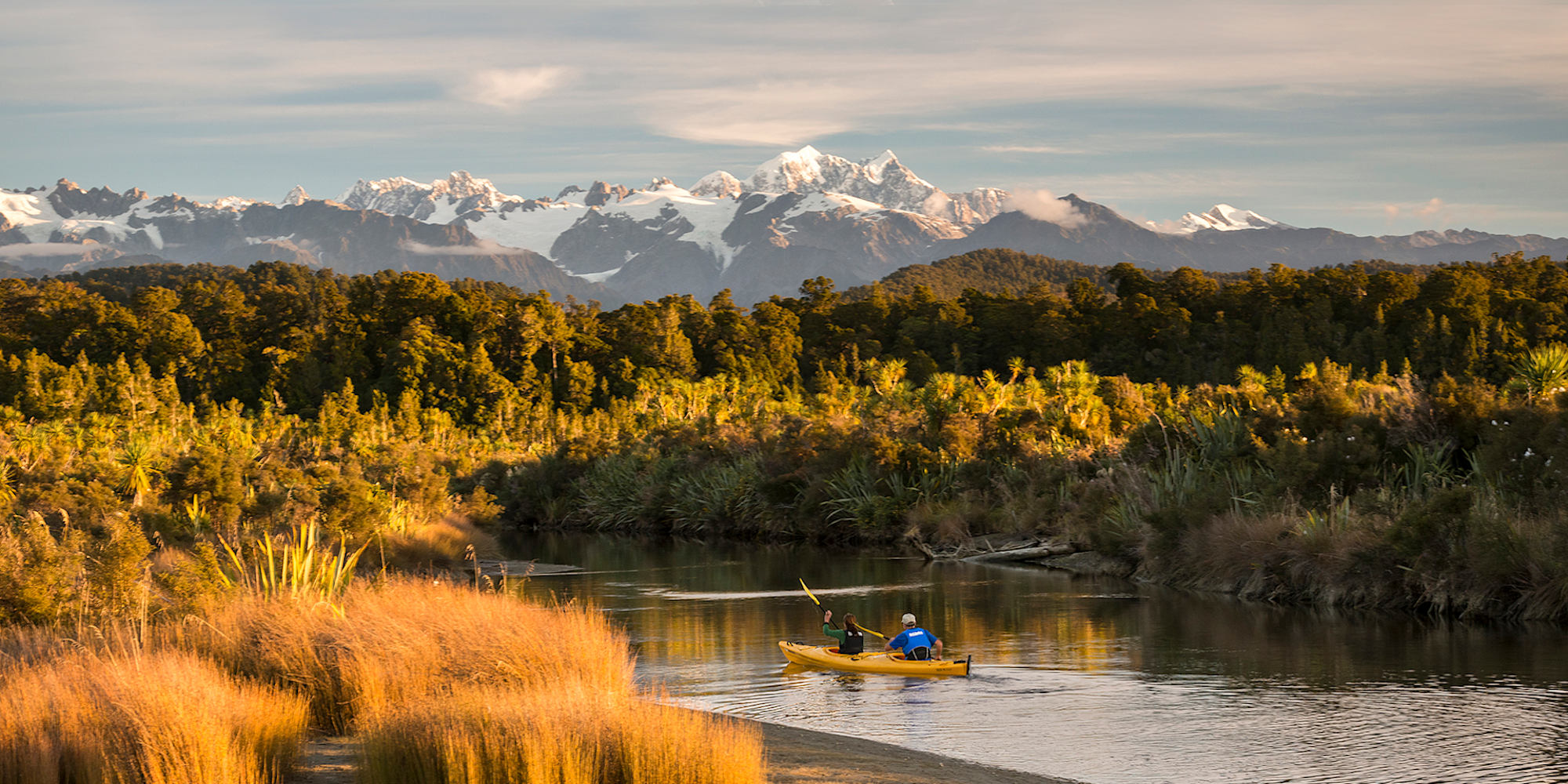
The West Coast is one of New Zealand’s most distinctive regions: rainforest, glaciers, black-sand beaches, limestone formations, and weather that keeps everything lush. Franz Josef and Fox glaciers are the big names, but the coast is full of smaller places that stay with you: Ōkārito Lagoon, Punakaiki’s Pancake Rocks, and forest tracks where the trees seem to drip green. Lots of Active Adventures travel down the unspoilt West Coast. Get in touch to find out more about exploring this beautiful part of the world.
Rotorua, Tongariro, and the Central Plateau
The central North Island is where geothermal steam, volcanic terrain, and Māori culture come together. Rotorua is known for bubbling mud pools, hot springs, and cultural experiences, while Tongariro National Park offers some of the country’s most dramatic volcanic hiking.
The Tongariro Alpine Crossing is often talked about as one of New Zealand’s best day hikes, but it is an alpine route, not a casual stroll. Conditions can change quickly, and local guidance is valuable. Want to experience this other-worldly part of the country for yourself? Check out our 11-Day Ultimate North Island Adventure or the shorter 5-Day North Island Volcanic Adventure.
Northland and Auckland
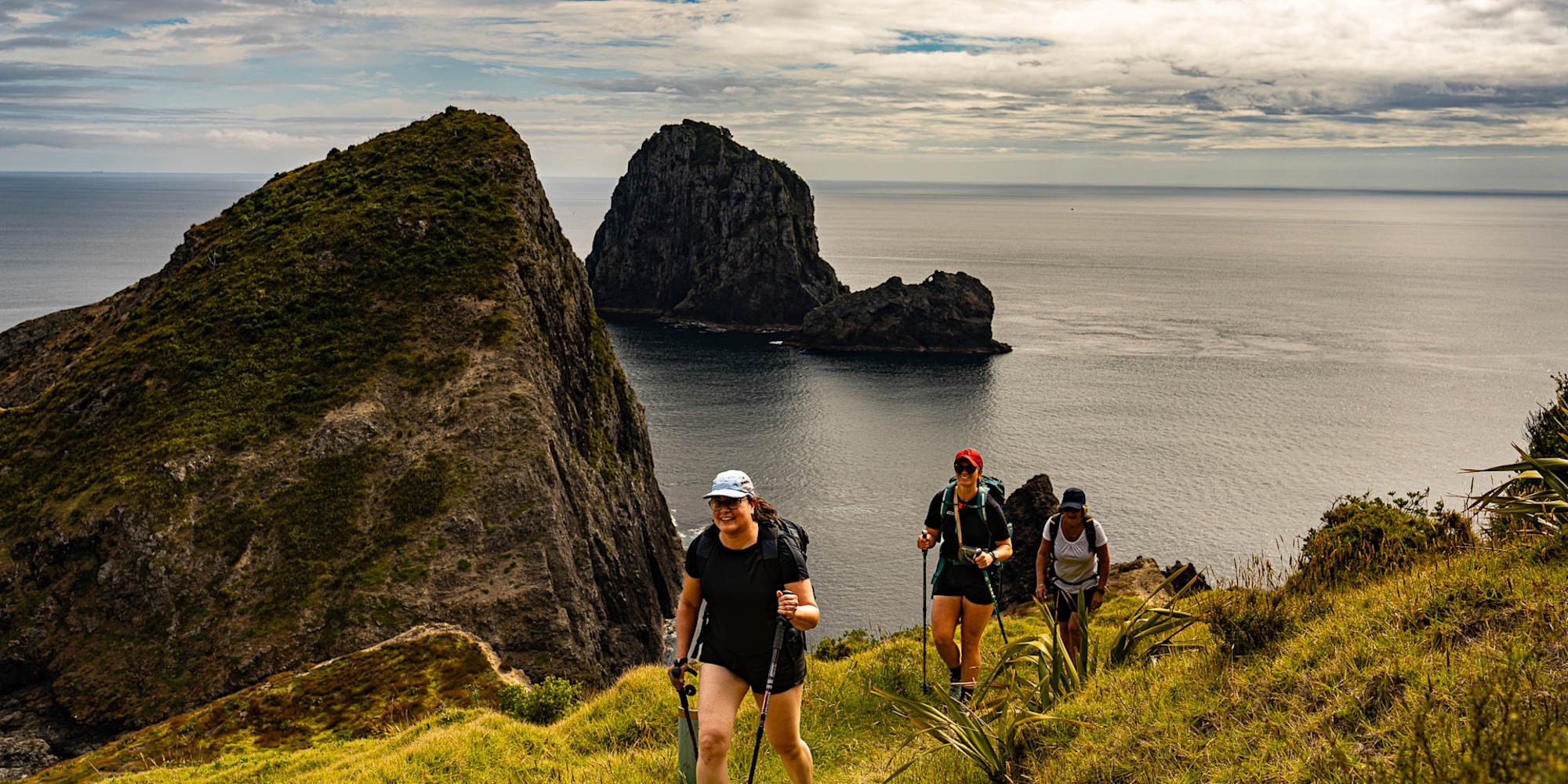
Northland brings a warmer, coastal feel, with beaches, ancient kauri forests, and important cultural history. Auckland is often the arrival point for international travelers, but it’s worth more than a quick airport stop. Harbors, islands, volcanoes, food, and nearby coastal walks make it an easy introduction to the country.
Hiking, Great Walks, and what to expect on the trail
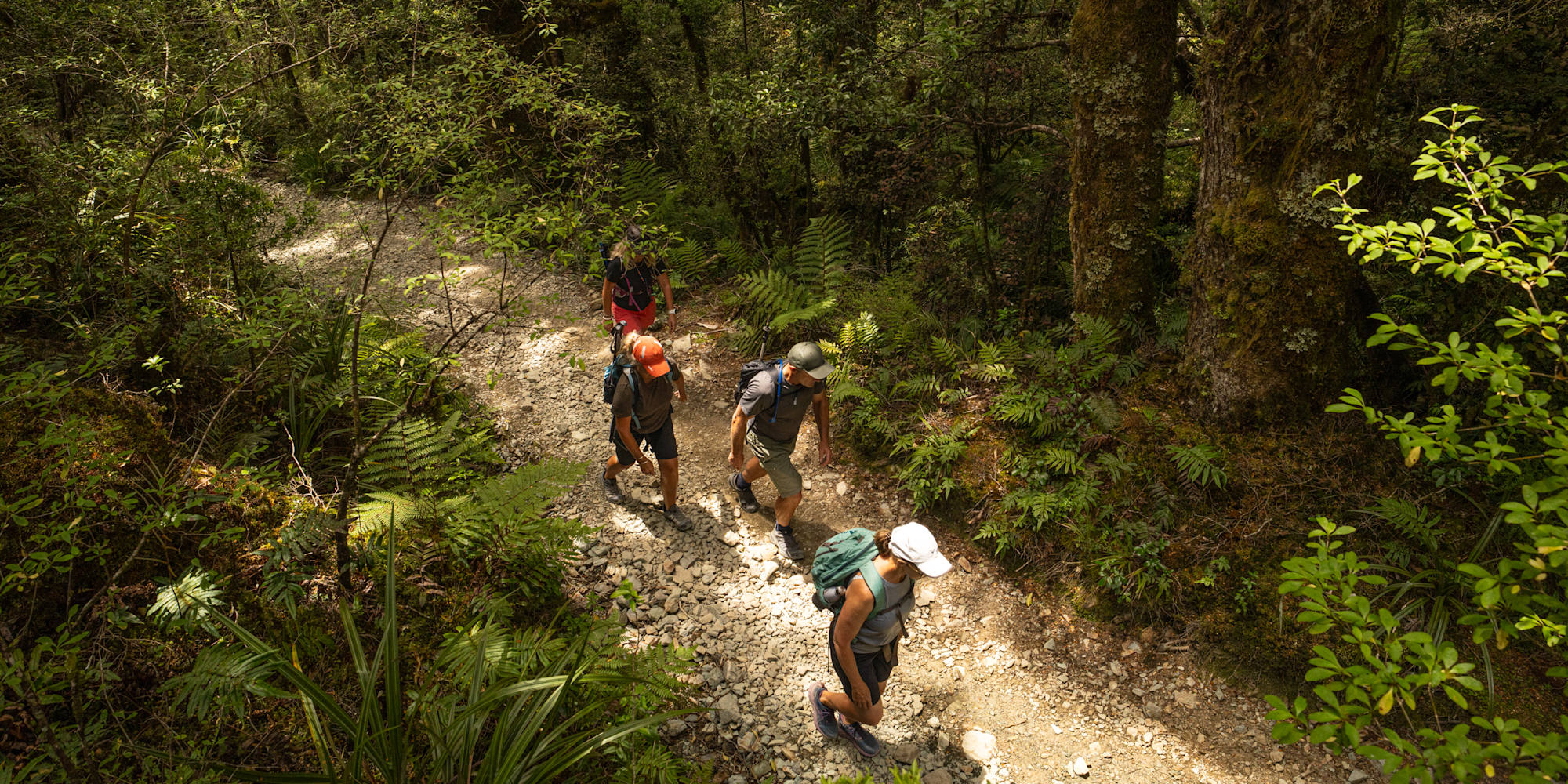
For many travelers, hiking is the reason New Zealand sits so high on the list. Trails here move through a remarkable range of landscapes: beech forest, volcanic rock, alpine passes, braided river valleys, coastal tracks, wetlands, glaciers, and fjords.
New Zealanders often call hiking “tramping”, especially when it involves backcountry trails or overnight huts. It’s a word that carries a lot of local feeling: sturdy boots, a packed lunch, weather coming over the ridge, and that quiet satisfaction of reaching the hut or trail end with tired legs and a full heart.
What are New Zealand’s Great Walks?
New Zealand’s Great Walks are the country’s premier multi-day tracks. They are more than famous hikes; they’re a quality mark and a sign that a track has exceptional scenery, strong infrastructure, and national significance. For travelers trying to understand the best hikes in New Zealand, the Great Walks are a helpful place to start.
Some of the best-known Great Walks include the Milford Track, Routeburn Track, Kepler Track, Abel Tasman Coast Track, Tongariro Northern Circuit, Paparoa Track, Rakiura Track, and Tuatapere Hump Ridge Track. Each has its own character, from Fiordland rainforest and alpine ridges to golden beaches and volcanic plateaus. Read more about New Zealand's Great Walks hiking trails.
How difficult is hiking in New Zealand?
New Zealand hikes range from easy lakeside strolls to demanding alpine routes. The important thing is to choose trails that match your fitness, experience, and comfort with changing weather.
Even well-known tracks can be more serious than they sound. Trails may include rocky sections, stairs, mud, swing bridges, river valleys, exposed ridges, or long climbs. Weather can move quickly, especially in alpine and coastal regions. That’s one reason a guided trip can make such a difference: you still feel the adventure, but you’re not carrying every logistical decision on your own.
Why go guided in New Zealand?
A guided trip helps you spend less time coordinating shuttles, accommodation, meals, safety decisions, and trail conditions, and more time being present. On a well-led New Zealand adventure, you’re not just following a route. You’re learning what bird you just heard in the bush, why a mountain has two names, when to pause for weather, where the best lunch spot is, and how to read the landscape with a local eye.
That’s where our New Zealand roots matter. Active Adventures started here. Our guides have grown up with these trails, or chosen them as home, and they bring the kind of practical care you only get from people who know how fast the weather can change, where the quiet track begins, and when someone needs an extra snack before the next climb.
Practical New Zealand travel tips
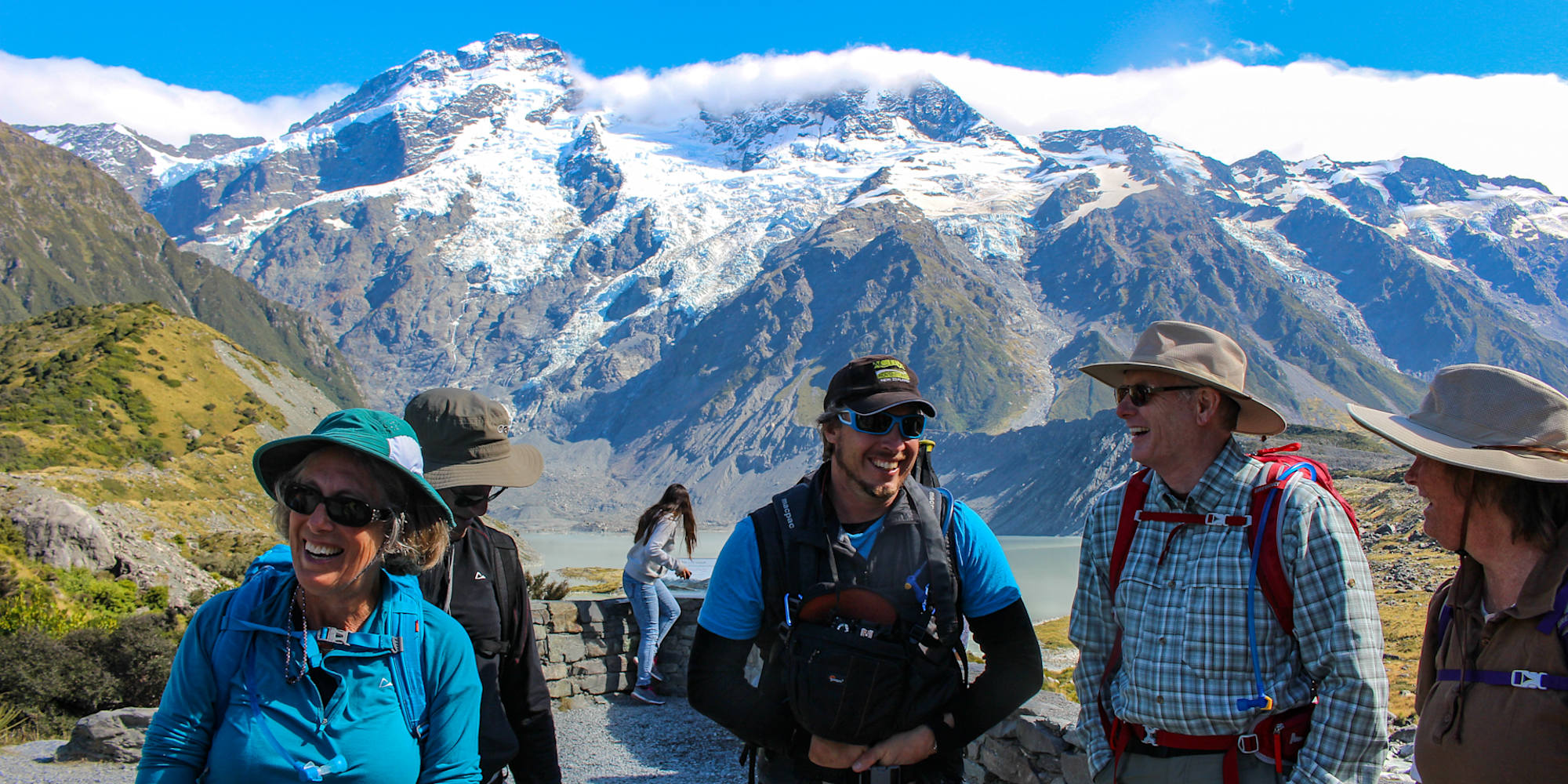
Planning a New Zealand trip is exciting, but there are a few practical things worth knowing before you come.
What should you pack for New Zealand?
Pack for variety. Even in summer, you’ll want layers. Bring broken-in hiking boots or trail shoes, a waterproof rain jacket, a warm fleece or insulated layer, quick-dry hiking clothes, sun protection, a daypack, a reusable water bottle, swimwear, casual evening clothes, personal medication, and a power adapter for New Zealand outlets.
New Zealand’s weather can shift quickly, so think in layers rather than outfits.
Do you need a visa for New Zealand?
Visa requirements depend on your nationality, passport, and length of stay, so travelers should always check the official New Zealand immigration requirements before booking flights. Many visitors need either a visitor visa or a New Zealand Electronic Travel Authority, depending on their passport.
Is New Zealand easy to travel around?
New Zealand is safe, welcoming, and well set up for travelers, but the logistics can be more complex than they first appear. Driving distances often take longer than expected because roads can be narrow, winding, mountainous, or simply too beautiful not to stop. Domestic flights can help cover longer distances, especially between the North and South Islands.
If you’re planning independently, allow more time than the map suggests. If you’re traveling with a guided group, much of this is taken care of: transport, accommodation, timing, meals, and activity planning.
What should travelers know about Māori culture?
Māori culture is woven through New Zealand life, from place names and language to art, stories, customs, and relationships with land and water. Many places have both Māori and English names, and learning even a little context can deepen the way you experience the country.
At Active Adventures, we approach this with respect and humility. Our role is not to tell every story as if it belongs to us, but to help guests travel with curiosity, care, and appreciation for the people and places that shape Aotearoa New Zealand. Read more about Active Adventures approach to guiding guests in New Zealand.
How active do you need to be?
You don’t need to be an elite athlete to enjoy New Zealand, but you’ll get more from the trip if you arrive with a good base of walking fitness. Many trails involve uneven ground, hills, steps, or several hours on foot. If your trip includes multi-day hikes or bigger alpine days, preparation helps you feel confident and comfortable.
A good goal is to build up regular walks on varied terrain before you travel. Add hills where you can. Wear the shoes you’ll bring. Practice carrying a daypack. The point isn’t to train like a mountaineer, it’s to help you enjoy the view when you get there.
Frequently Asked Questions about traveling to New Zealand
What is the best month to visit New Zealand?
For active travelers, October to February is one of the best periods to visit New Zealand, with warmer weather, long daylight hours, and strong hiking conditions. March and April are also excellent if you prefer fewer crowds and softer autumn light.
How many days do you need in New Zealand?
For a first trip, plan at least 10 to 14 days. If you want to visit both islands without rushing, two to three weeks is better. New Zealand looks small on a map, but the landscapes, roads, and weather all reward a slower pace. If you're short on time we have some greatest hits trips such as the 8-Day Classic South Island Adventure, or dive deeper into one area on our 9-Day Ultimate Fiordland & Queenstown Adventure. Shorter still? Or want to combine both islands, then check out the 5-Day trips: Northland Adventure, North Island Volcanic Adventure, or the Great Walks of New Zealand trip.
Is the North Island or South Island better for a first trip?
The South Island is best for alpine scenery, glaciers, fjords, and classic hiking. The North Island is best for geothermal landscapes, Māori culture, volcanoes, beaches, and warmer coastal regions. Many first-time travelers choose both if they have enough time and take advantage of our Back-to-Back Deal where you get a free domestic flight between trips and a discounted adventure.
What are the Great Walks of New Zealand?
The Great Walks are New Zealand’s premier multi-day tracks, managed for access through some of the country’s most spectacular landscapes. They include famous routes such as the Milford, Routeburn, Kepler, Abel Tasman, Paparoa, and Tongariro Northern Circuit tracks.
Do you need to book New Zealand Great Walks in advance?
Yes. Great Walk huts, campsites, and lodges can book out quickly, especially in peak season. Guided trips can help simplify the logistics, particularly for travelers who do not want to coordinate track bookings, transfers, accommodation, meals, and weather planning themselves.
Is New Zealand good for older active travelers?
Yes. New Zealand is a wonderful destination for active travelers who enjoy walking, nature, comfort, and guided support. The key is choosing the right trip style and activity level. Many routes can be tailored around pace, weather, and confidence, especially on a small-group guided adventure.
Is New Zealand expensive to visit?
New Zealand can be a higher-cost destination because of long-haul flights, domestic transport, accommodation demand, and guided activity costs. Many travelers find that an all-inclusive or guided trip helps create better value by bundling logistics, meals, accommodation, activities, transport, and expert guiding into one experience.
What is the best way to see New Zealand?
The best way to see New Zealand is actively: walking, hiking, kayaking, biking, and spending real time in the landscapes rather than only viewing them from the roadside. A guided small-group adventure helps you experience more of the country with less logistical stress.
What should you not miss in New Zealand?
For a first visit, don’t miss Fiordland, Queenstown and Glenorchy, Aoraki/Mount Cook, the West Coast, Rotorua, Tongariro National Park, and at least one Great Walk or Great Walk-style trail experience.
Why travel to New Zealand with Active Adventures?
Because this is where we began. Active Adventures started in New Zealand almost 30 years ago, and our local Kiwi guides still lead guests through the landscapes we call home. You’ll hike, kayak, bike, and explore with people who know the trails, weather, stories, and quiet corners, and who genuinely care about how your journey unfolds.
New Zealand is our home, and we’d love to show it to you the way we know it best: on foot, by paddle, along quiet roads, through native forest, beside alpine lakes, and into the places that stay with you long after the trail ends.
Explore our New Zealand guided adventures to find the trip that fits your pace. Whether you’re drawn to the South Island’s Great Walks, the North Island’s volcanic landscapes, or the full sweep of both islands. We’ll take care of the details, introduce you to the stories behind the scenery, and make sure you feel right at home from the moment your boots hit the trail.
Written by Nicole McLean (born and raised in New Zealand!) and part of the Active Adventures team, drawing on the company’s New Zealand roots and 30+ years of experience guiding travelers through wild, beautiful places.