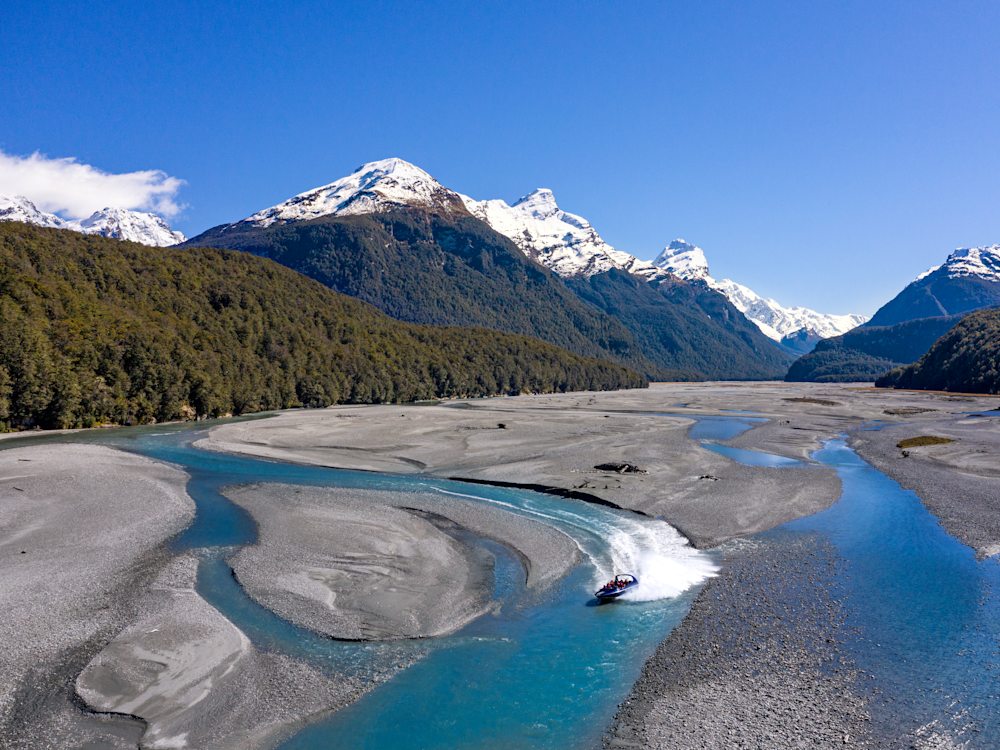
There’s a moment, just outside Queenstown, when Lake Wakatipu opens beside the road and the mountains seem to lean in close. Keep traveling south and west, and the landscape deepens again: beech forest, river valleys, high passes, and the rain-polished cliffs of Fiordland. This part of New Zealand is not a place you simply look at. It is a place you feel under your boots, in the cool air on your face, and in the quiet after a day well spent.
So when is the best time to visit Queenstown and Fiordland? The honest answer is: it depends on the kind of adventure you want. For most hikers and nature-loving travelers, the best window is November through April, when daylight is generous, many alpine trails are more accessible, and Fiordland’s Great Walks are in their main season. But each season brings its own gift, and choosing well can make your trip feel more personal, more comfortable, and more your own.
The short answer: November to April is best for hiking and Fiordland adventure
The best time to visit Queenstown and Fiordland for hiking and outdoor adventure is November through April. February to April is especially strong if you want warm conditions, open trails, fall color, and a little more breathing room after the busiest summer weeks.
Choose December to February for long days, lake time, and the full summer buzz around Queenstown. Choose March and April for crisp mornings, golden hillsides, and some of the most rewarding walking conditions of the year. Choose October and November if you love spring energy, fresh green valleys, big waterfalls, and quieter tracks. Fiordland is one of New Zealand’s wettest regions, so rather than planning around “no rain,” plan around good layers, flexible logistics, and a guide team that knows how to read the day.
For North American travelers, it helps to flip the calendar in your mind: New Zealand’s summer is December to February, fall is March to May, winter is June to August, and spring is September to November.
Summer in Queenstown and Fiordland: long days, open trails, and big adventure
Summer is the classic time to visit Queenstown and Fiordland if you want long daylight hours and the broadest choice of hiking, biking, kayaking, cruising, and lake-based activities. Queenstown has a lively, outdoorsy feel in December, January, and February. Cafes spill toward the lakefront, the evening light lingers, and the mountains invite you out early and keep you there late.
In Fiordland, summer brings warmer days and fuller access to famous walking routes such as the Milford, Routeburn, and Kepler Tracks. It is also the busiest time of year, especially around Christmas, New Year, and school vacations, so this is the season to plan ahead. Accommodation, cruises, guided walks, and popular activity times can book up well in advance.
What is the weather like in summer?
Queenstown summer days are generally mild to warm rather than tropical, with cool mornings possible in the mountains. Fiordland is cooler and wetter, and rain can arrive even when Queenstown is bright and blue. That rain is part of what makes Milford Sound and Doubtful Sound so alive: cliffs shine, rainforest glows, and temporary waterfalls appear where dry rock stood the day before.
Who does summer suit best?
Summer suits travelers who want maximum activity choice, sociable energy, and long days outside. It is a good fit if you are comfortable sharing the most famous places with other travelers and you are happy to book early for the dates and room types you prefer.
What should you pack?
Pack light hiking layers, a warm fleece or insulated jacket, waterproof rain gear, sun protection, insect repellent for Fiordland sandflies, and broken-in hiking shoes or boots. Even in summer, bring clothing that can handle cool wind, wet forest, and alpine changes.
Fall (or Autumn as the locals call it!) in Queenstown and Fiordland: golden trails, calmer days, and guide-favorite conditions
Fall may be the sweetest answer for many Active Adventures guests. March and April often bring a lovely balance: the warmth of summer lingers, the busiest travel period begins to ease, and the hills around Queenstown, Arrowtown, and Lake Wakatipu turn gold. The air feels clearer. The trails feel a little quieter. Lunch stops seem to stretch out in the soft light.
For hiking, fall is a strong season because many major tracks are still in their main walking window and temperatures are often comfortable for steady days on foot. In Fiordland, the weather still asks for respect, but fall can reward you with moody forest, strong waterfalls, and fewer people at key viewpoints.
Is fall the best time for hiking?
For many walkers, yes. March and April are excellent months for hiking around Queenstown and Fiordland because the days are still long enough for full adventures, the heat of high summer has softened, and the Great Walks season continues into late April. If your dream is to walk scenic sections of the Milford, Routeburn, or Kepler Tracks and still enjoy comfortable accommodation each night, fall is hard to beat.
How hard are the walks?
The terrain varies from lakeside paths and forest tracks to rocky, uneven alpine sections with steady climbs and descents. Active Adventures’ Queenstown and Fiordland trips generally suit travellers with good mobility and a reasonable level of fitness who enjoy active days but appreciate guide support, well-paced logistics, and comfortable places to land each evening.
Who does fall suit best?
Fall suits travelers who value photography, quieter trails, comfortable walking temperatures, and a slightly more relaxed pace. It is especially appealing for couples, solo travelers, and small groups who want the big South Island landscapes without the full summer rush.
Spring in Queenstown and Fiordland: waterfalls, wildflowers, and changing weather
Spring is full of movement. Snow still rests on the tops, valleys brighten, lambs dot the paddocks, and Fiordland’s waterfalls often run strong with rain and snowmelt. Around Queenstown, spring can feel like several seasons in one day: a crisp morning by the lake, a warm burst of sun on the trail, then a cool wind reminding you where you are.
October and November are particularly useful months for travelers who want fewer crowds and a sense of freshness. Some higher routes can still hold snow early in the season, so flexibility matters. By November, many walking experiences feel more settled, though conditions can still change quickly in the mountains.
Is spring a good time to visit Milford Sound?
Yes, especially if you come prepared for rain and changing conditions. Spring can be spectacular in Milford Sound and Doubtful Sound because waterfalls are often powerful, rainforest feels richly alive, and snow on the peaks adds contrast to the fiords. It is not the driest season, but it can be one of the most dramatic.
What should you pack for spring?
Bring layers you can add and remove easily: a moisture-wicking base layer, warm mid-layer, waterproof jacket, waterproof over-trousers if you have them, gloves or a beanie for cold starts, and sun protection for clear spells. In spring, packing well is not about packing heavily. It is about having the right layer at the right moment.
Who does spring suit best?
Spring suits travelers who enjoy fresh landscapes, don’t mind a little unpredictability, and prefer quieter trails over the most settled weather. It is a good season for those who like the feeling of being out just as the land wakes up.
Winter in Queenstown and Fiordland: snow, quiet fiords, and a different kind of trip
Winter changes the question. Queenstown becomes a snow-season hub, with ski fields, cozy evenings, and a crisp alpine feel. It can be a beautiful time to visit if your main goal is skiing, scenic drives, food, wine, and snowy mountain views.
Fiordland in winter is quieter and often deeply atmospheric, but it is not the main season for multi-day hiking. Snow, ice, avalanche risk, short daylight hours, reduced facilities, and road conditions can all affect plans. Milford Sound cruises may operate when conditions allow, and the fiord can be stunning under low cloud and fresh snow, but winter is best approached as a scenic, weather-aware journey rather than a broad hiking season.
Can you hike in winter?
Some lower-level walks may be possible with the right forecast, gear, and experience, but alpine tracks and Great Walk routes require serious caution outside the main season. If you are traveling in winter, build your plans around Queenstown’s snow activities, short walks, scenic experiences, and flexible days rather than committing to exposed backcountry hiking.
Who does winter suit best?
Winter suits travelers who want snow scenery, quieter fiord experiences, a snow-sport energy, and a cozier style of trip. It is less suitable if your main dream is hiking the classic Fiordland tracks in warm conditions.
How to choose your dates, pack well, and decide between guided or independent travel
The best season is the one that matches your travel style. If you want long days to fill the widest range of hiking and adventure activity options, choose summer. If you want comfort, beauty, and calmer trails, choose March or April. If you want fresh landscapes and waterfalls, choose late spring. If you want skiing and snowy views, choose winter and treat Fiordland as a flexible scenic add-on.
Where should you stay?
Queenstown is the natural start and finish point for many South Island adventures, with easy access to Lake Wakatipu, Glenorchy, the Routeburn area, wineries, bike trails, and onward journeys to Te Anau and Fiordland. Te Anau is the main gateway town for many Fiordland walks and Milford Sound journeys. On a guided Active Adventures trip, accommodation is part of the experience: you can stay in hand-picked places that fit the landscape, from welcoming lodges and retreats to the rare quiet of an overnight cruise on Doubtful Sound. On the Ultimate Fiordland & Queenstown Adventure, our guests are in for a special stay at the beautifully located Kinloch Wilderness Retreat, the perfect place to recharge in the pristine landscape.
Guided vs independent: which is better?
Independent travel gives you a degree of freedom, but in Queenstown and Fiordland it also asks you to manage weather calls, transport, bookings, gear, route timing, and backup plans. Guided travel is especially valuable if you want to spend less time solving logistics and more time being present. With local guides, small-group support, included transport, many meals, and thoughtfully chosen accommodation, you can relax into the day knowing someone has already checked the forecast, planned the timing, packed the snacks, and found the best place to pause for the view.
What activity level should you expect?
Expect active days on varied terrain: forest tracks, lake edges, swing bridges, uneven rock, boardwalk, alpine viewpoints, and occasional wet or muddy sections. You do not need to be an elite athlete, but you should enjoy walking, be comfortable on your feet for several hours, and prepare with regular hikes or hill walks before you travel.
What should be in your daypack?
A good daypack for Queenstown and Fiordland should include a waterproof jacket, warm layer, water, snacks, sunhat, sunscreen, sunglasses, insect repellent, any personal medication, and a dry bag or pack liner. Your guides will help with the day’s details, but arriving with trusted footwear and sensible layers makes every walk more enjoyable.
FAQs we are often asked about visiting Queenstown and Fiordland
What is the best month to visit Queenstown and Fiordland?
March is one of the best all-round months because the weather is often comfortable for hiking, the summer warmth lingers, fall color begins, and crowds are usually lighter than peak summer. December through February are also excellent, depending on whether you prefer warmer day, and less of a colder shoulder-season feel.
When is the best time to hike in Fiordland?
The main hiking season in Fiordland runs from late October or November through April, with many Great Walk facilities operating during this warmer part of the year. December to February brings the warmest conditions, while March and April are often especially rewarding for quieter trails and comfortable walking.
Is Milford Sound better in summer or winter?
Summer is better if you want warmer weather, longer days, and the widest range of activities. Winter can be beautiful and quieter, with snow on the peaks and moody fiord scenery, but road and weather conditions can be more limiting. For a first visit focused on hiking and outdoor adventure, summer or fall is usually the better choice.
How much does it rain in Fiordland?
Fiordland is famously wet, and that is part of what makes it so lush. Milford Sound receives around seven metres of rain per year on average, and rain can fall in any season. Bring good waterproof gear and treat waterfalls, mist, and rainforest as part of the experience.
Should I visit Queenstown and Fiordland independently or on a guided trip?
Choose a guided trip if you want local knowledge, seamless logistics, small-group company, hand-picked accommodation, and the reassurance of guides who know how to adapt the day when mountain weather changes. Go independently if you enjoy planning every detail and are comfortable managing weather, bookings, transport, and route decisions.
Let the season shape the story, not limit it
Queenstown and Fiordland do not offer just one perfect month. They offer different kinds of wonder. Summer gives you long, generous days. Fall brings gold light and quieter trails. Spring sends waterfalls down the cliffs and fresh life through the valleys. Winter wraps the mountains in snow and brings snowsports energy.
The best time to visit is the season that suits what outdoor activities you'd like to do. And when you travel with guides who know these places as home, you do not need to have every detail figured out before you arrive. You just need curiosity, comfortable boots, and a willingness to step into whatever the day brings. We’ll help with the rest.
We'll show you the best of this stunning corner of New Zealand on our Ultimate Fiordland & Queenstown Adventure which has departure dates in the heart of the balmy summer and into the spectacular fall.
Written by Nicole McLean, (who lives in Queenstown) part of the Active Adventures team, drawing on the company’s New Zealand roots and 30+ years of experience guiding travelers through wild, beautiful places.