New Zealand’s West Coast feels completely different from the rest of the country.
The mountains are rise quickly. The rainforest is thicker. The beaches are wilder. And the weather? Well, let’s just say it plays by its own rules.
Stretching between the Southern Alps and the Tasman Sea, this rugged corner of the South Island is home to glaciers, ancient forests, turquoise rivers, and some of New Zealand’s most dramatic coastal scenery. It’s the kind of place where you might start your day walking through rainforest and finish it watching the sun dip into the ocean.
If you’re planning a trip to New Zealand’s West Coast, here’s what to expect, where to go, what to pack, and a few lessons we’ve learned over the years. Most importantly: don’t forget the bug spray.
Why Visit New Zealand’s West Coast?
The West Coast isn’t about ticking off landmarks in a hurry. It’s about slowing down and immersing yourself in landscapes that seem almost untouched by time.
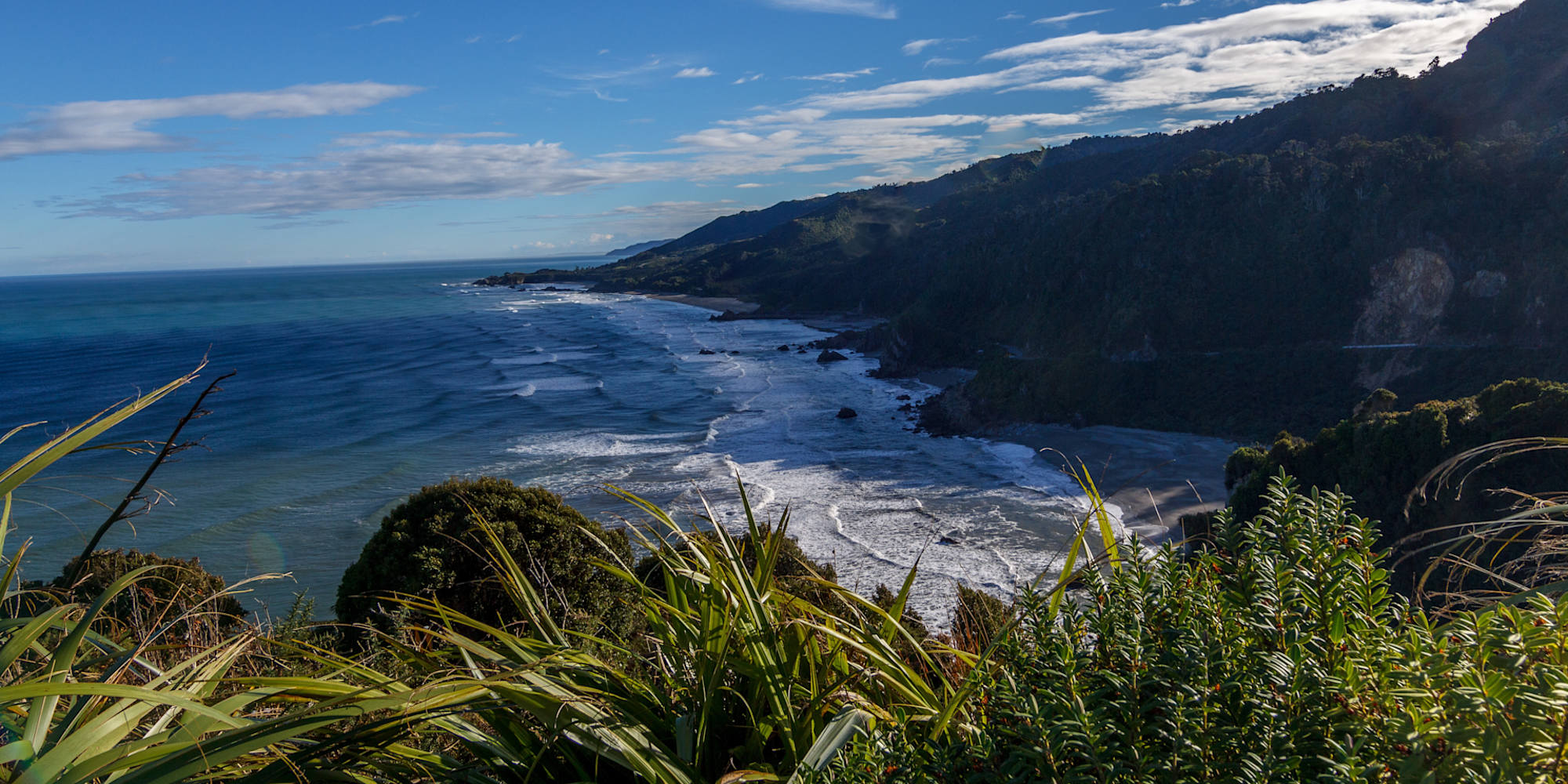
One moment, you’re wandering through lush rainforest dripping with moss and ferns. The next, you’re standing on a windswept beach watching waves crash against towering sea stacks. Around every bend, the scenery feels bigger, wilder, and more dramatic than the last.
For many travelers, the West Coast offers something increasingly rare: space. Space to breathe, explore, and reconnect with nature.
Where Is the West Coast?
New Zealand’s West Coast stretches along the western side of the South Island, from the region near Kahurangi National Park in the north to glacier country in the south.
Northern West Coast
Known for rugged coastline, historic towns, and natural attractions such as Punakaiki’s Pancake Rocks.
Central West Coast
Home to Hokitika, a relaxed seaside town and a useful base for exploring nearby rivers, forest, and coastline.
Southern West Coast
Where you’ll find Franz Josef and Fox glacier country, framed by the Southern Alps and temperate rainforest.
What Makes the West Coast So Special?
Ancient Rainforests
The West Coast receives plenty of rain, and that’s great news for nature lovers.
Dense temperate rainforest blankets the landscape. Towering trees, giant ferns, native birds, and clear streams create an environment that can feel more prehistoric than modern. Walking beneath the canopy, you’ll quickly understand why visitors describe the region as magical.
Glaciers Near the Rainforest
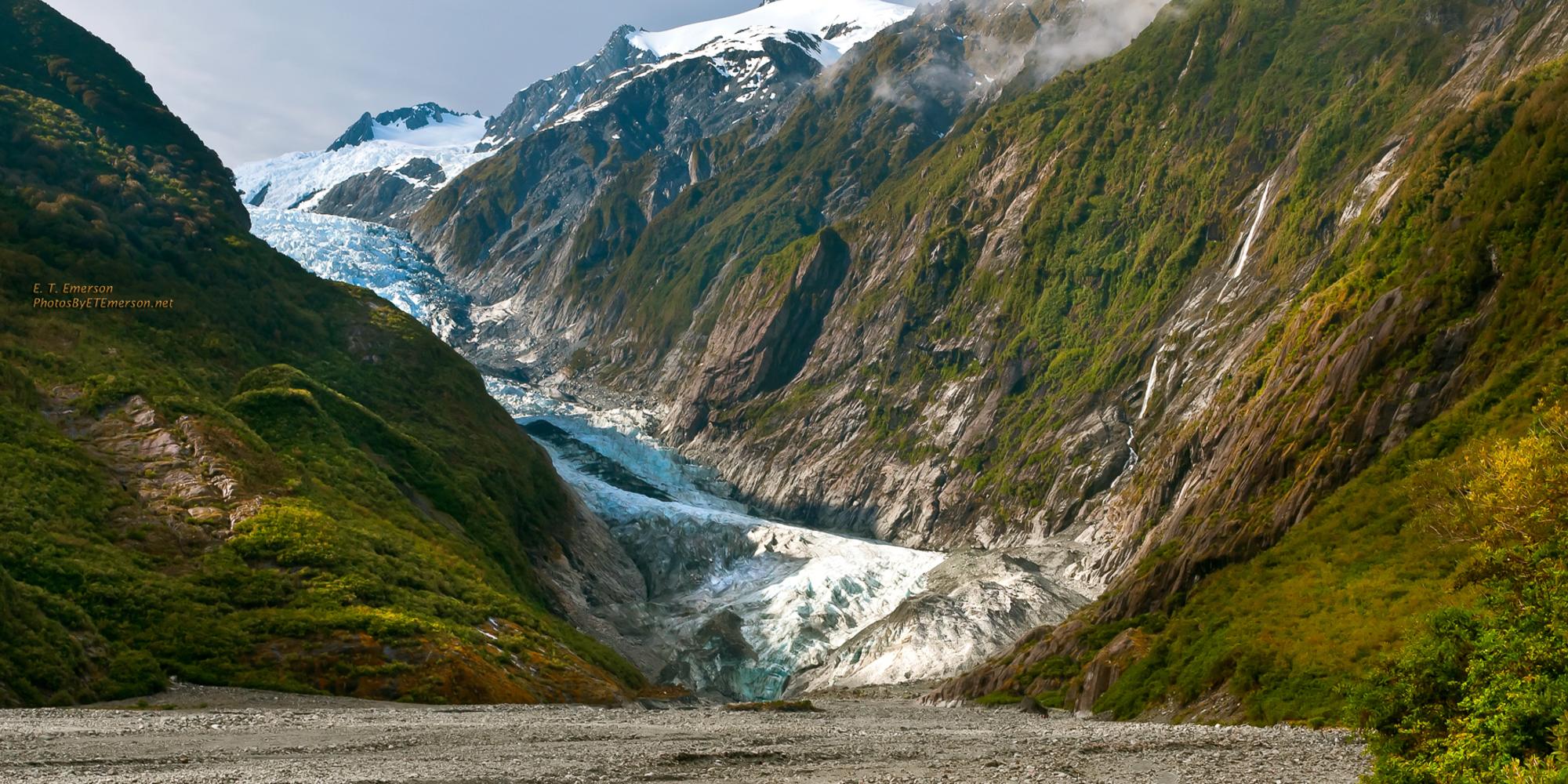
Franz Josef and Fox glaciers descend from the Southern Alps toward lush rainforest, creating an extraordinary contrast of ice, forest, and mountains. Access and activities depend on current conditions, so check local information before you travel.
Dramatic Coastlines
The Tasman Sea shapes much of the West Coast’s character. You’ll find rugged cliffs, dark beaches, hidden coves, and powerful surf. A sunset walk beside the ocean can become one of those quiet travel memories that returns long after you’re home.
Stories Shaped by People and Place
The West Coast holds deep cultural significance and a rich history. Take time to learn from local guides, communities, museums, and heritage sites as you travel. The landscape is spectacular, but the stories help you understand it.
Must-See Places on the West Coast of New Zealand's South Island
Punakaiki and the Pancake Rocks
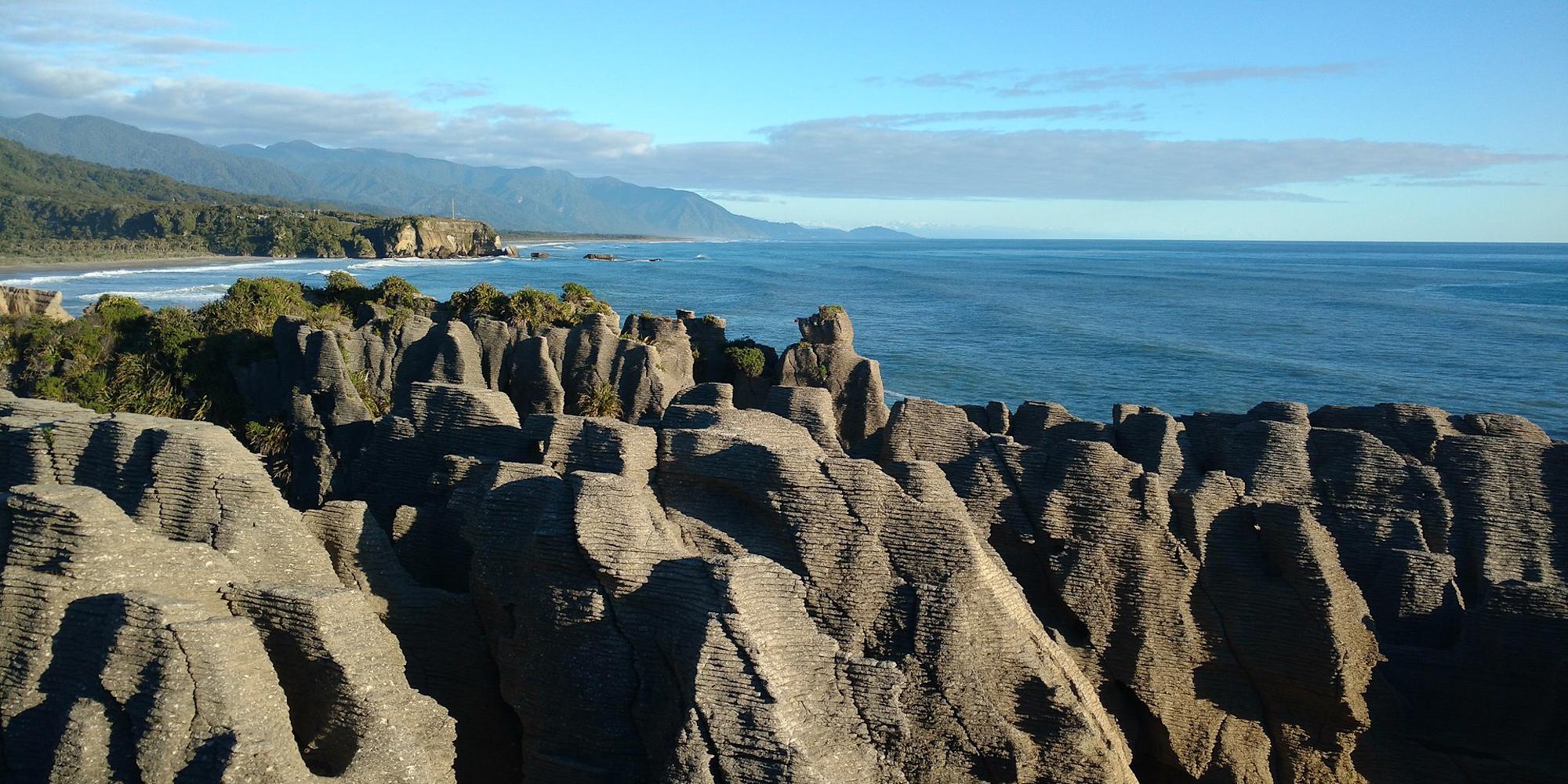
Layered limestone formations line the coast at Punakaiki. Visit around high tide and you may see seawater surge through the blowholes, depending on conditions.
Hokitika Gorge
A short walking track leads through native forest to views of the gorge and its vivid water. Take your time, especially if photography is part of the plan.
Franz Josef Glacier Country
Experience alpine scenery, rainforest walks, and views toward the glacier landscape. Guided activities and scenic flights depend on weather and operating conditions.
Fox Glacier and Lake Matheson
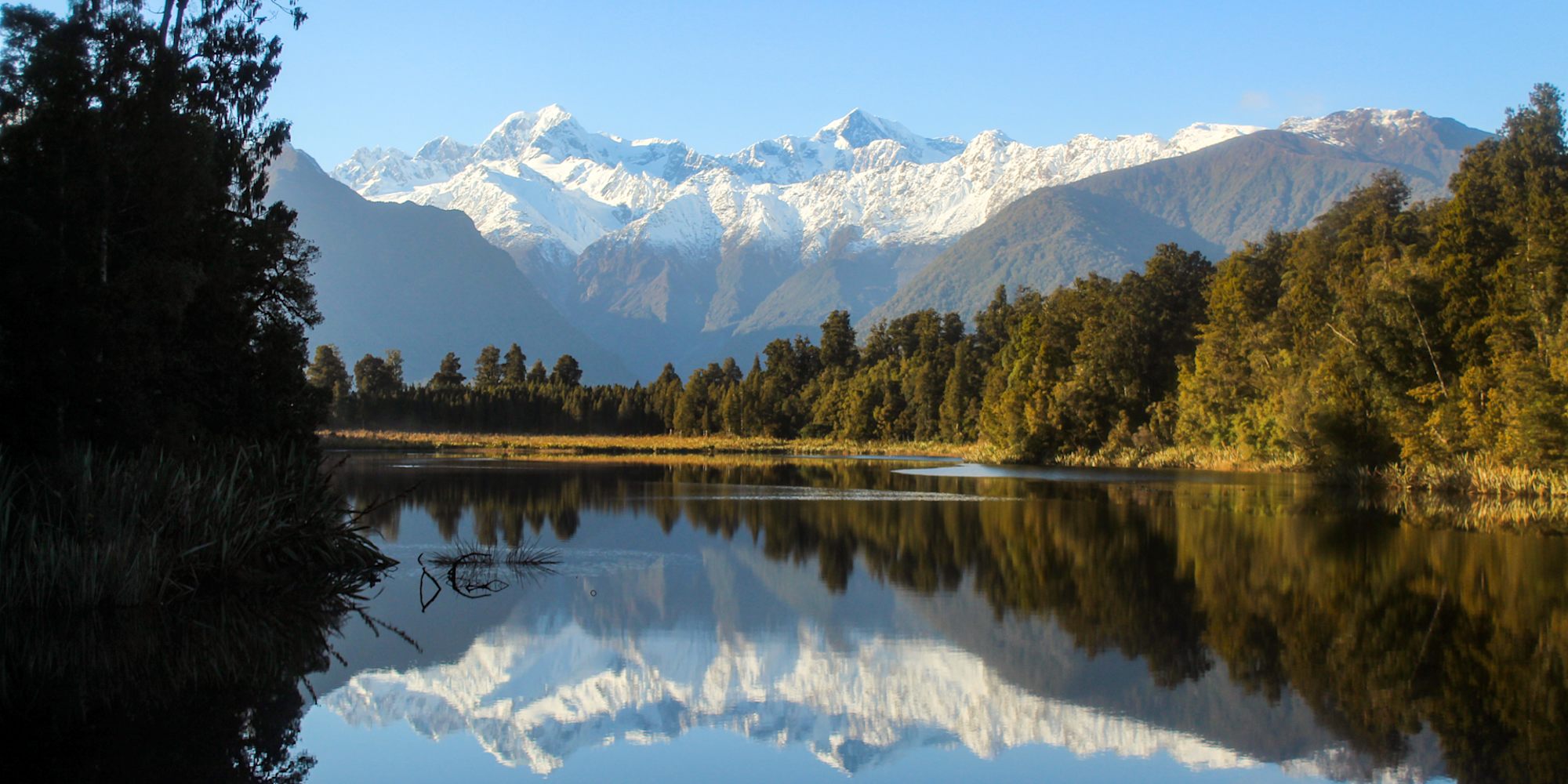
Fox Glacier township offers access to surrounding walks, while Lake Matheson is known for mountain reflections when the water and weather cooperate.
Okarito
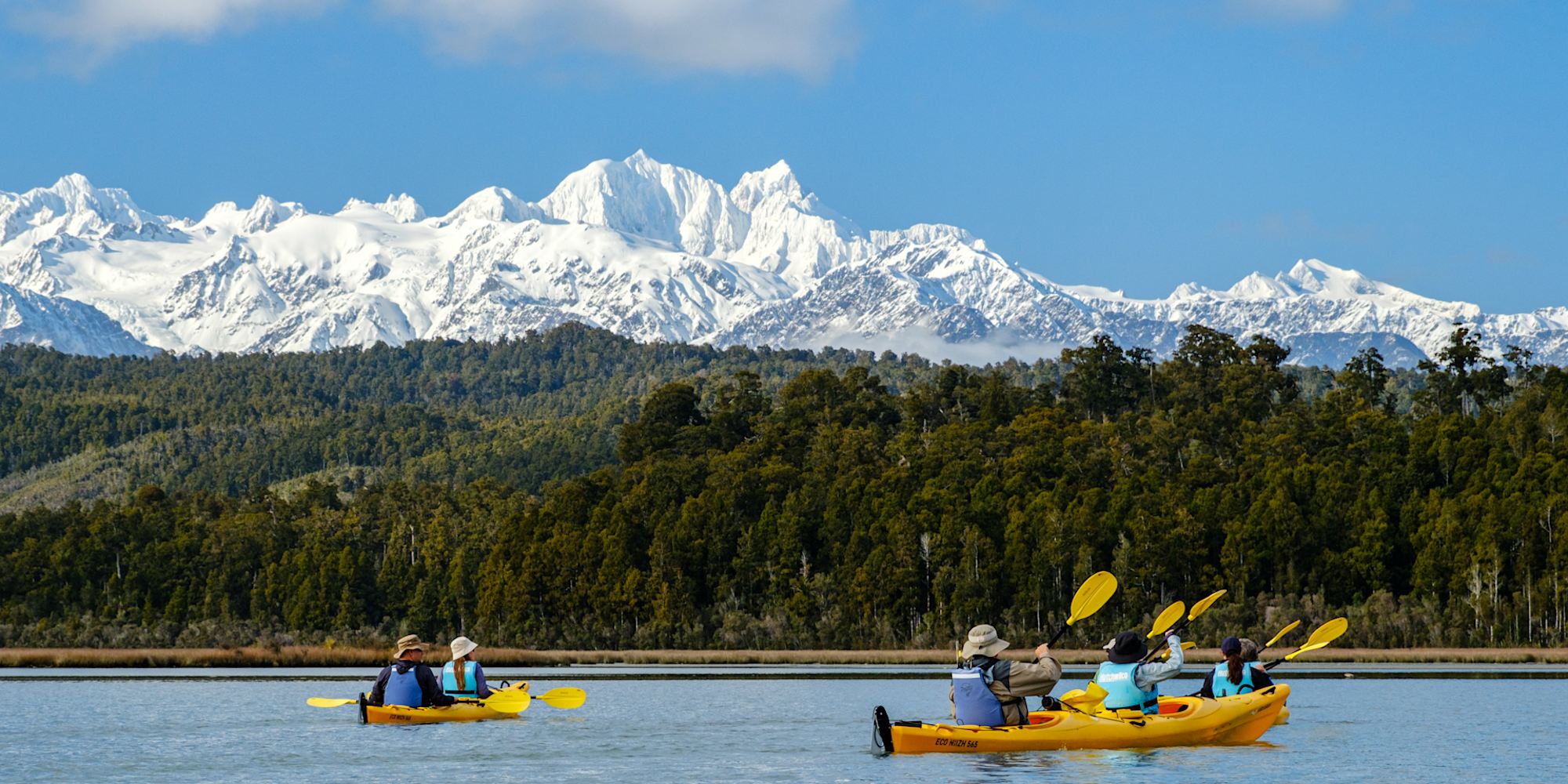
This small coastal settlement is a peaceful base for birdwatching, kayaking, and experiencing wetland, rainforest, and mountain scenery. Okarito Lagoon is home to the white heron (known as "kotuku"). Many Active Adventures trips give you the unique opportunity to kayak on the inky, calm waters with beautiful views of the kotuku colony.
When Is the Best Time to Visit New Zealand’s West Coast?
There’s no single bad time to visit. Each season brings a different mood, from long summer evenings to snow-covered mountain views in winter.
Summer: December Through February
Summer brings longer days and warmer temperatures, making it a popular time for walking, kayaking, and exploring the coast. Book key accommodations and activities ahead. Even in summer, pack waterproof layers. The West Coast has never been particularly interested in following a predictable weather script.
Fall: March Through May
Fall can bring comfortable walking temperatures, fewer visitors, and softer light across the landscape. Days become shorter as the season progresses, so allow plenty of time for drives and walks.
Winter: June Through August
Winter reveals a moodier side of the coast. Snow can settle across the Southern Alps, mornings may be crisp, and some activities can be affected by weather or seasonal schedules.
Spring: September Through November
Spring brings fresh forest growth, energetic waterfalls, and snow lingering on high peaks. Conditions can change quickly, so flexibility is helpful.
Whatever the season, check forecasts, road notices, trail alerts, and activity availability before setting out.
What Should You Pack for the West Coast?
Packing is less about bringing your entire closet and more about choosing adaptable layers.
- Waterproof rain jacket (essential!)
- Quick-drying layers
- Warm fleece or insulated jacket
- Comfortable walking shoes or hiking boots
- Sunscreen and a sun hat
- Insect repellent (definitely essential!)
- Reusable water bottle
- Small daypack
- Waterproof cover or bag for your camera and phone
- Extra pair of dry socks
And yes, insect repellent belongs on that list.
Sandflies can be common around damp forest, lakes, rivers, and sheltered coastal areas. They’re tiny, determined, and apparently unimpressed by how far you traveled to get there. Apply bug spray before stopping beside the water, and cover your ankles and arms when they’re lively.
Don’t let them put you off. The moment you’re watching light settle over Okarito Lagoon or listening to waves beneath a rainforest trail, a few ambitious insects feel like a very small admission fee.
How Much Time Do You Need?
You can see a few highlights in two or three days, but four to five days allows a more relaxed experience. A week or longer gives keen walkers and photographers time to explore beyond the main stops.
Distances can look modest on a map, but scenic turnouts, short walks, and roadside waterfalls have a habit of extending the day. You’ll be glad they did.
The Little Moments You’ll Remember
The famous landscapes may bring you here, but it’s often the smaller moments that stay with you.
It might be the smell of wet forest after a passing shower. The first glimpse of mountains reflected in still water. A hot drink shared after a walk when everyone’s cheeks are pink from the wind.
It might also be discovering that your hiking companion remembered the bug spray when you didn’t. True friendship reveals itself in many ways.
These are the moments that turn a beautiful destination into a personal story. You may arrive thinking about glaciers, coastlines, and photographs. You’ll probably leave remembering laughter on the trail, muddy boots by the door, and the feeling of being completely present in a wild corner of the world.
Travel the West Coast With Active Adventures
If you’d rather spend your time walking, kayaking, and taking in the scenery than working out the logistics, these Active Adventures trips currently feature West Coast experiences.
South Island Coast & Trails Walking Adventure
This 10-day guided walking adventure includes Punakaiki, West Coast rainforest, Okarito Lagoon, and Franz Josef glacier country.
Explore the South Island Coast & Trails Walking Adventure
Ultimate South Island Adventure
This 14-day signature South Island trip includes West Coast rainforest and coastal hiking, Franz Josef glacier country, Aoraki/Mount Cook National Park, Queenstown, and Fiordland.
Explore the Ultimate South Island Adventure
South Island Scenic Hiking Adventure
This 10-day adventure includes Punakaiki, Okarito Lagoon, Franz Josef glacier country, and the West Coast’s coastal Pack Track.
Explore the South Island Scenic Hiking Adventure
Written by Nicole McLean, who is part of the Active Adventures team drawing on the company’s 30+ years of experience guiding travelers through wild, beautiful places.