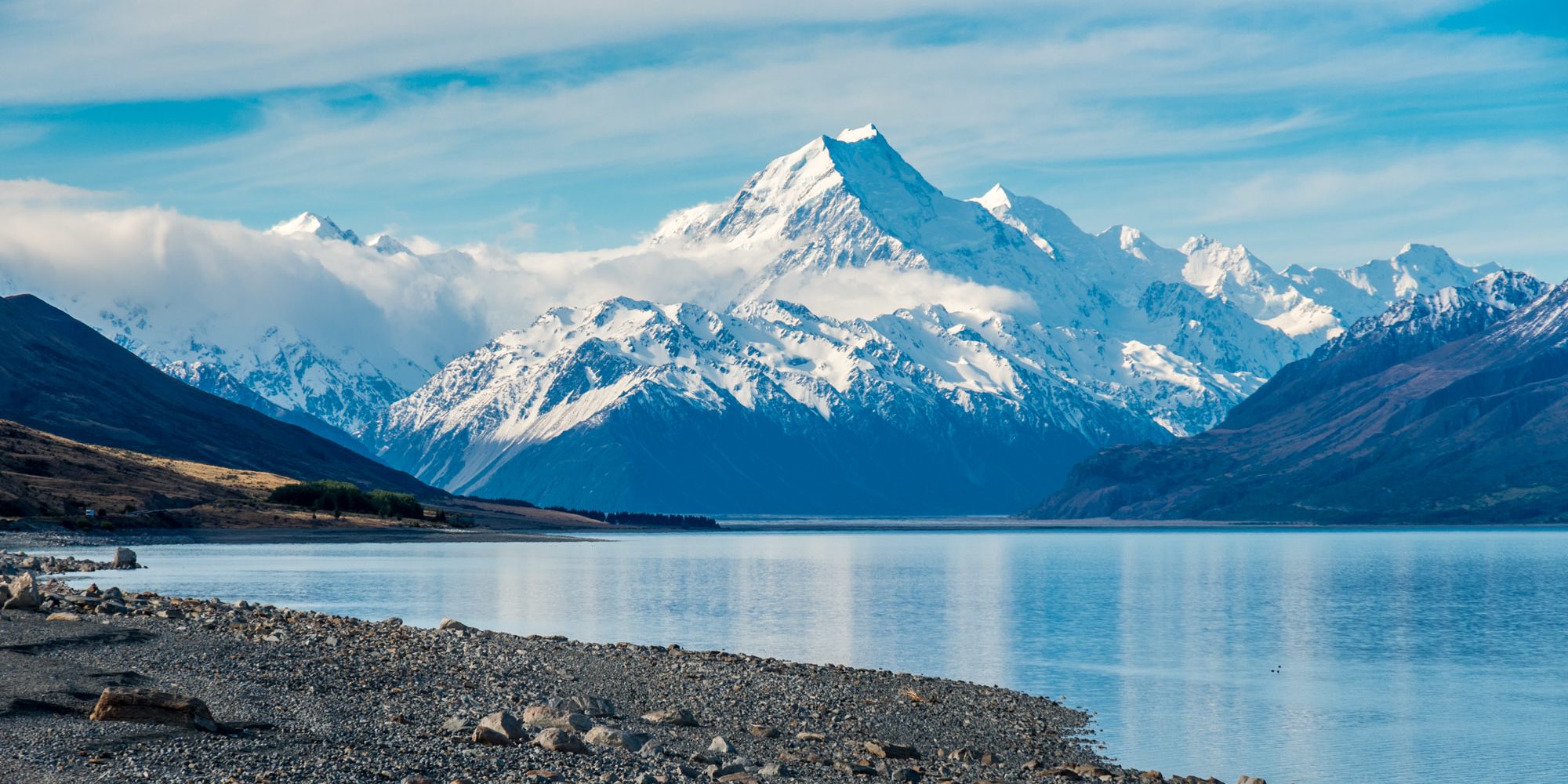
The first light catches the upper slopes before it reaches the valley. New Zealand's tallest mountain, Aoraki / Mount Cook appears above the tussock, bright with snow, while the Hooker River moves cold and gray below. It is one of those mornings that makes you walk a little more slowly, partly to take it all in and partly because every few steps reveal another view worth keeping.
Most travelers ask for the best month to visit Aoraki / Mount Cook National Park. We think there is a more useful question: which version of Aoraki do you want to meet?
In summer, you have long daylight hours for walking and a lively atmosphere on the best-known tracks. In fall, the air can feel crisp and the landscape takes on warm, golden tones. Winter brings snow, stillness, and a more serious alpine edge. Spring feels fresh and changeable, with new growth in the valleys and winter often lingering higher up.
There is no season that guarantees a clear view of the summit. Mountain weather does not read travel itineraries. The best plan is to choose the season that suits your activity level, pack for change, and give yourself enough time for the landscape to reveal itself.
What Makes Aoraki / Mount Cook Worth More Than a Day Trip?
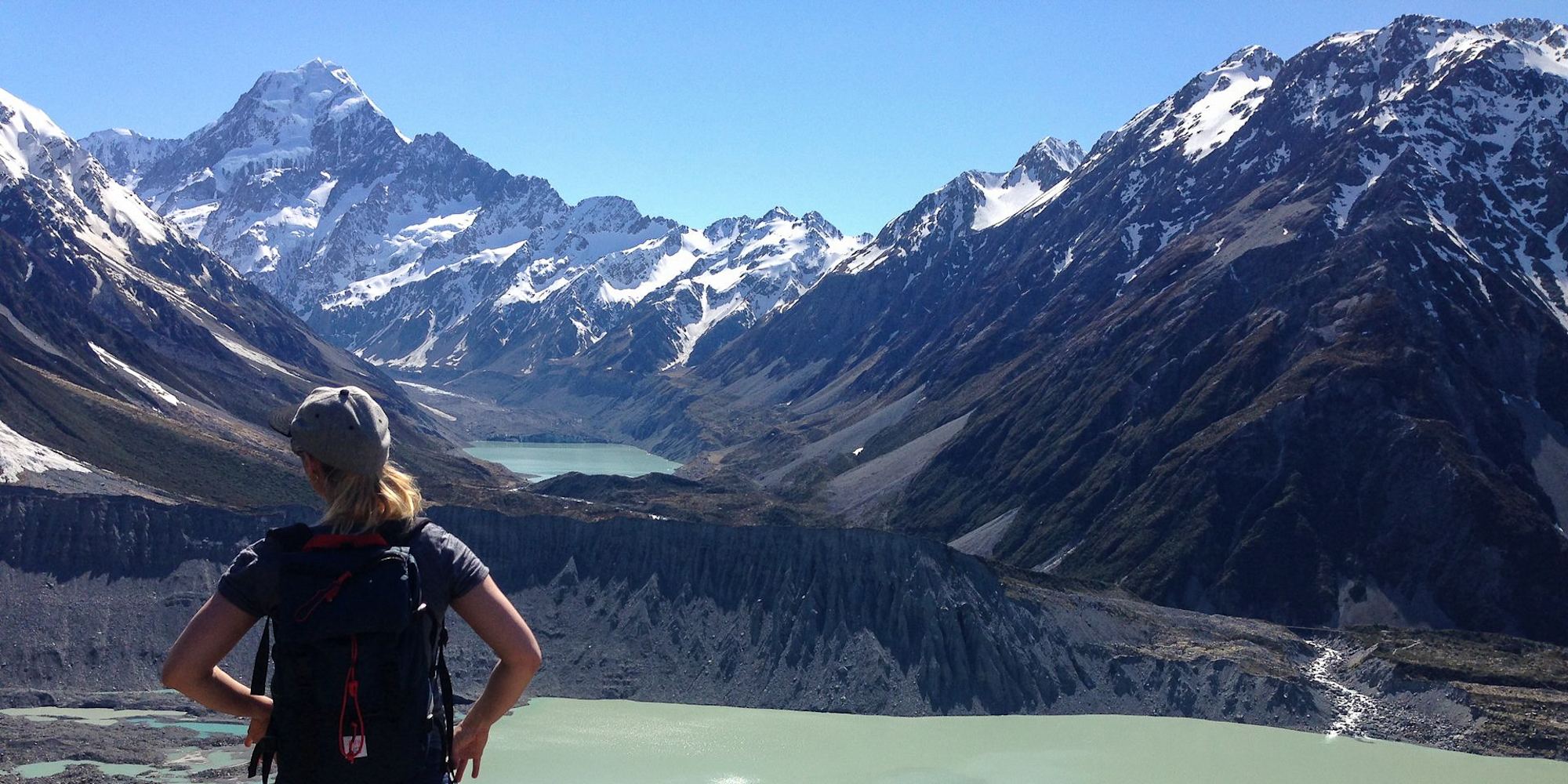
Aoraki / Mount Cook National Park is New Zealand’s great alpine park. It is a landscape of high peaks, immense glaciers, braided rivers, rocky moraine, and wide valleys shaped by ice. The park forms part of the Te Wāhipounamu South West New Zealand World Heritage Area, and Aoraki is New Zealand’s highest mountain.
You do not need mountaineering experience to feel close to this landscape. Walks from the village and nearby valleys range from short viewpoints to demanding alpine routes. The Hooker Valley Track leads through a glacial valley toward Hooker Lake. Kea Point gives a shorter option with mountain and glacier views. The Tasman Valley opens a different perspective across the country’s largest glacier system.
The mistake is trying to squeeze all of this into a rushed stop between Queenstown and Christchurch. Cloud can hide the highest peaks for hours, then lift just as the evening light arrives. Staying at least one night gives you a morning and an evening in the park. Two nights create breathing room for weather, an unhurried walk, and stargazing if the sky clears.
How Many Days Should You Spend Here?
One night works if your goal is a signature day walk and a taste of the alpine setting. Two nights suit most active travelers better. You can choose your walk around the best weather window, spend time at the visitor center, and enjoy the village after the day visitors leave. A longer stay makes sense if you are planning a guided glacier activity, a challenging hike, or simply want the freedom to slow down.
When Is the Best Time for Hiking?
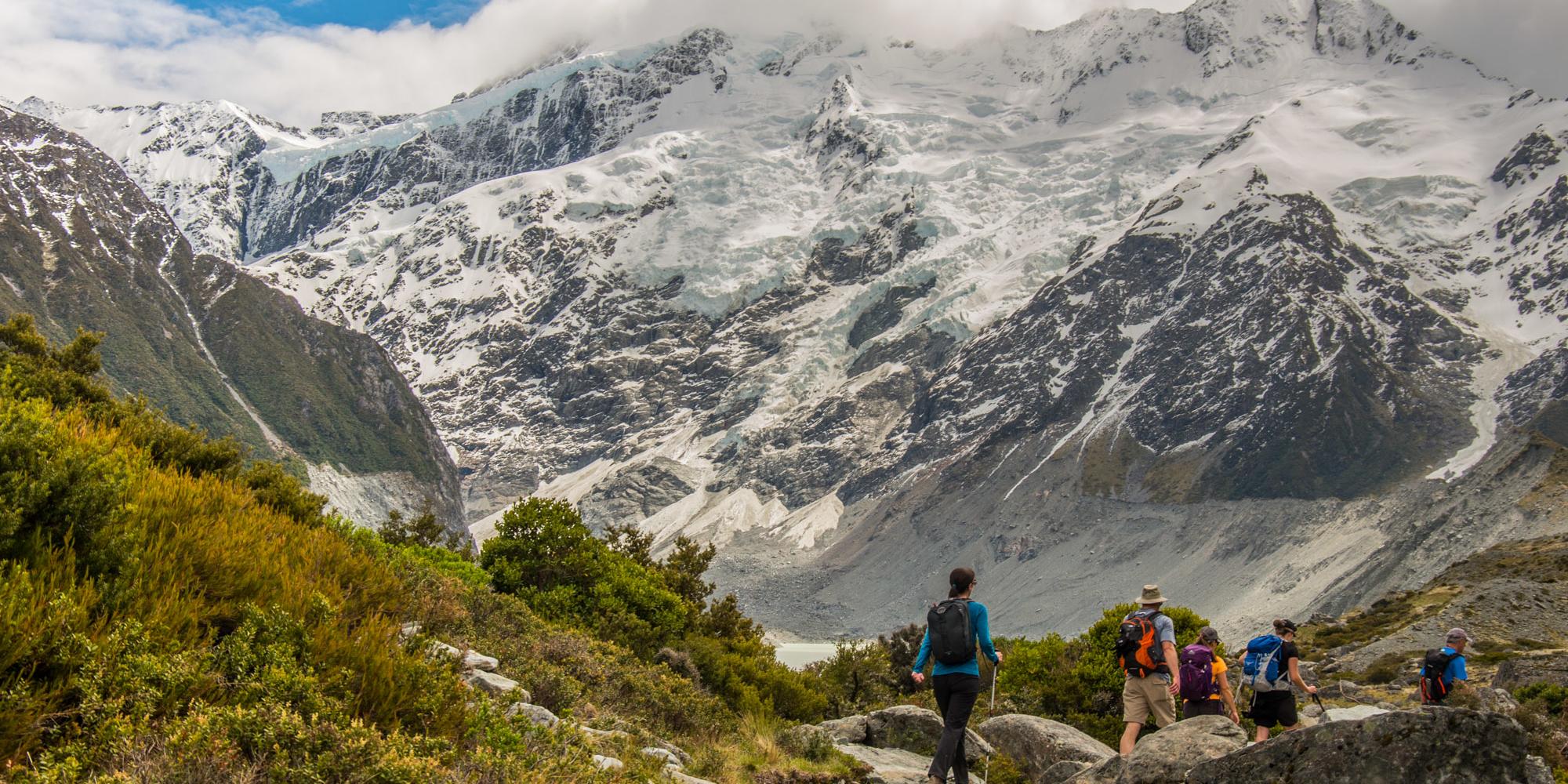
For most walkers, October through April is the most practical hiking window. Spring and summer, from October to April, is the best time to explore the park’s walking tracks. December through February is also the busiest period on the Hooker Valley Track, so an early start is well worth the alarm.
Hooker Valley Track: The Classic Choice
The Hooker Valley Track is a 10 kilometer return walk and is graded easy to intermediate, with a walking time of about three hours. Its appeal lies in the steady unfolding of the landscape. You cross open valley floor, move above glacial water, and look toward Aoraki / Mount Cook as the mountains draw closer.
The track is achievable for many active travelers, but easy to intermediate does not mean effortless for everyone. Wind, cold, sun, crowds, and changing surfaces all shape the day. Allow time for photographs, snacks, and those quiet pauses when everyone stops talking because the view has done the job for you.
Kea Point: A Shorter Walk With a Big Outlook
Kea Point is a useful option when time, weather, or energy calls for a shorter outing. It is rated easy to intermediate and takes about two hours return from the village, or around one hour from the campground. It is also a good second walk if you have already explored the Hooker Valley.
Sealy Tarns: For Stronger Legs
Sealy Tarns is a steeper proposition. The route climbs a long staircase to elevated views over the Hooker Valley and surrounding peaks. It's a three to four hour return walk and you should always check for avalanche danger before setting off. If you enjoy sustained climbing and are comfortable descending many steps, the reward is a wonderful sense of height without committing to a full alpine route.
What About Mueller Hut?
Mueller Hut is a much more serious objective than the valley walks. It requires fitness, preparation, suitable conditions, and experience appropriate to the season. Treat it as an alpine undertaking, not simply the next rung above Sealy Tarns. Check current conditions with the Department of Conservation and use a qualified guide if your skills do not match the terrain.
Our practical pick...
If this is your first visit, choose a two-night stay between late spring and early fall. Plan the Hooker Valley Track for your best forecast window, keep Kea Point as a flexible shorter option, and add Sealy Tarns only if the conditions and your legs agree.
Which Season Shows Aoraki / Mount Cook at its Best?
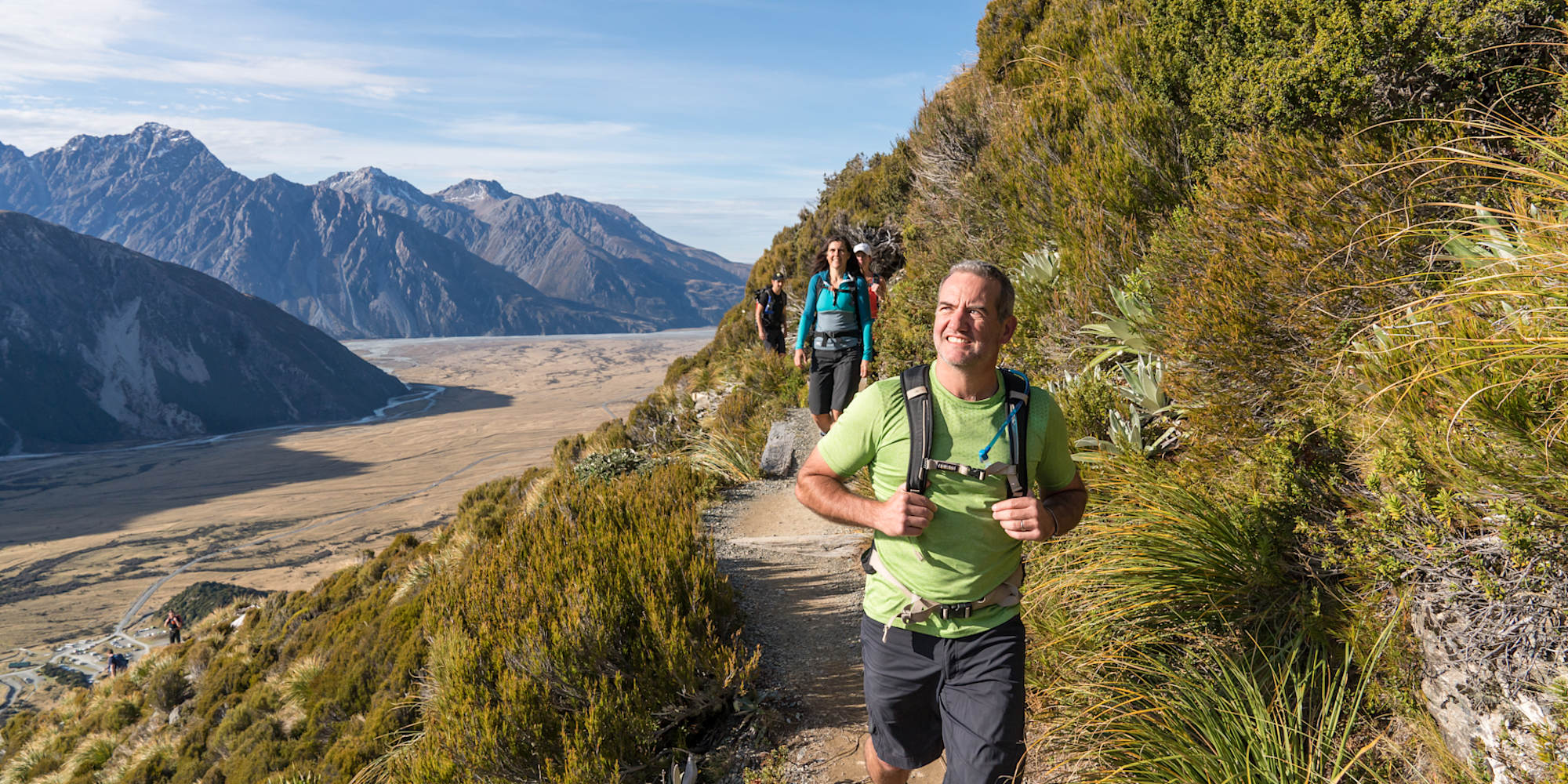
Summer: Long Days and the Fullest Choice
December through February suits travelers who want long daylight hours, the broadest range of visitor services, and plenty of time outdoors. Alpine flowers can add color between December and March, including the iconic Mount Cook Lily. This is also peak season. Accommodation books early, parking can be limited, and the Hooker Valley Track is at its busiest.
Summer is a strong choice for first-time visitors and anyone who values convenience. Start early, carry sun protection, and do not mistake a warm forecast in the village for stable conditions higher up.
Fall: The Quiet Sweet Spot
March and April are especially appealing if you enjoy cooler walking temperatures, softer light, and a little more space. The days are shorter than midsummer, but there is often still enough daylight for the park’s main walks. This is the season for travelers who enjoy a calmer pace and do not mind packing an extra warm layer.
Winter: Snow, Stillness, and Flexibility
June through August can bring a striking winter version of the park. Snow sharpens the mountain profiles, and the village feels quieter. It is beautiful, but it asks more of you. Tracks can be icy or snow-covered, daylight is limited, and alpine routes may involve avalanche hazards. Choose winter for scenery and atmosphere rather than a checklist of hikes. Build in flexibility, seek local advice, and be ready to change plans.
Spring: Bright, Fresh, and Changeable
September through November is a season of contrast. Fresh snow may sit high above the valley while longer days and new growth return below. October marks the beginning of the main walking period, but spring conditions can move quickly between calm and cold. It suits travelers who appreciate energy in the landscape and are happy to make decisions day by day.
When Is the Best Time for Stargazing?
Aoraki / Mount Cook sits within New Zealand’s International Dark Sky Reserve, so the night sky is part of the destination, not an afterthought. Clear, moonless nights give the strongest contrast, but clarity matters more than the month on the calendar. Winter offers longer nights, while summer gives you more daylight for walking. If stargazing is important, stay overnight, keep your evening flexible, and consider a guided astronomy experience.
What Is the Weather Really Like?
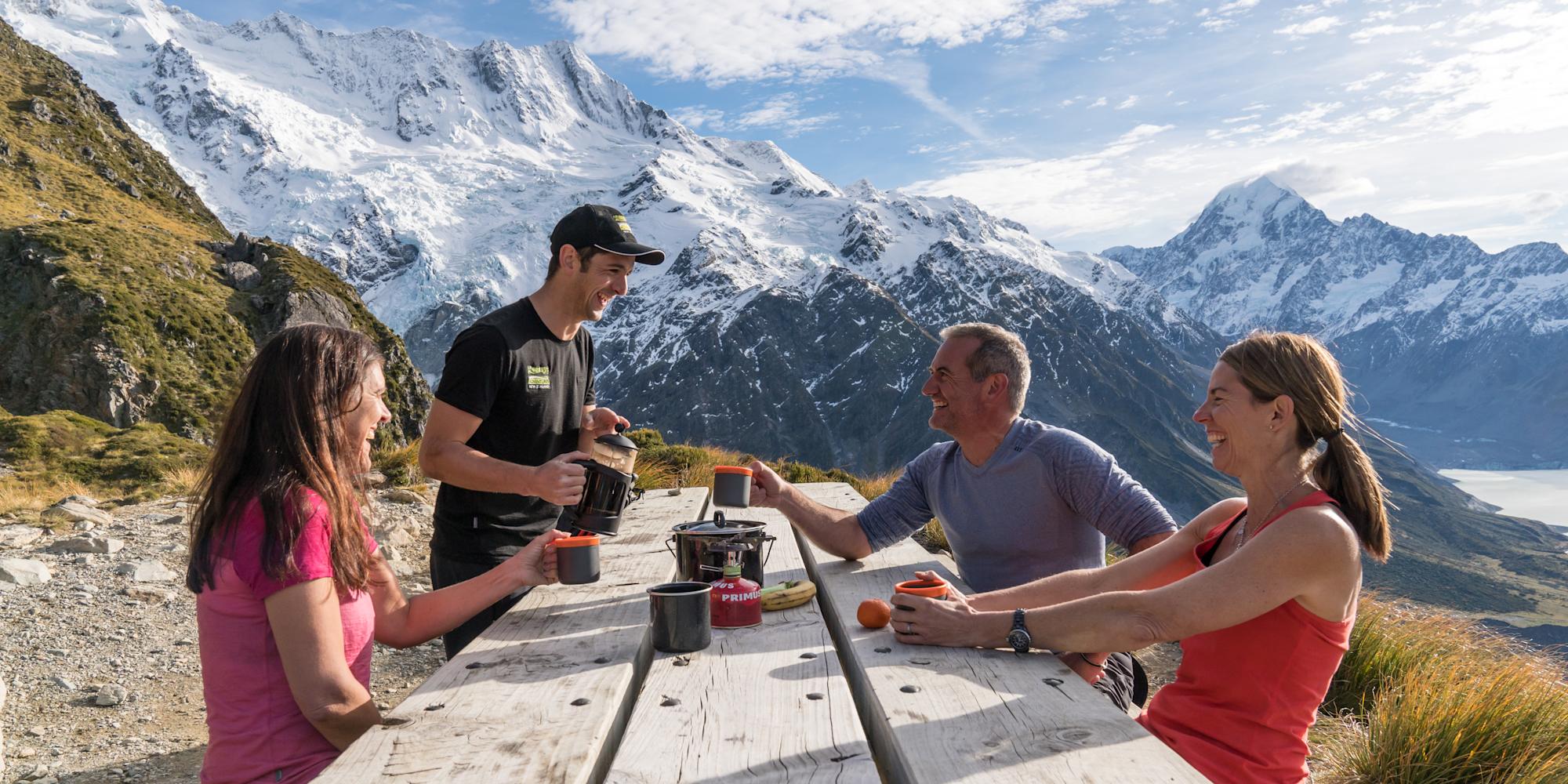
The honest answer is changeable. The Southern Alps create their own weather, and conditions in the village can differ from those on a higher track. Strong sun can become cloud, wind, or rain quickly. A forecast is a planning tool, not a guarantee.
Check the latest weather and track information before setting out. The Department of Conservation visitor center is an excellent first stop for local advice. If conditions turn, changing the plan is good mountain sense, not a missed opportunity.
What Should You Pack?
- Comfortable hiking boots or trail shoes with reliable grip
- A waterproof jacket, even when the morning looks settled
- Warm layers that can be added or removed easily
- A sun hat, sunglasses, and sunscreen
- Water, lunch, and extra snacks
- A small daypack and a waterproof pouch for valuables
- Light gloves and a warm hat outside midsummer
- Trekking poles if you value extra stability on steps or uneven ground
- Cotton takes time to dry and can feel cold once damp, so choose quick-drying layers where possible. Pack for the walk you are doing, then add a little margin for the weather you did not expect.
How Hard Does the Hiking Feel?
Distance is only part of the story. Wind resistance, stairs, uneven gravel, cold, and sun exposure can make a moderate outing feel harder. Be realistic about your usual activity level. If you can walk comfortably for several hours and recover well the next day, the valley tracks may fit naturally. Sealy Tarns demands more sustained climbing, while alpine routes require a different level of judgment and preparation.
Where Should You Stay, and Is a Guided Trip Worth It?
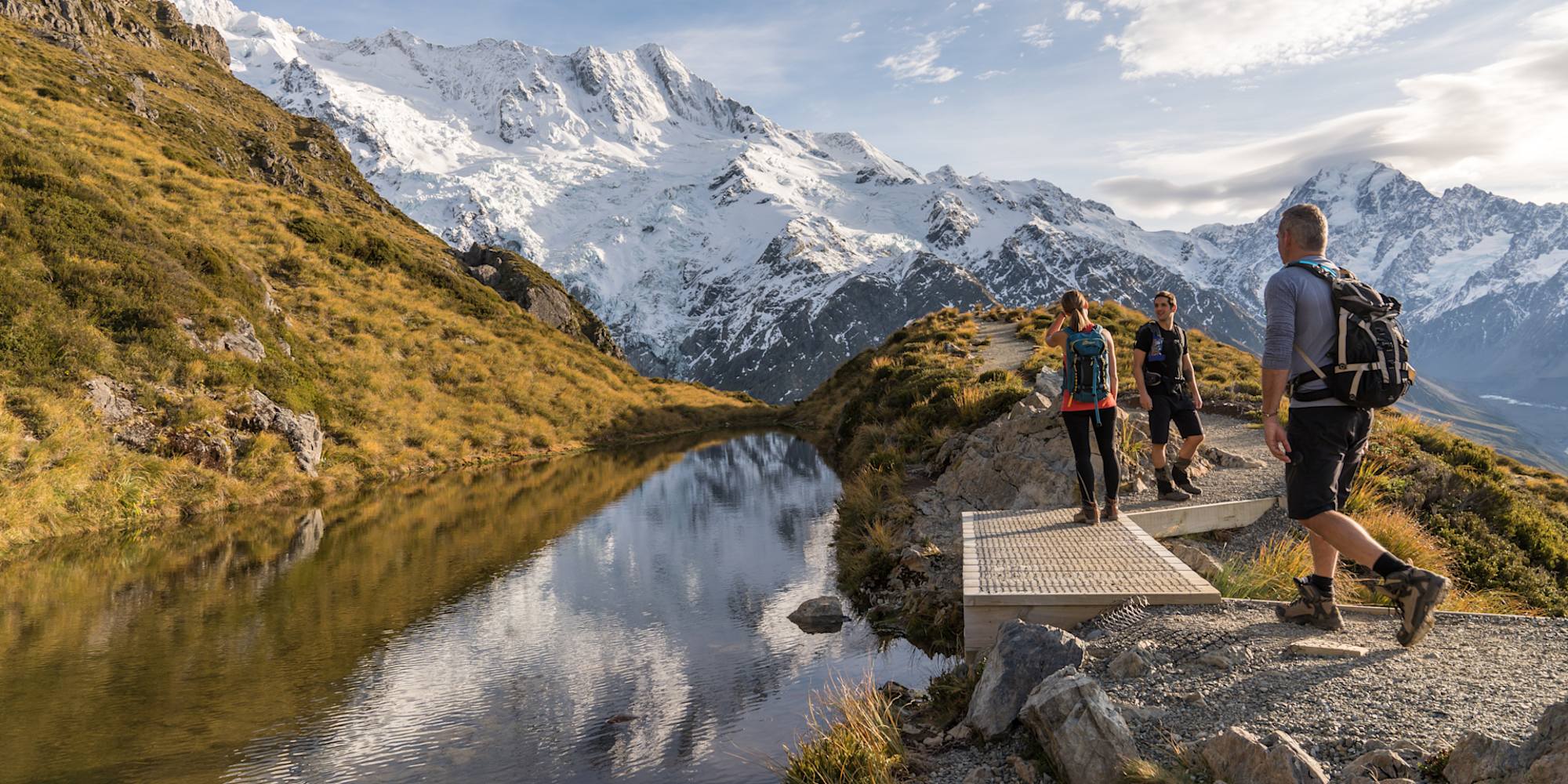
Aoraki / Mount Cook Village is the most convenient base because the landscape begins at the door, and this is where you'll stay on Active Adventures South Island trips. Accommodation ranges from hotel-style rooms to simpler lodging and camping, with availability tightening during peak months. Book early for summer and check dining arrangements, room access, and what is open during quieter seasons.
Twizel and Lake Tekapo provide more accommodation choices, but they turn the park into a drive rather than a walk-outside experience. Staying in the village gives you the best chance to use an early weather window, begin before the busiest part of the day, and step outside after dark.
Guided or Independent?
Independent travel works well for prepared visitors who enjoy making their own decisions and checking conditions. A guided journey adds local interpretation, transport coordination, and the reassurance of someone who knows how weather changes the day. A guide can also help match the walk to the group, set a comfortable pace, and bring meaning to the landscape beyond the viewpoint.
For small groups, the social side matters too. You share the climb, swap snacks at the lookout, and have people beside you when the cloud finally lifts. The logistics feel lighter, but the experience often feels richer.
Who Does This Destination Suit?
- First-time New Zealand visitors who want an iconic alpine landscape
- Active couples and solo travelers who enjoy shared small-group experiences
- Photographers and stargazers willing to work with changing conditions
- Hikers who appreciate a choice of gentle, moderate, and challenging days
- Travelers who value local knowledge and seamless transport between South Island highlights
What Should You Check Is Included?
Trip inclusions vary. Confirm accommodation, breakfasts and dinners, park transport, guided walks, luggage handling, activity fees, and wet-weather alternatives. Active Adventures trips include all of the above, but check tour itineraries for specific details. If a scenic flight, glacier experience, or astronomy tour matters to you, check whether it is included, optional, or weather dependent.
So, When Should You Visit Aoraki / Mount Cook?
Choose summer if you want long days and the widest choice of activities. Choose fall if you prefer cooler walks, softer light, and a quieter feel. Choose winter for snow and stillness, with the understanding that conditions will shape what is possible. Choose spring for fresh energy and a landscape moving between seasons.
For many Active Adventures travelers, March and April offer a particularly satisfying balance. There is time to walk, space to breathe, and every chance of seeing Aoraki with a dusting of fresh snow above golden tussock. Still, the mountain may hide behind cloud. That is part of the place.
Give Aoraki / Mount Cook more than a rushed photo stop. Stay long enough to watch the light change. Let your guide help you read the weather and choose the right trail. When the summit finally appears, you will understand why this landscape stays with people.
How do I explore Aoraki / Mount Cook National Park?
Explore our guided New Zealand South Island adventures that include time to walk beneath Aoraki / Mount Cook, connect with local guides, and experience the park at a pace that leaves room for weather and wonder. Check out these trips to find an adventure to suit you:
- 14-Day Ultimate South Island Adventure
- 8-Day Classic South Island Adventure
- 14-Day New Zealand Walking Adventure
- 14-Day New Zealand South Island Scenic Trails Bike Tour
- 6-Day Alps to Ocean Adventure Bike Tour
Discover the majesty of the Aoraki / Mount Cook and the Southern Alps on a South Island New Zealand guided adventure tour.
Written by: Nicole McLean, who lives in Queenstown, New Zealand, and is part of the Active Adventures team drawing on the company’s 30+ years of experience guiding travelers through wild, beautiful places.