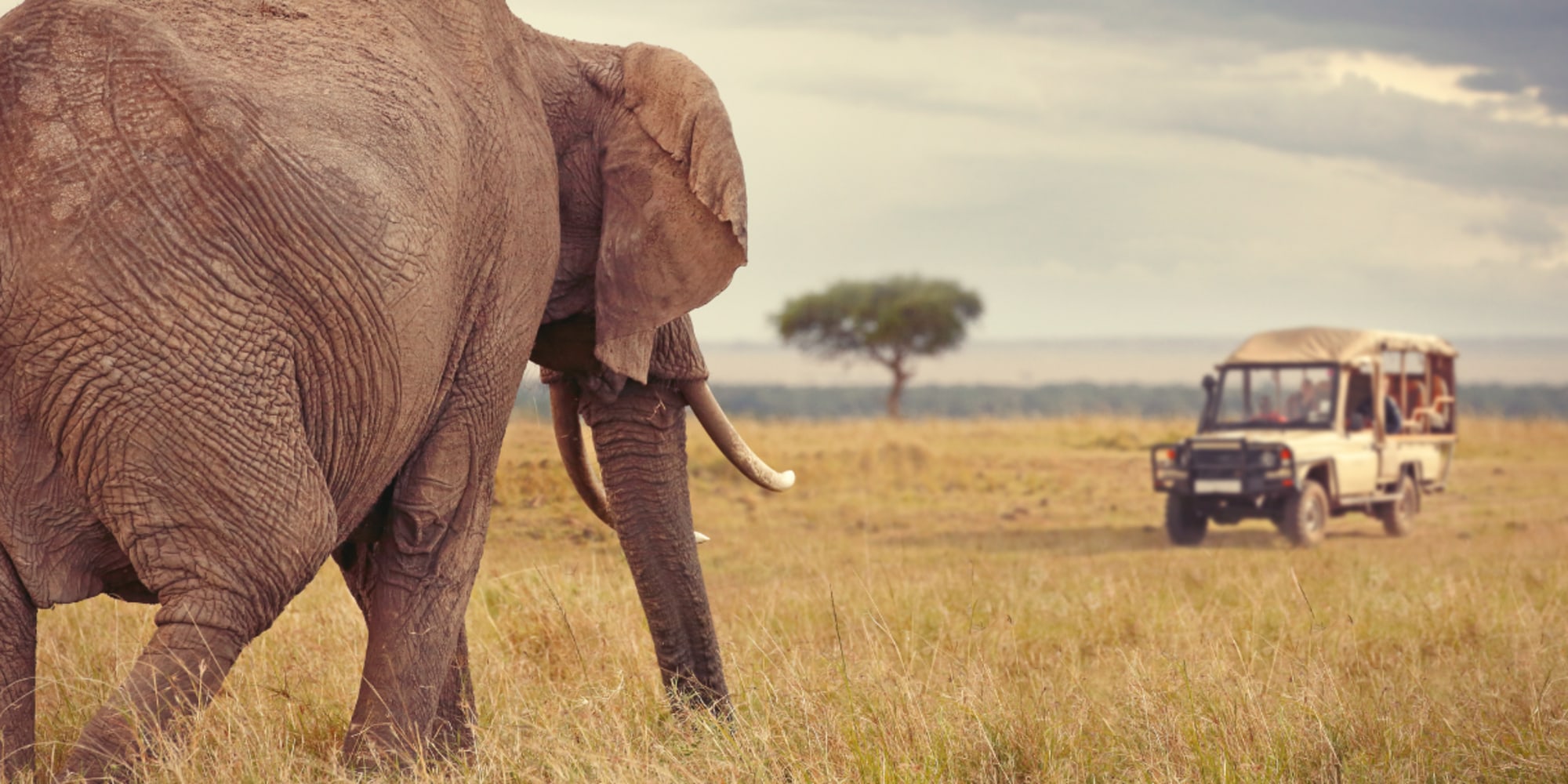
The vehicle slows, and your guide raises a hand.
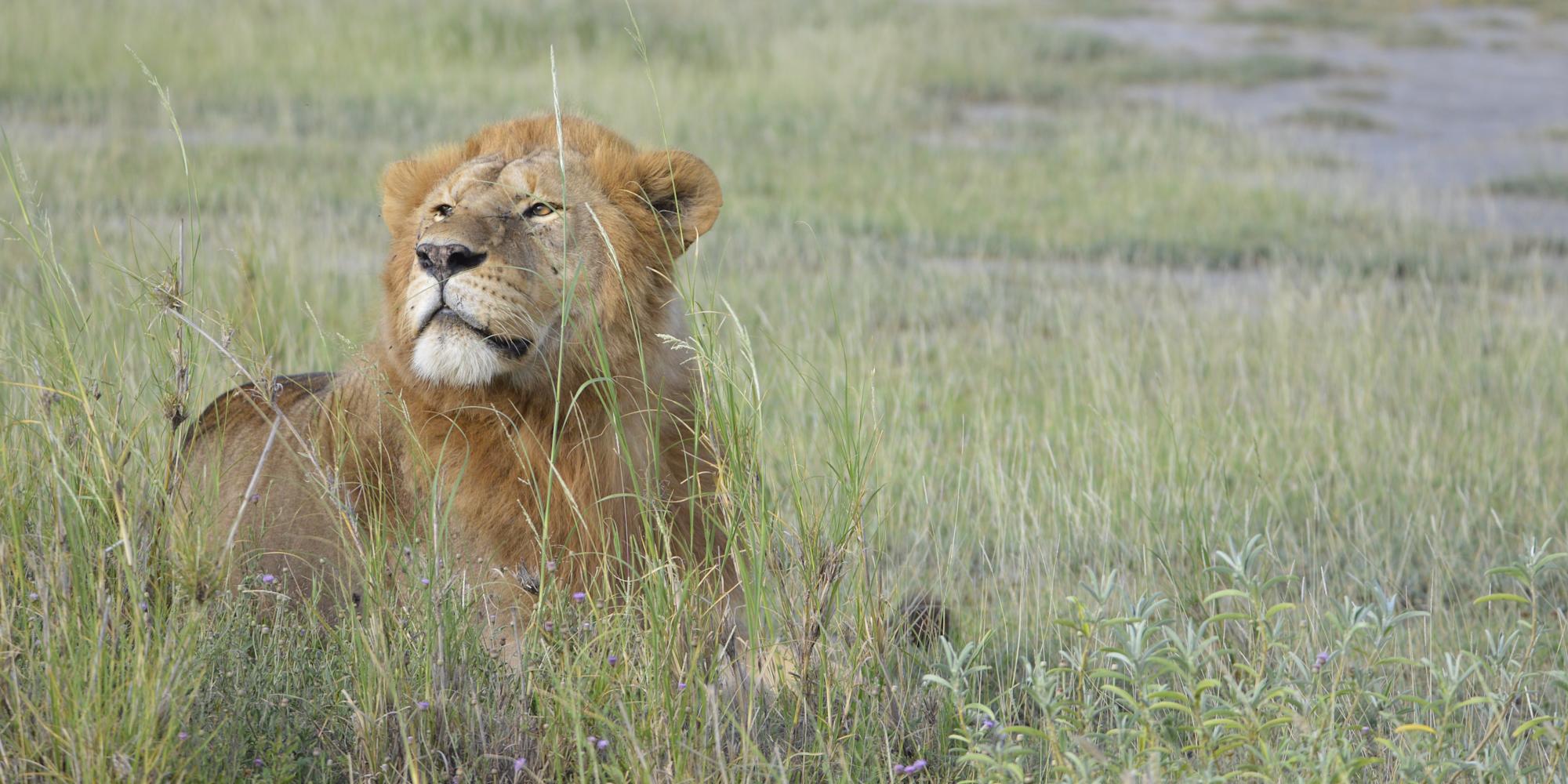
At first, you see nothing but grass. Then a lioness lifts her head above the golden stems. Her ears turn toward a distant sound. A few feet away, her cubs are asleep in the shade, unaware that everyone in the vehicle is holding their breath.
Safari teaches you to look again.
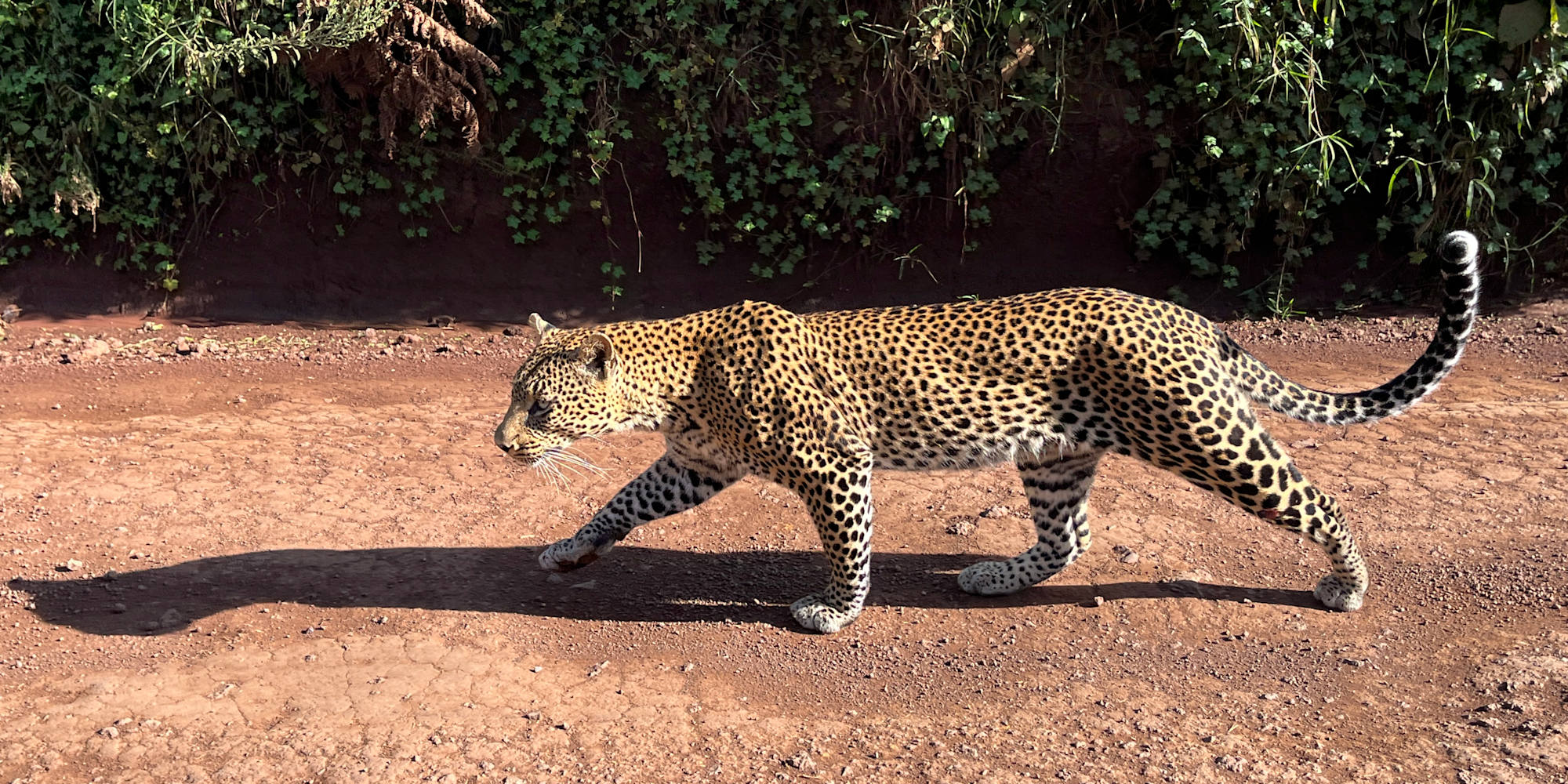
A shape becomes an elephant beside an acacia tree. A shadow becomes a leopard stretched across a branch. What seemed like an empty plain reveals wildebeest, zebra, birds, and gazelles woven through the landscape.
This is part of the magic of the Serengeti. It is vast, alive, and wonderfully unpredictable. You arrive hoping to see wildlife, but the experience quickly becomes about much more than ticking animals off a list. You begin to notice tracks in the dust, vultures circling on a warm current of air, zebra gathered nose-to-tail in the distance, and the way your guide reads the land as if it’s a living map.
Pairing the Serengeti with Ngorongoro Crater, you'll experience two remarkable sides of northern Tanzania. On our Serengeti & Ngorongoro Crater Safari here at Active Adventures, the Serengeti is one chapter in a wider journey. Over 10 days, you’ll explore Ngorongoro Crater, visit Olduvai Gorge, experience game drives across the Serengeti, and continue to Tarangire National Park. Along the way, you’ll share coffee with local people near Kilimanjaro, explore Moshi’s markets, meet Maasai guides, and stay close to nature in comfortable safari accommodations.
What Should You Expect From a Serengeti Safari?
A Serengeti safari combines wildlife viewing, changing landscapes, early morning game drives, time in a safari vehicle, and evenings at camp or a lodge. You may see lions, elephants, giraffes, zebra, wildebeest, buffalo, hippos, and many other animals, although no individual sighting can be guaranteed.
The best time to visit depends on what you most want to experience. For many travelers, that question centers on the Great Migration. But the Serengeti is not a one-season destination. Resident wildlife lives here year-round, and every month brings a different story to the plains.
A Serengeti safari involves early starts, extended drives in a safari vehicle, changing road conditions, and long periods of careful wildlife watching. The Great Migration moves through different parts of the ecosystem throughout the year. Broadly, the southern plains are associated with calving early in the year, herds move through central and western areas during the following months, and northern river crossings are commonly associated with July through October. Weather and grazing conditions influence the timing, so the migration never follows an exact calendar.
What Makes the Serengeti So Special?
Serengeti National Park is in northern Tanzania, beside the wider Ngorongoro Conservation Area and south of Kenya’s Maasai Mara. Its landscapes include open grasslands, savanna, woodland, and river environments, each supporting a different mix of wildlife.
The Serengeti feels open in a way that is difficult to imagine before you arrive.
Grasslands run toward the horizon. Acacia trees stand alone beneath wide skies. Rocky outcrops rise above the plains, providing shelter and vantage points for wildlife.
The landscape may appear empty at first. Then your guide points out a giraffe in the distance. A herd of zebra becomes visible beside the track. Lions lie low in the grass, their coats almost disappearing into the land. Wildlife moves freely here. Animals respond to water, food, weather, and instinct, rather than a visitor’s schedule. Some encounters happen suddenly. Others ask you to wait.
That uncertainty is part of the experience. Safari is not a performance. It is an invitation to watch a wild ecosystem on its own terms.
What Is the Great Migration?
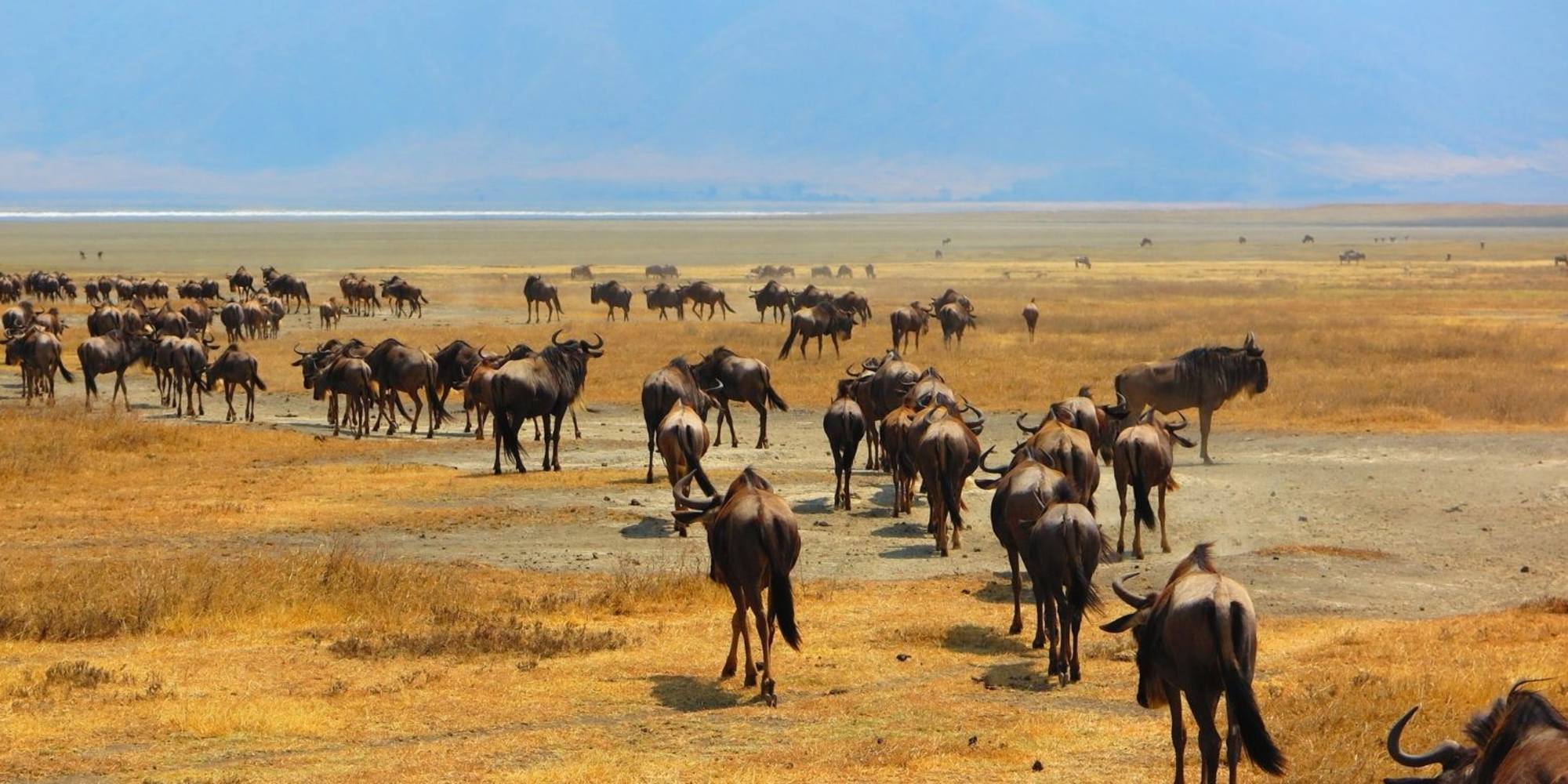
The Great Migration is the continuous movement of wildebeest, zebra, gazelles, and other grazing animals through the wider Serengeti ecosystem.
The animals move in response to fresh grass, available water, rainfall, and natural instinct. It is not a single event that happens in one place or during one week.
River crossings attract much of the attention, but they form only a small part of a much larger cycle. During the year, the herds gather to calve, spread across fresh grazing areas, move north, cross rivers when conditions lead them there, and eventually travel south again.
This means there is no single migration season. There are several distinct stages, each offering a different experience.
Is the Serengeti Worth Visiting Outside the Migration?
Absolutely. The Serengeti supports resident wildlife throughout the year. Lions, leopards, cheetahs, elephants, giraffes, buffalo, hippos, antelope, and many bird species do not disappear when the largest herds move elsewhere.
You may travel with migration hopes, but your clearest memory may be something else entirely. A line of elephants crossing the road. A cheetah scanning the plains. Or the moment your guide spots a leopard you would never have noticed on your own.
What Wildlife Might You See in the Serengeti?
A safari day rarely follows a script.
You may leave camp hoping to see a leopard and spend an hour watching elephants interact around a young calf. You might hear an alarm call before you see the predator that caused it. Or you may watch two giraffes walk across the horizon as the morning light catches the dust around their feet.
The Serengeti is known for the Big Five, as well as large populations of grazing animals, predators, and birds.
Can You See the Big Five?
The Big Five are:
• Lion
• Leopard
• Elephant
• Buffalo
• Rhinoceros
The Active Adventures trip is designed to provide opportunities to look for the Big Five across the Serengeti and Ngorongoro Crater. Sightings remain subject to natural conditions, and neither an individual species nor all five animals can be guaranteed.
The best experiences often come when you move beyond the checklist. Watch how elephants gather around their young. Notice how zebra and wildebeest graze alongside each other. Listen as your guide explains why a lion has chosen a particular patch of shade.
What Predators Live in the Serengeti?
The Serengeti is known for predators, including lions, cheetahs, leopards, and hyenas.
Your guide will look for animals, but they will also watch for clues. Tracks, alarm calls, circling birds, and the behavior of grazing herds can all reveal what may be nearby.
A tawny shape that looks like a rock to you may be a lion in the grass. A movement high in a tree might be the tail of a resting leopard. Over time, you begin to look more carefully too.
What Other Wildlife Should You Watch For?
Possible sightings include:
• Wildebeest
• Zebra
• Giraffe
• Hippo
• Crocodile
• Gazelle
• Antelope
• Warthog
• Baboon
• A wide variety of birds
Give the smaller sightings your attention. Tracks beside the road, colorful birds, and the daily work of insects all help reveal how the ecosystem fits together.
Traveler Tip: Bring binoculars, even if your camera has a zoom lens. There will be moments when you’ll want to put the camera down and simply watch.
When Is the Best Time to See the Great Migration?
The best time depends on which stage of the migration you hope to experience. The migration follows a broad annual pattern, but rain and grazing conditions can move the herds earlier, later, or into a neighboring area. No operator can guarantee the herds’ exact location or promise that a river crossing will happen during a particular game drive.
January Through March: Calving in the South
From late January through March, the southern Serengeti and Ndutu region are broadly associated with calving season. Large numbers of wildebeest gather on nutrient-rich plains, and many calves are born over a relatively short period. The presence of young animals can also attract predators. Choose this period if newborn animals, predator behavior, green landscapes, and birdlife are priorities.
April Through June: Herds Moving North and West
As seasonal conditions change, the herds generally begin moving away from the southern plains. They may pass through central Serengeti and toward the Western Corridor. This period can bring large groups of animals on the move, greener scenery, and fewer visitors in some areas. Rain may affect road conditions and the precise route of the herds.
July Through October: Northern Serengeti and River Crossing Season
July through October is commonly associated with herds reaching the northern Serengeti and the period when river crossings may occur. The precise timing varies, and crossings can happen without warning. Favor these months only when your selected itinerary confirms northern Serengeti or Mara River access if river crossings are your priority.
November and December: The Return South
Following seasonal rainfall, migration herds generally begin moving south again. Their route and timing depend on where fresh grazing becomes available. The green landscape begins to return, and moving herds may pass through central or eastern parts of the ecosystem before reaching the southern plains.
Which Active Adventures Departure Is Best for the Migration?
January through March: Best matched with departures that cover southern Serengeti or Ndutu if calving is your priority.
April through June: Look for central or western Serengeti routing if you hope to see herds moving north and west.
July through October: Choose departures that confirm northern Serengeti or Mara River access if river crossings are your priority.
November and December: Consider this period for southward movement and returning green landscapes.
It's important to note that our trip is not dependent on one wildlife event. It also visits Ngorongoro Crater, Olduvai Gorge, and Tarangire National Park. It includes cultural experiences near Kilimanjaro and Moshi, a Maasai-led traditional medicine walk, Serengeti game drives, luxury camping, and a night safari experience in Tarangire. This broader itinerary makes the journey rewarding even when the largest migration herds are elsewhere.
What Is the Dry Season Like?
June to October
Drier conditions can make some wildlife easier to see because vegetation may be thinner and animals may gather around available water.
Morning temperatures can feel cool, particularly on early game drives. The day may become warmer once the sun rises, so layers are useful.
Popular wildlife areas may also be busier during sought after travel periods. You should be prepared to share some sightings with other vehicles.
What Is the Green Season Like?
November to May
Seasonal rain brings fresh color to the landscape. Grass becomes greener, skies can become more dramatic, and the atmosphere feels different from the drier months.
Rain can affect roads, visibility, and daily plans. It does not always mean a full day of safari is lost. Conditions may change quickly, leaving clear air and beautiful light.
What Else Does the Serengeti & Ngorongoro Crater Safari Include?
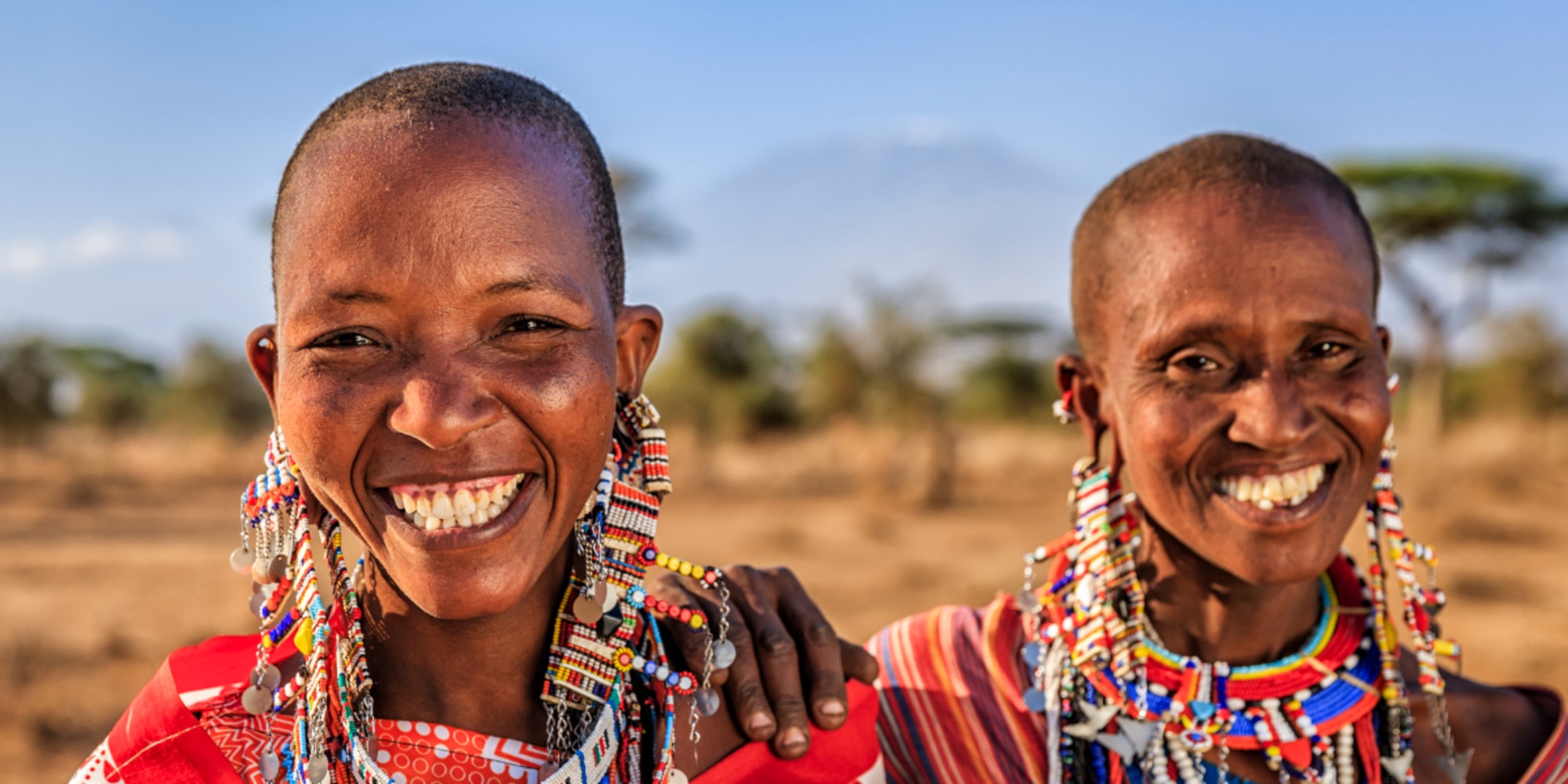
This is not simply a trip where you arrive, complete a few game drives, and leave. It's a full adventure including cultural as well as wildlife aspects so you get a deeper experience of the area. The journey begins and ends in Moshi, runs for 10 days, has an average group size of 12, and is rated Activity Level 1, which is classified "easygoing".
What Happens Near Kilimanjaro and Moshi?
The itinerary includes a coffee experience in Uru, a village on the slopes of Kilimanjaro, as well as time in Moshi’s markets. This creates space to meet local people and learn about the region before heading into the wildlife areas.
What Is the Maasai Cultural Experience?
The trip includes time with Maasai guides on a traditional medicine walk. The value of this experience comes from listening with curiosity and respect. It should not be framed as entertainment or as a simple photo opportunity.
What Does Ngorongoro Crater Add?
Ngorongoro Crater offers a striking contrast to the open Serengeti. The itinerary includes wildlife viewing in the crater and a visit to Olduvai Gorge, an important site in the study of human history.
Ngorongoro Crater is a natural companion to the Serengeti.
The two destinations offer different perspectives on northern Tanzania’s wildlife and landscape. In the Serengeti, the scale feels almost limitless. At Ngorongoro, the crater walls create a powerful sense of place.
On our safari, the Ngorongoro Crater experience includes a guided game drive within the crater and time to appreciate the wider conservation area. The crater’s enclosed landscape gives the day a very different feeling from the Serengeti’s open plains.
That contrast is important. Rather than repeating the same safari experience each day, you discover how wildlife adapts to different environments. The terrain changes. The views shift. The way you look for animals changes with them.
Is Ngorongoro Crater part of the Serengeti?
No. Ngorongoro Crater and Serengeti National Park are separate destinations in northern Tanzania.
They are often included in the same safari itinerary because they complement one another beautifully. Ngorongoro brings density and drama. The Serengeti brings scale, movement, and space.
What is a day in Ngorongoro Crater like?
A visit to Ngorongoro Crater usually means descending by vehicle into the crater with your guide and spending time exploring the crater floor. Wildlife sightings vary with conditions, but the landscape itself is unforgettable: steep crater walls, open grasslands, wetlands, and a sense that you’ve entered a world within a world.
On our Serengeti & Ngorongoro Crater Safari, this day helps bridge the journey between the cultural landscapes around Karatu and the wide-open safari days that follow in the Serengeti.
Why Visit Tarangire National Park?
Tarangire adds another distinct environment. Highlights include seeing elephant herds close-up, ancient baobab trees, and a night safari experience beneath dark skies.
Can You Take a Hot-Air Balloon Flight?
You may have the opportunity to take a sunrise hot-air balloon flight over the Serengeti. Just ask our friendly team about the possibility, availability, and inclusion on your selected departure.
What is a Typical Safari Day Like?
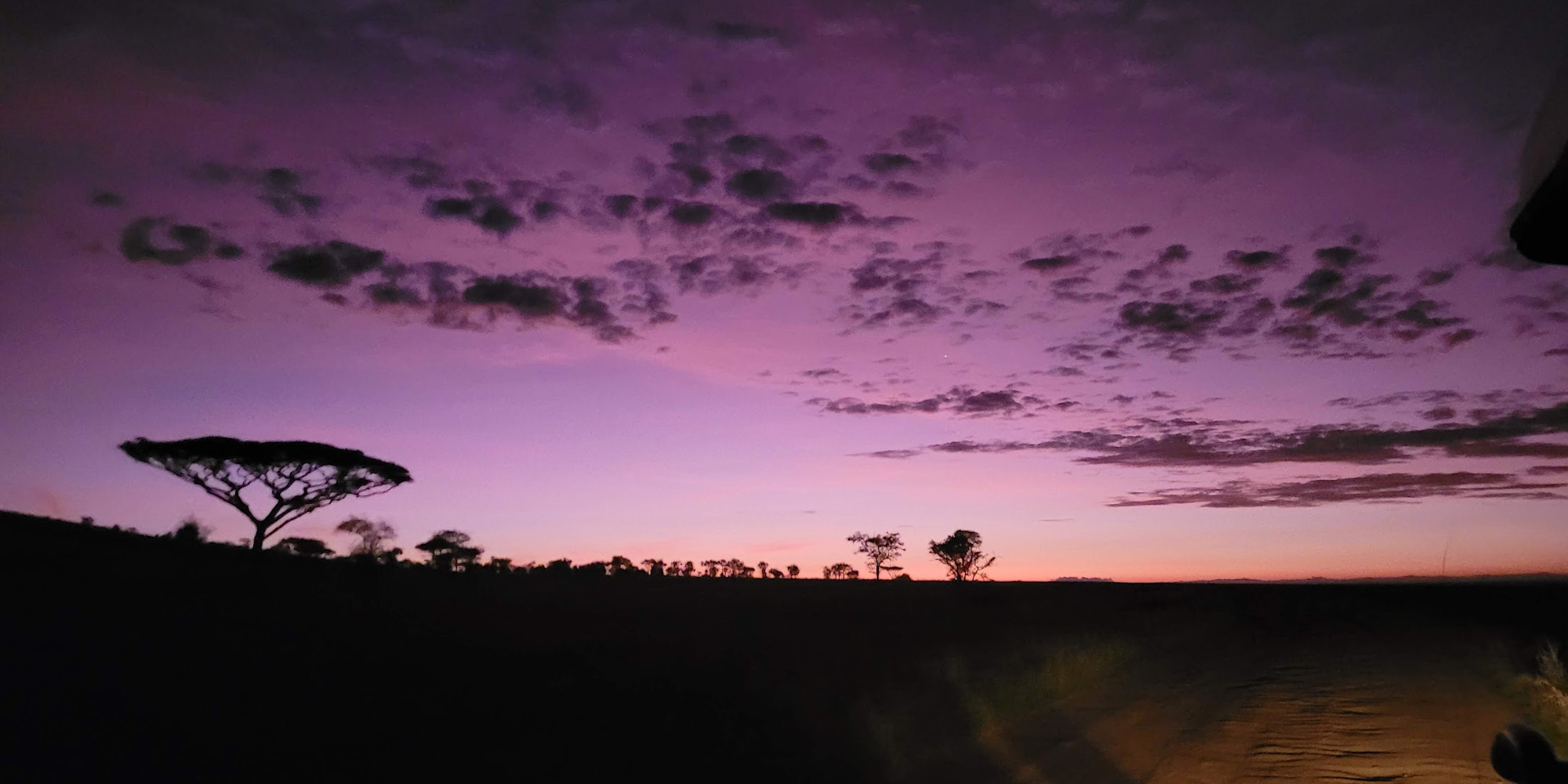
Safari days often begin early.
The schedule varies according to the itinerary, weather, location, and animal activity. Most days combine wildlife drives, meals, rest, and time to enjoy your accommodation.
What Happens on a Morning Game Drive?
You’ll usually dress in layers and leave while the air is cool.
As the light changes, the landscape begins to reveal itself. Your guide watches the road, checks for tracks, and listens for animal calls.
There may be quiet stretches. Then someone notices movement.
The vehicle slows. Binoculars come up. Conversation falls away.
These moments of anticipation are part of what makes safari so absorbing.
How Long Will You Spend in the Vehicle?
Driving times depend on the specific itinerary and the day’s plan.
Travel may include game drives within wildlife areas and transfers between destinations. Roads can be dusty, uneven, or muddy according to the season.
You should be comfortable climbing into the vehicle and sitting for extended periods. Safari is not usually a high intensity activity, but early mornings, rough roads, heat, dust, and long days outdoors can still be tiring.
What Happens During the Middle of the Day?
Depending on the itinerary, you might return to camp or a lodge for lunch and time to rest. On other days, you might remain out and eat along the way.
This quieter part of the day gives you time to review photographs, write a few notes, or talk with your fellow travelers.
You'll be surprised by how much has already happened before lunch.
What Are Safari Evenings Like?
Back at your accommodation, the day begins to soften.
There will be time to freshen up, enjoy dinner, and trade stories with your group. As darkness falls, the sounds beyond camp become clearer.
After a full day of wildlife viewing, a comfortable place to sit and a shared meal is exactly what you need.
How Should You Prepare for the Trip?
Good preparation helps you stay comfortable and present.
Think in layers. Protect yourself from the sun. Bring binoculars. Expect uneven roads, early starts, and changes in weather.
Most importantly, arrive with curiosity. Wildlife may not appear in the order you hoped, but the day is rarely short of interest.
How Active Is a Serengeti and Ngorongoro Safari?
A vehicle-based safari is generally less strenuous than a dedicated hiking trip, but it is not completely passive.
You may need to:
• Climb into and out of a safari vehicle
• Sit for extended periods
• Travel over uneven roads
• Manage early departures
• Walk over uneven ground at camps or lodges
• Adapt to sun, dust, rain, or cool mornings
Check the itinerary for planned walks, hikes, or additional activities.
If you have concerns about mobility, balance, or extended time in a vehicle, speak with our team before booking.
What Should You Pack?
A practical packing list may include:
• Lightweight shirts and pants
• Neutral colored clothing
• A warm layer for mornings
• A lightweight rain jacket
• Comfortable, closed toe shoes
• A sun hat
• Sunglasses
• Sunscreen
• Insect repellent
• Binoculars
• Camera equipment
• Spare batteries or a power bank
• Personal medications
• A small day bag
• A reusable water bottle
Choose clothing that is comfortable and easy to layer. You do not need to buy an entirely new wardrobe in khaki.
After booking a comprehensive trip packing list and baggage requirements will be sent to you. Smaller aircraft may have different restrictions from international flights, but this will be confirmed against the exact trip arrangements.
Where Will You Stay?
From the welcoming Chanya Lodge in Moshi to the crater-rim views of the 5-star Acacia Farm House, this journey blends comfortable lodges with luxury tented camps in the heart of the Serengeti and Ndutu plains, think comfortable beds and hot water showers, just steps from the wild. Round it out with lake views at the Manyara Escarpment Luxury Lodge and a stay among the baobabs at Tarangire Safari Lodge. Wherever you rest your head, you're never far from the action.
Why Choose a Guided Safari?
A guide does far more than drive the vehicle.
They help identify wildlife, read tracks, interpret animal behavior, explain the landscape, and provide local context.
They also help manage the practical side of the journey, allowing you to focus on the experience.
You'll enjoy expert guides, seamless logistics, our specially curated itinerary, authentic local connections, and meaningful nature experiences.
A good guide changes the way you look at the landscape. You begin to notice details that would otherwise remain hidden.
Is This Safari Right for You?
The Serengeti and Ngorongoro Crater Safari will suit you if you enjoy wildlife, photography, natural landscapes, and learning from knowledgeable guides.
It's also a winner if you value having the logistics arranged while still wanting the experience to feel personal, curious, and connected to place.
You will need a bit of patience. Roads may be rough. Mornings may begin early. Wildlife does not appear on cue, and plans may need to shift.
In return, you have the chance to slow down and enter the ecosystem of two remarkable landscapes.
You'll remember your first lion sighting and looking across Ngorongoro Crater for the first time. Or your clearest memory may be smaller. Dust glowing in the morning light. Your guide pointing out fresh tracks.
Everyone in the vehicle becoming completely still.
You arrive hoping to see wildlife.
You leave remembering how it felt to stop and truly watch.
If you’d like to experience the Serengeti, Ngorongoro Crater, and Tarangire with the practical details taken care of, explore Active Adventures’ Serengeti & Ngorongoro Crater Safari.
It’s a guided 10-day Tanzania safari designed for travelers who want the wonder of wild places, the reassurance of expert local support, and the time to truly settle into the experience.
Ready to picture yourself there? Explore our Tanzania adventures and find the trip that feels right for you.
Written by: Nicole McLean, who is part of the Active Adventures team drawing on the company’s 30+ years of experience guiding travelers through wild, beautiful places.