Where is Patagonia?
Patagonia is a vast geographic region at the southern end of South America. It is not a country. Patagonia stretches across two countries — Argentina and Chile — with the Andes running through its heart, Chilean fjords and glaciers to the west, and wide Argentine steppe, lakes and mountain towns to the east.
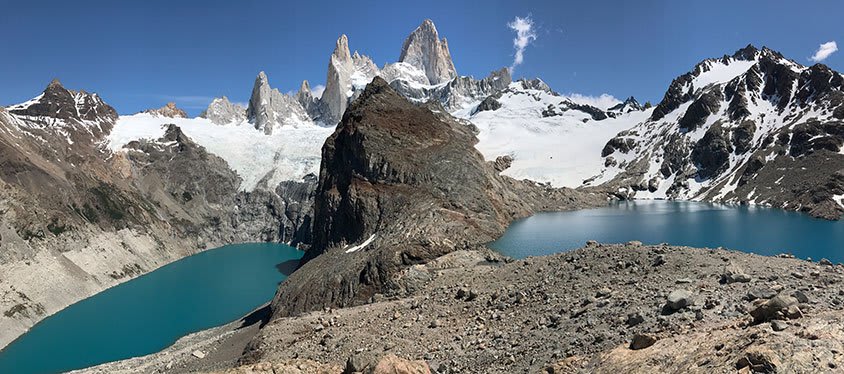
For travelers, the names you’ll hear most often are Torres del Paine in Chilean Patagonia, and El Chaltén, Mount Fitz Roy, Los Glaciares National Park and El Calafate in Argentine Patagonia. These are the places where the map becomes real: granite towers, wind-brushed valleys, bright glacial lakes and trails that make you pause without anyone needing to say a word.
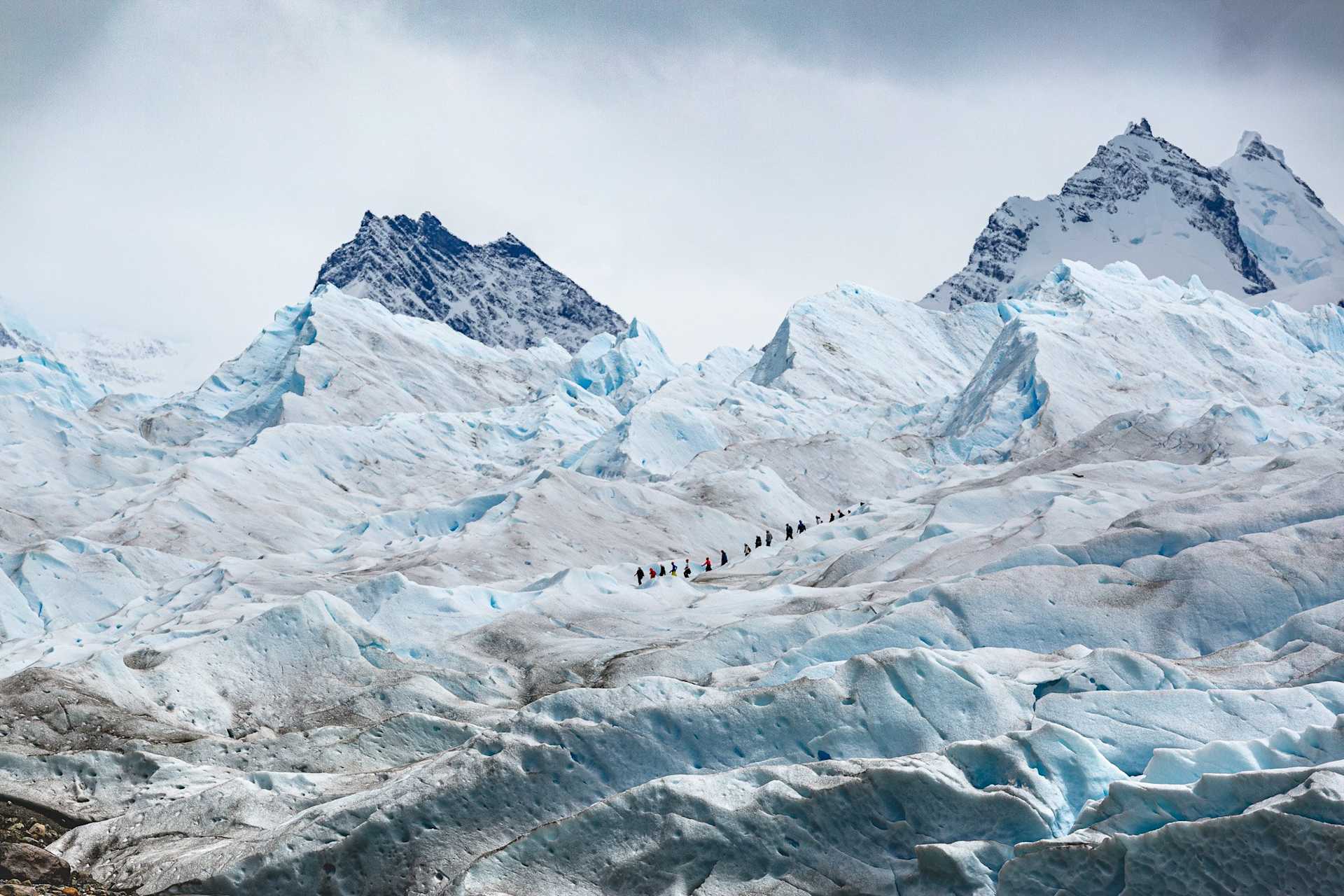
Patagonia has an almost surreal quality to it, so it's no wonder our Patagonia adventures are synonymous with intense rugged beauty and world-class hiking. You would struggle to find a more intensely beautiful, rugged, and diverse countryside, from vivid green alpine meadows dotted with wildflowers, to glacier fields stretching as far as the eye can see.
Patagonia Quick Facts
- Continent: South America
- Countries: Argentina and Chile
- Is Patagonia a country? No. Patagonia is a region shared by Argentina and Chile.
- Best-known hiking areas: Torres del Paine, El Chaltén, Mount Fitz Roy, Los Glaciares National Park
- Common gateways: Punta Arenas, Puerto Natales, El Calafate, Ushuaia
- Best time to visit: October to March for longer days and more accessible hiking conditions
- Best known for: Glaciers, jagged peaks, fjords, lakes, pampas, wind, wildlife, and big-sky wilderness
Where is Patagonia located?
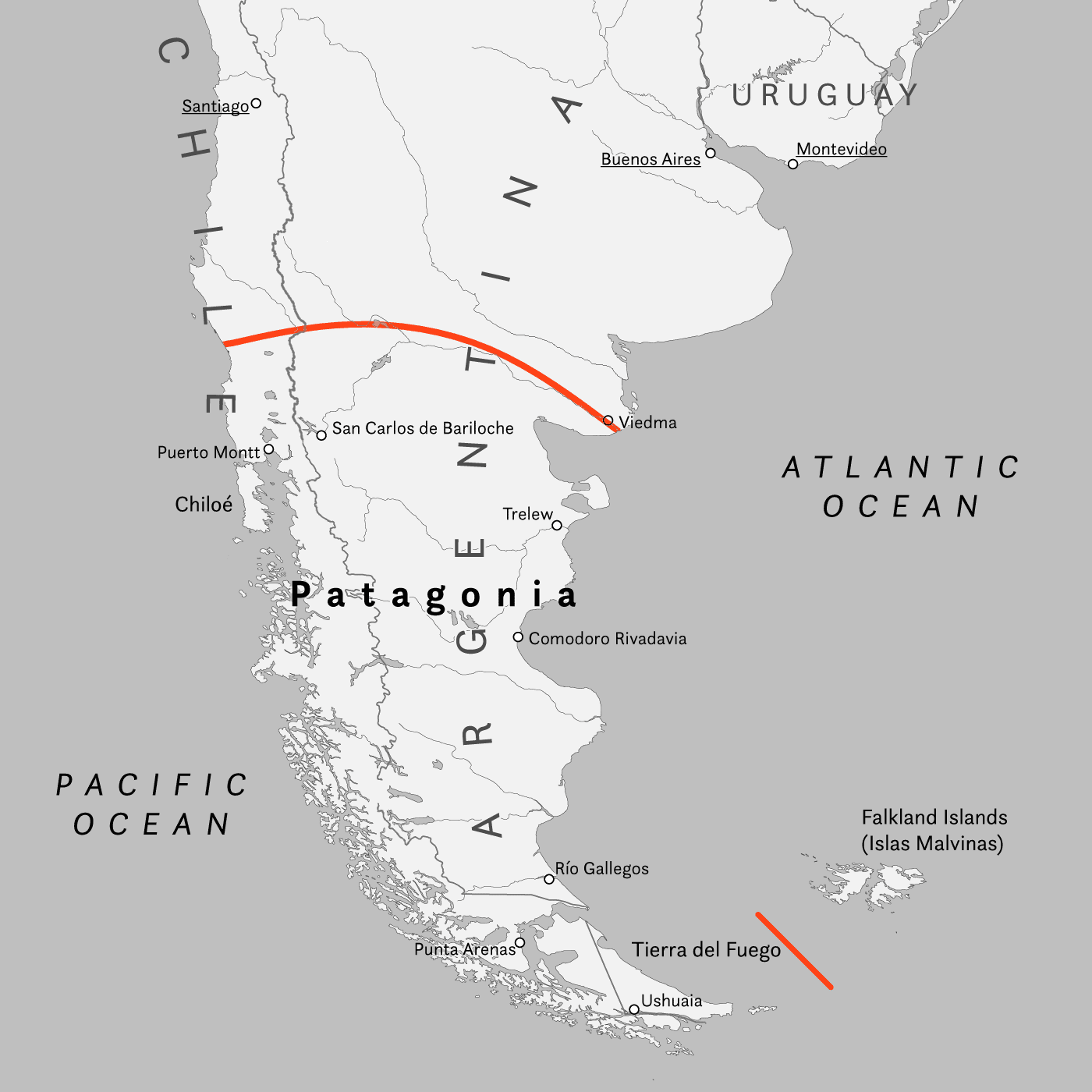
Patagonia sits at the far southern end of South America, where the continent narrows toward the Southern Ocean. The region spreads across southern Argentina and southern Chile, with the Andes forming a natural spine between the two. On a map, you’ll find Chilean Patagonia along the long, narrow western edge of the continent and Argentine Patagonia across the broader eastern side.
That geography is part of what makes Patagonia feel so wonderfully varied. One day you may be walking beside a milky-blue glacial lake with peaks stacked above you. Another day, the view opens into wide pampas where guanacos graze and condors ride the wind. It’s remote, beautiful and weather-shaped — the kind of place where travelling with local guides and well-planned logistics makes the experience feel smoother, safer and more rewarding.
Is Patagonia a country?
No. Patagonia is not a country. It is a region shared by Argentina and Chile. When people say they are “going to Patagonia,” they usually mean they are travelling to one or both sides of this southern region, often crossing between Chilean Patagonia and Argentine Patagonia during the same trip.
Where is Patagonia in Argentina?
Argentine Patagonia covers the southern part of Argentina, stretching from the northern Patagonian provinces down to Tierra del Fuego. For hikers, the best-known areas include El Chaltén, Mount Fitz Roy, Laguna de los Tres, Laguna Torre, El Calafate and Los Glaciares National Park. This side of Patagonia is known for big mountain views, open steppe, glacier-fed lakes and some of the region’s most iconic day hikes.
Where is Patagonia in Chile?
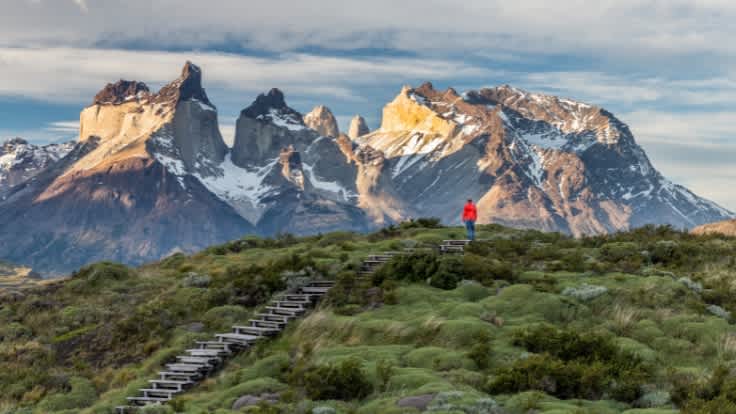
Chilean Patagonia runs along the southern length of Chile, where mountains, fjords, forests and icefields meet the Pacific. The most famous hiking area is Torres del Paine National Park, home to the W Trek, the Towers, Los Cuernos and Grey Glacier. Many travellers enter through Punta Arenas or Puerto Natales before heading into the park.
Why does Patagonia belong on both sides of the border?
The border between Chile and Argentina follows much of the Andes, but the landscapes, weather and culture flow across both sides. That’s why many Patagonia adventures include both countries: Chile for its fjords, forests and Torres del Paine; Argentina for Fitz Roy, El Chaltén, Perito Moreno Glacier and the wide-open feeling of the pampas.
The bottom of South America is also the closest landmass to Antarctica (New Zealand is the second closest), so it's a popular jumping-off point for Antarctic voyages and cruises.
How big is Patagonia?
The vast Patagonia region covers about 777,000 square kilometers (300,000 square miles) of Argentina, which is about a third of the country, and another 340,000 square kilometers (131,275 square miles) or nearly half of Chile.
What is the Patagonia population?
Many regions of Patagonia have very low population density. The total population of Patagonia is about 2 million, which is in Argentina and Chile combined, with the large majority living in Argentina.
What is Patagonia famous for?
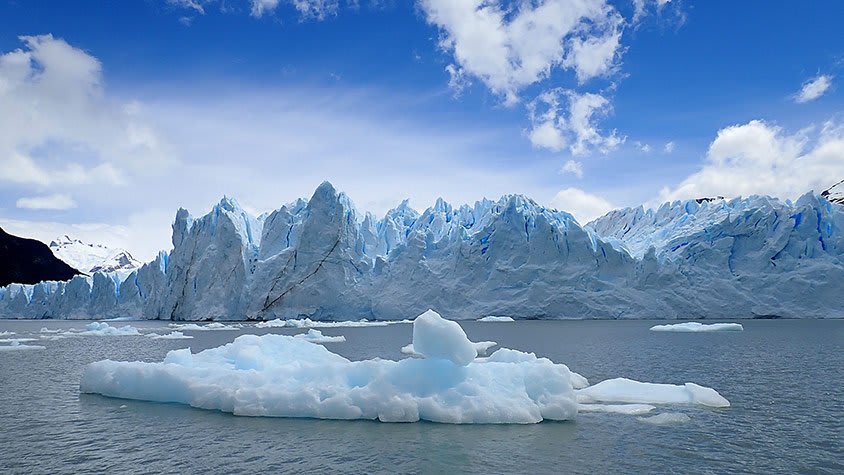
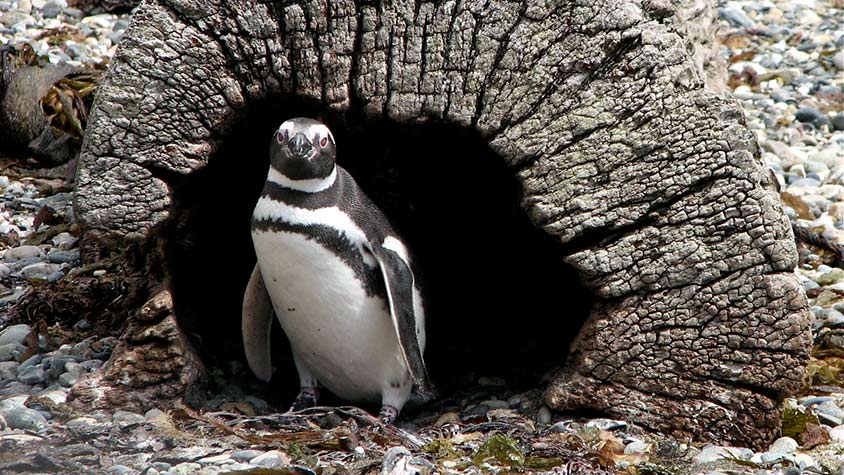
Patagonia is famous for wild mountain scenery, glaciers, wind-carved landscapes and some of the best hiking in South America. It’s where you’ll find the granite towers of Torres del Paine, the sharp skyline of Mount Fitz Roy, the blue ice of Perito Moreno Glacier, and trails that move through forest, moraine, open valleys and lake country. Wildlife is part of the magic too — keep an eye out for guanacos, condors, foxes, flamingos and, with luck, the quiet shape of a puma in the distance.
How do you get to Patagonia?
Most international travelers reach Patagonia by flying first to Santiago, Chile, or Buenos Aires, Argentina, then connecting south. Common gateways include Punta Arenas and Puerto Natales for Chilean Patagonia, and El Calafate or Ushuaia for Argentine Patagonia. Distances are long, weather can shift plans, and border crossings take time, so it helps to build in breathing room — or travel with a guided itinerary where those moving pieces are already taken care of.
Is Patagonia right for you?
Patagonia is a wonderful fit if you love big landscapes, active days and the feeling of earning a view with your own two feet. You don’t need to be an elite athlete, but you’ll enjoy it more if you’re comfortable walking for several hours on uneven trails, sometimes in wind, rain or quickly changing conditions. The reward is simple and unforgettable: a hot drink after a wild day outside, a guide who knows when to pause for the best view, and the deep satisfaction of standing somewhere that once felt impossibly far away.
What is the time zone in Patagonia?
Argentina is three hours behind GMT. Chile is four hours behind GMT. From October to March both countries observe daylight saving, putting their clocks forward by one hour. Basically, this means that most of the time Patagonia is within one or two hours of USA Eastern Standard time.
What language do they speak in Patagonia?
The official language of Patagonia is Spanish but there are small pockets of indigenous communities within Patagonia who speak Mapuche. In larger cities, you're likely to meet locals who know some English, but in rural areas this is rare, so knowing basic Spanish travel phrases (or travelling with a guide that knows the language) is very helpful.
What are the main gateway cities?
Punta Arenas (Chile), Puerto Natales (Chile), El Calafate (Argentina), Ushuaia (Argentina - Tierra del Fuego)
What are the currencies of Argentina and Chile?
The local currency is the Argentinean Peso (ARS) which is divided into 100 centavos.
The local currency is the Chilean Peso (CLP), which is divided into 100 centavos.
What is the Patagonia climate like?
The summer season in Patagonia runs from December to March. The highest rainfall is during the Patagonian winter (June to September) but days are changeable and can be hot and sunny one day, to wet and windy the next year round. Summer season is definitely the best time to travel to this part of the world, as winter months can be harsh and inhospitable.
Are vaccinations required in Patagonia?
You should have hepatitis A and tetanus vaccinations as well as chicken pox and measles if you've never caught them before. However, no vaccination certificate is required to enter either Chile or Argentina. Rabies and malaria medication is not considered necessary in the areas that we travel, but may be required if you are doing further independent travel.
What is the electric voltage in Patagonia?
In both Chile and Argentina, electric voltage is 220 volts, 50 cycles (220v 50Hz). Most travel appliances, such as laptop computers, have an auto volt transformer (it will say '110v-240v' for example), but appliances or electric devices designed for 110 volts only will need a transformer and not just a plug adaptor.
Patagonia travel and visas
To really experience hiking in Patagonia, you have to do more than simply admire the views! Travel visas for Chile and Argentina are somewhat complicated, so it pays to work with an experienced travel professional to make sure you've got all the right paperwork, and there won't be any nasty surprise fees. Please feel free to give us a call and we'll run through our Patagonia tours options with you!