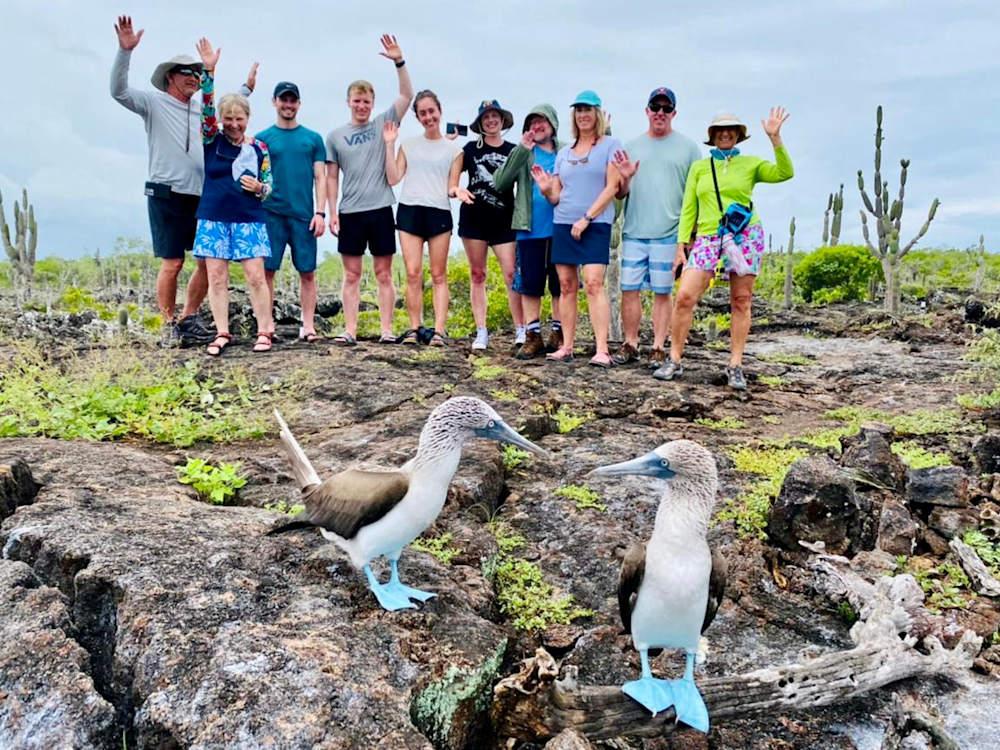
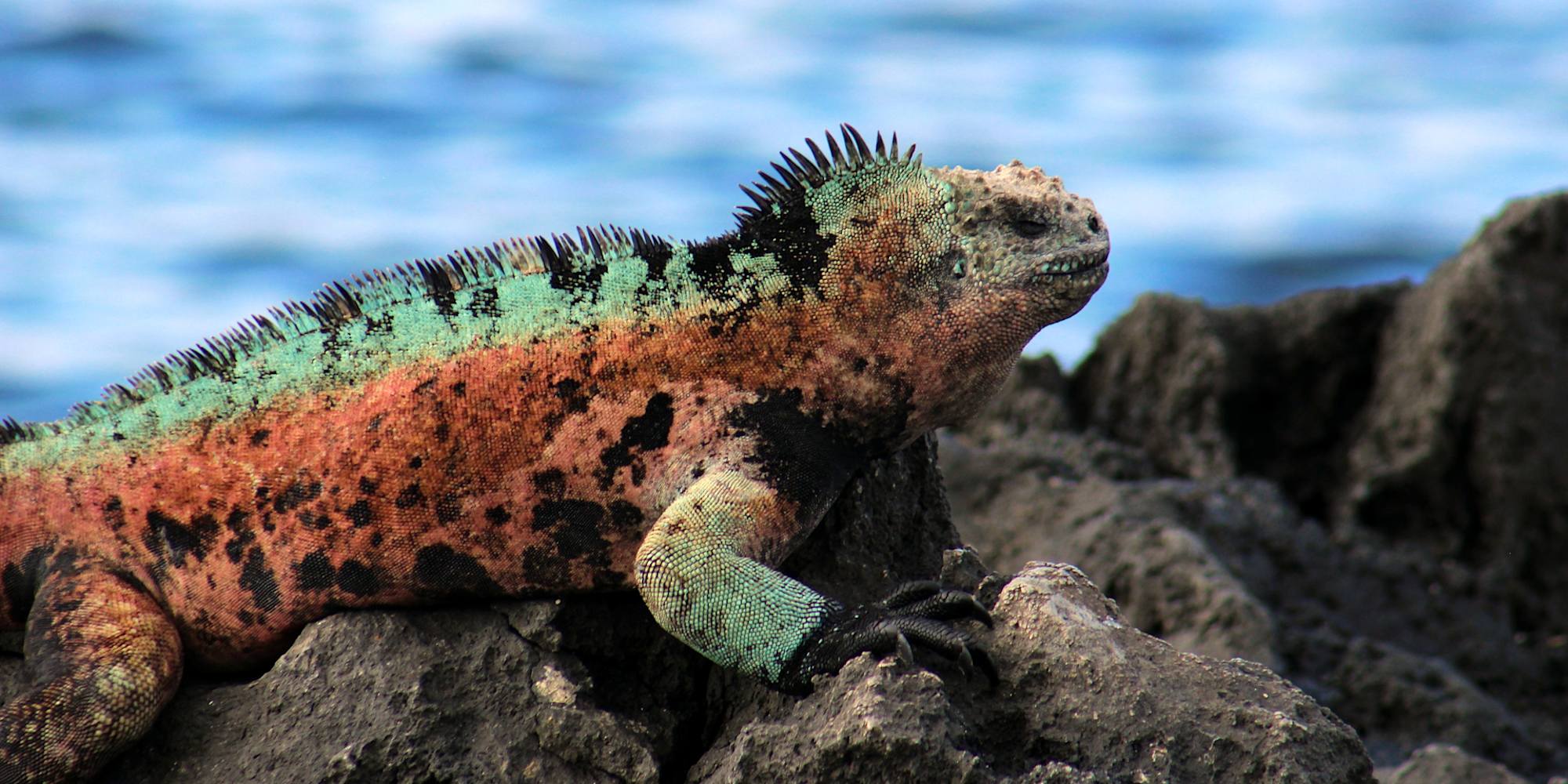
In the Galápagos, the natural order feels beautifully rearranged. A sea lion might flop across the sand beside you. A marine iguana may blink from a black lava rock. A giant tortoise could be grazing quietly in the highlands, moving with the calm confidence of a creature that has all the time in the world.
The Galápagos Islands are one of those rare places that truly feel different from everywhere else. They sit around 1,000 kilometers off the coast of Ecuador, where ocean currents, volcanic islands, and remarkable wildlife come together in a living landscape of evolution. You don’t just see nature here. You feel yourself moving carefully through it.
So, how do you plan a Galápagos trip well? Start with the basics: choose the season that suits your travel style, understand how island logistics work, pick the islands that match your interests, and travel in a way that protects the place you came to see.
The Galápagos Islands are a year-round wildlife destination, but the best trip depends on what you want to experience: warmer seas and calmer conditions from roughly December to May, or cooler, nutrient-rich waters and active marine life from June to November. Most travelers fly through Quito or Guayaquil, pay a Galápagos National Park entry fee on arrival, and need to follow strict biosecurity and wildlife rules. A guided, land-based Galápagos trip is one of the most rewarding ways to explore because you can hike, snorkel, kayak, bike, sleep on the islands, and spend more time connecting with local communities.
The Short Answer: What to Know Before Traveling to the Galápagos Islands
The Galápagos are part of Ecuador, and most visitors reach the islands by flying from mainland Ecuador to either Baltra or San Cristóbal. Many Active Adventures trips begin and end in Quito, giving you time to settle in, meet your guides, and avoid the stress of a tight international-to-island connection.
Before you fly to the islands, you’ll need to complete required Galápagos travel steps, including the Transit Control Card process and biosecurity screening. International visitors also pay the Galápagos National Park entry fee when they arrive. These requirements are not just paperwork. They help protect a fragile archipelago where invasive species, overuse, and careless travel can have lasting consequences.
Once you’re there, the pace of travel feels refreshingly simple: wake early, step outside, and let the day open up through wildlife encounters, clear water, black lava rock, and good company. On a guided land-based trip, your guides handle the timing, transfers, activity flow, and local details so you can stay present for the moments that matter.
When is the Best Time to Visit the Galápagos Islands?
The honest answer is that there is no bad month to visit the Galápagos. Wildlife is present all year, and the islands do not follow a simple four-season pattern. Instead, you’ll generally hear people talk about the warmer, wetter season from roughly December to May and the cooler, drier season from roughly June to November.
Choose December to May if you want warmer water, generally calmer seas, greener landscapes, and conditions that often feel especially appealing for snorkeling and kayaking. Rain can pass through, but it often arrives as warm showers rather than all-day disruption.
Choose June to November if marine life is your main draw. Cooler, nutrient-rich currents help bring energy to the underwater world, which can mean excellent snorkeling and diving conditions for those comfortable in cooler water. Seas may be choppier, and a wetsuit can make a big difference.
What is the weather like in the Galápagos?
Expect warm equatorial sun, ocean breezes, and conditions that can vary between islands. The highlands of Santa Cruz can be cooler and mistier than the coast. Boat rides can feel windy even on warm days. The most useful packing mindset is simple: light layers, strong sun protection, and clothing that dries quickly.
What is the best time for wildlife?
Wildlife is the reason many travelers dream of the Galápagos, and there is something remarkable to see in every month. Giant tortoises, marine iguanas, sea lions, sea turtles, blue-footed boobies, rays, reef sharks, and countless seabirds all have seasonal rhythms, but no single month has a monopoly on wonder. A good guide helps you understand what you are seeing, why it matters, and how to observe it respectfully.
What is the best time for scuba diving?
Scuba divers often look closely at the cooler-water months because marine life can be especially active. If diving is central to your trip, pair this planning hub with a dedicated Galápagos scuba resource and check site conditions carefully. For most Active Adventures travelers, snorkeling is the more common daily experience, with locations such as Kicker Rock, Los Túneles, Floreana, and Isabela offering a vivid look into the marine world.
Which Galápagos Islands should you visit?
The Galápagos are not one single experience. Each island has its own character, wildlife, geology, and pace. Choosing the right islands helps your trip feel richer and more personal.
Santa Cruz Island
Santa Cruz is a natural starting point for many travelers and a wonderful introduction to Galápagos life. In the highlands, giant tortoises move through green pasture and forest with the slow certainty of ancient residents. Lava tunnels hint at the volcanic story beneath your feet.
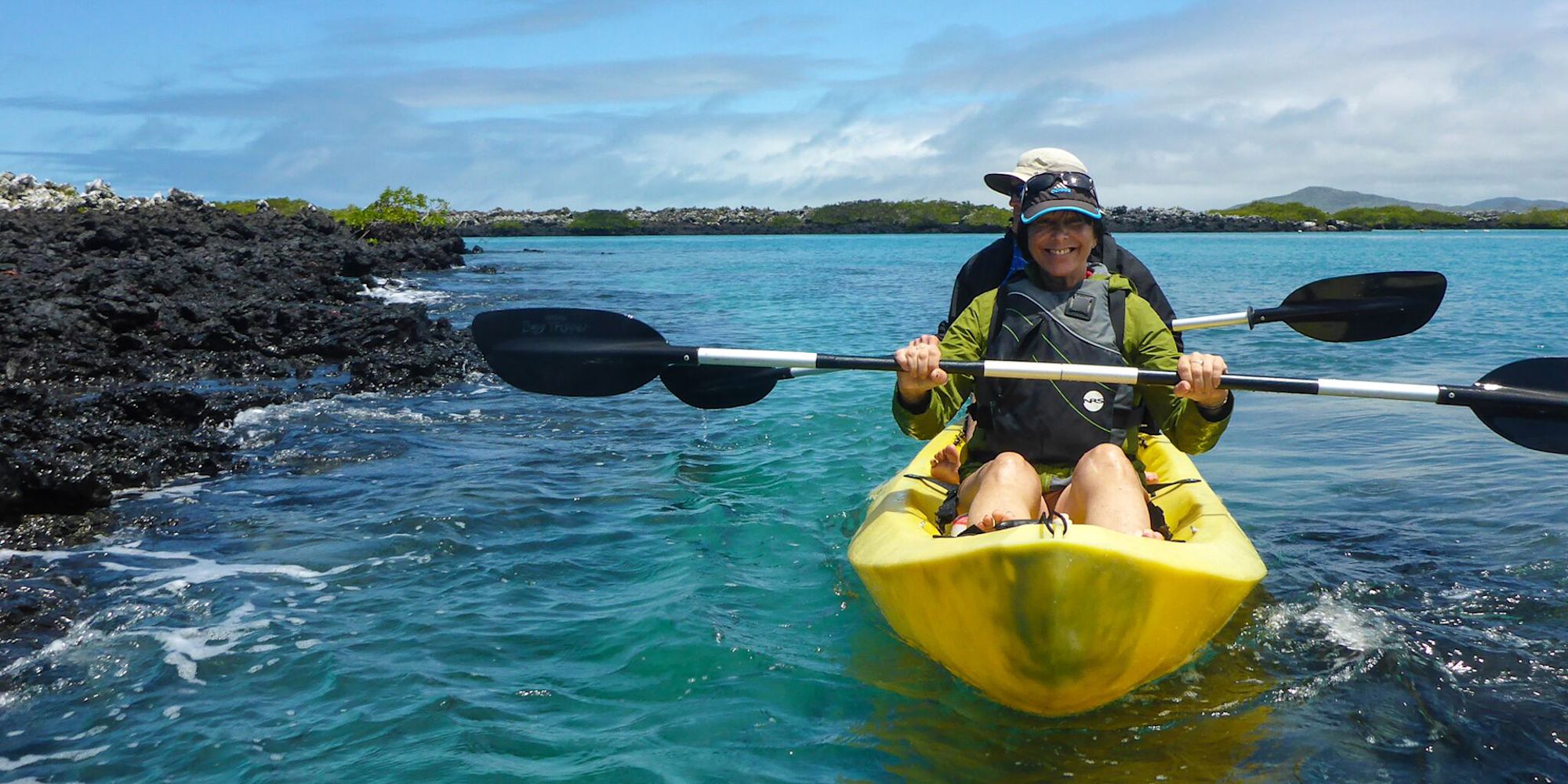
Active Adventures itineraries may include kayaking at Tortuga Bay, visiting giant tortoise habitat, exploring Puerto Ayora, and settling into the easy rhythm of the island after a day outside.
Isabela Island
Isabela feels wilder and more spacious. It is the largest island in the Galápagos, shaped by volcanoes, wetlands, mangroves, black lava, and bright stretches of coast.
Here, you might hike Sierra Negra Volcano, snorkel around Los Túneles, visit wetlands and flamingo habitat, or spend time at a giant tortoise breeding center. It is one of the best islands for travelers who want the Galápagos to feel active, varied, and a little raw around the edges.
San Cristóbal Island
San Cristóbal brings together coastal charm, wildlife encounters, and some of the best-known marine experiences in the islands. Sea lions are part of daily life here, especially around beaches and harbor areas.
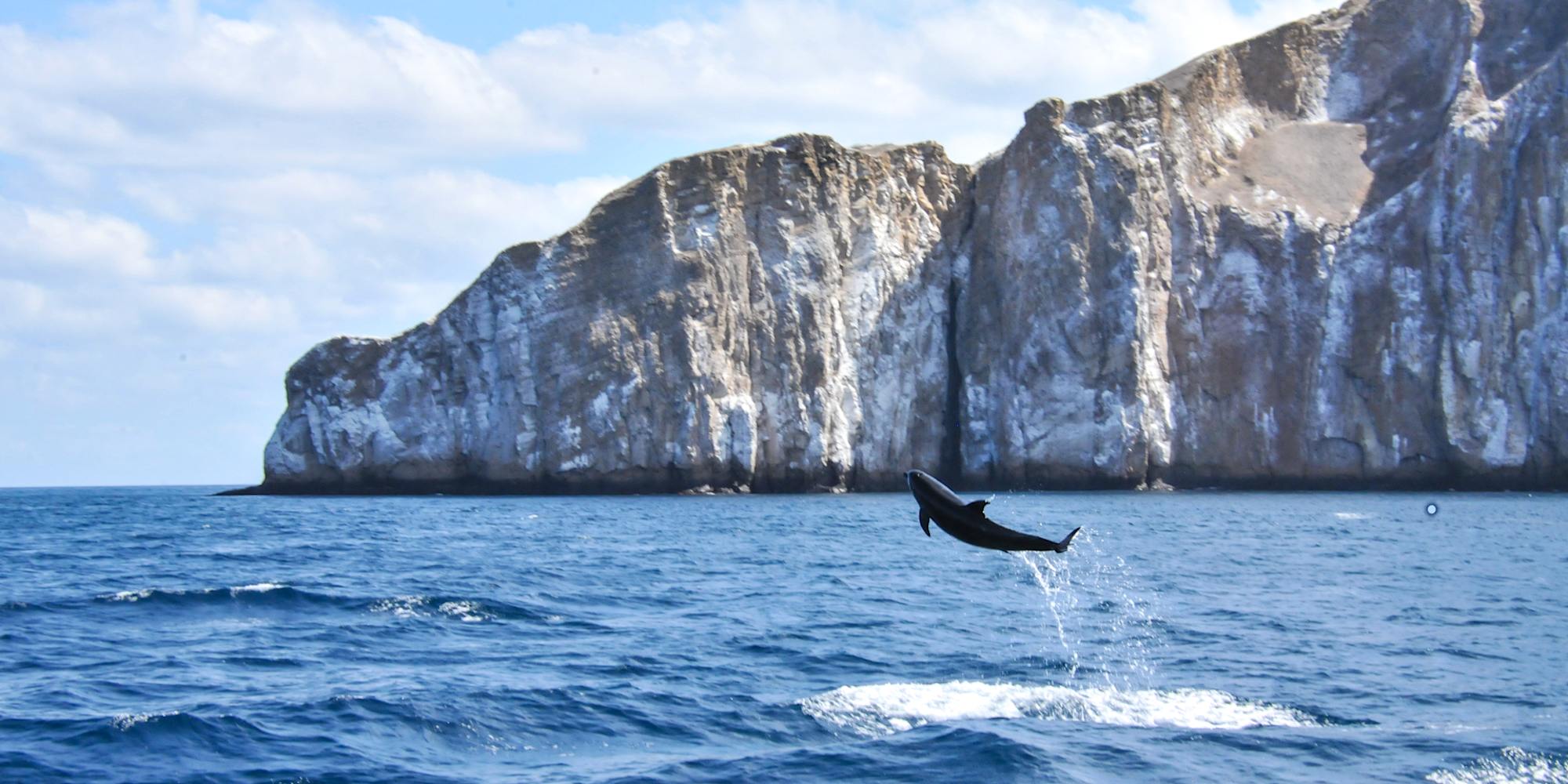
Active Adventures itineraries may include biking to La Lobería Beach and snorkeling near Kicker Rock, where volcanic walls rise dramatically from the sea and the water below may hold turtles, rays, reef sharks, and colorful fish.
Floreana Island
Floreana adds history, quiet, and a sense of remoteness. It is a smaller island with a layered human story and beautiful snorkeling opportunities.
On a longer land-based adventure, Floreana helps round out the trip by offering a different pace from Santa Cruz, Isabela, and San Cristóbal.
Quito
Quito is not in the Galápagos, but it matters. It gives your trip a softer landing, especially if you are arriving from North America. Beginning in Quito allows time to meet your guides, gather the group, prepare for island travel, and start the journey with less rush.
For travelers combining Peru and Ecuador, Quito also serves as the bridge between Machu Picchu and the Galápagos.
What is a Land-based Galápagos Adventure Like?
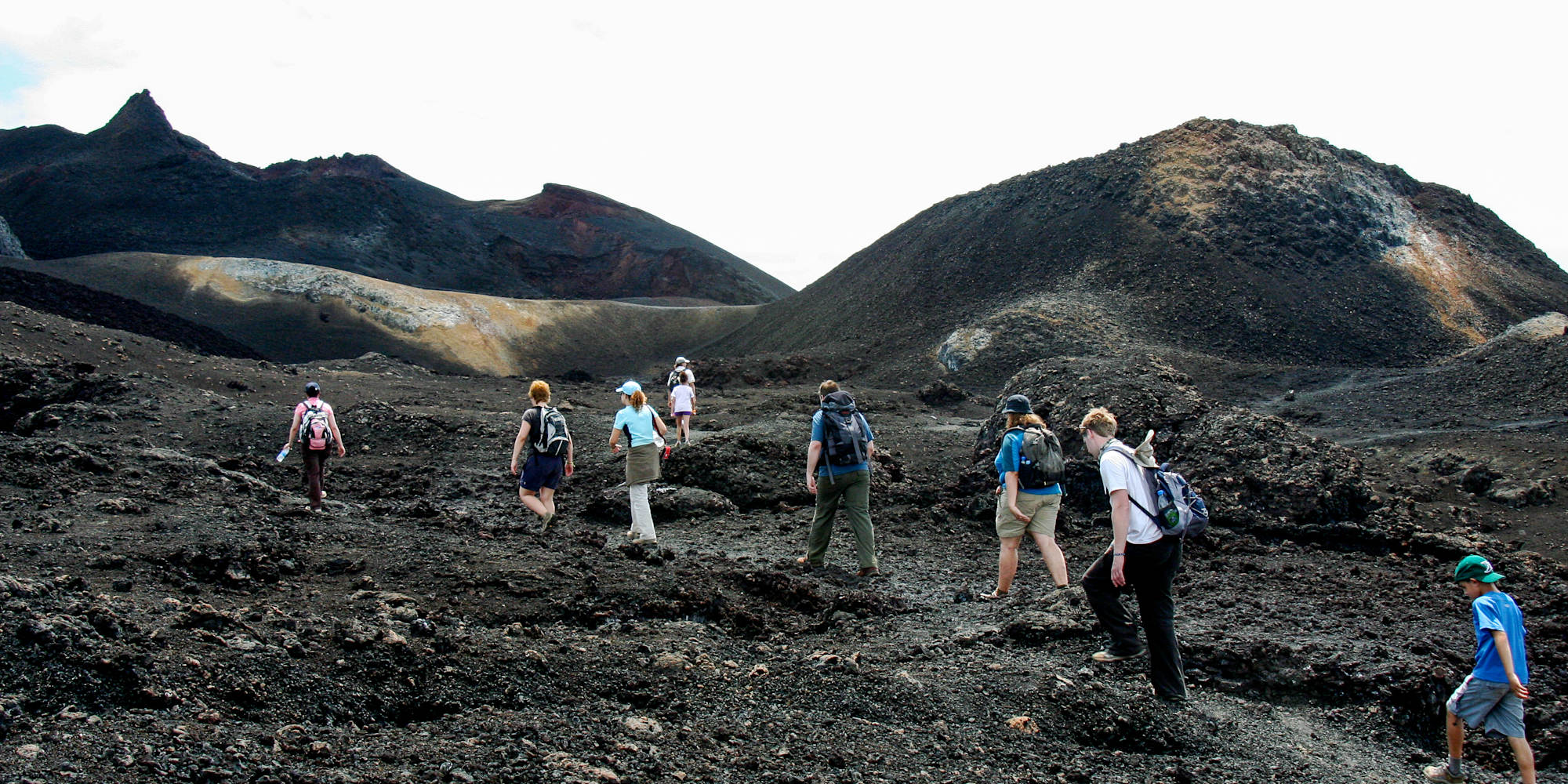
A land-based Galápagos trip means you sleep in island accommodations rather than on a cruise vessel, then explore by boat, foot, bike, kayak, and snorkel during the day. For many travelers, this is the sweet spot.
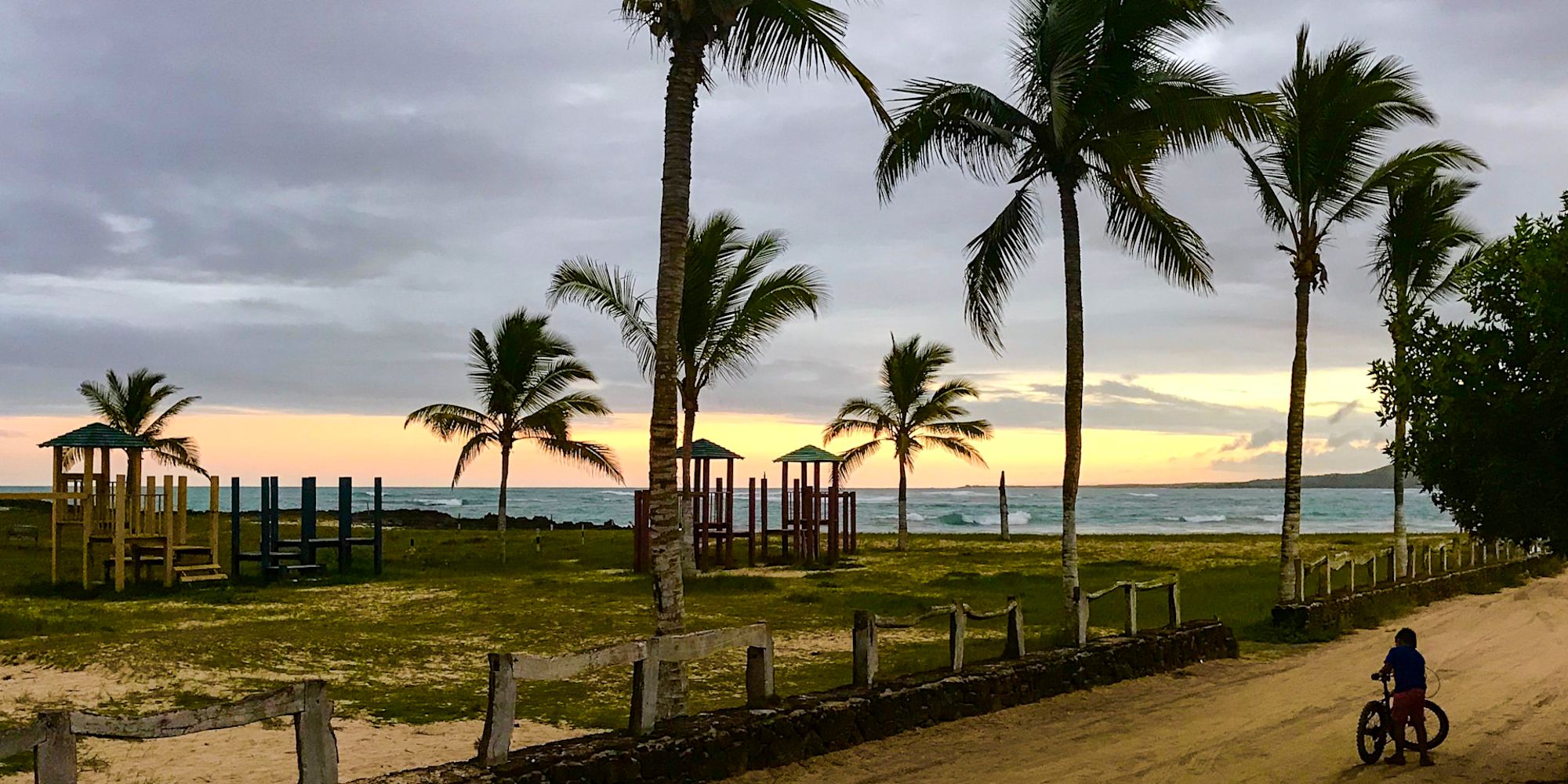
You still reach remarkable wildlife and marine sites, but you also get evenings ashore. You can wander a waterfront town after dinner, hear the local sounds of the harbor, sleep in a real bed on land, and wake up already part of the island’s rhythm.
It feels less like passing by the Galápagos and more like being welcomed into its daily pace.
Why choose land-based instead of cruise-based?
You prefer sleeping ashore rather than onboard a boat.
You want a more active itinerary with hiking, biking, kayaking, and snorkeling.
You like the idea of spending time in local island communities.
You are concerned about seasickness on a longer cruise.
You want varied days with guided logistics handled for you.
You enjoy small-group travel with expert local insight and thoughtful support.
Guided vs independent: which is better?
Independent travel can work for confident planners, especially if you enjoy arranging ferries, local guides, permits, accommodation, activity timing, and backup plans. Guided travel is better if you want the remote logistics to feel smooth, the wildlife interpretation to feel meaningful, and the day-to-day decisions to sit in capable hands.
With Active Adventures, the value is not just the itinerary. It is the calm feeling of knowing someone has checked the timing, organized the transfers, chosen the local experiences, and knows when to pause so you can take it all in.
How do you Prepare for a Galápagos Trip?
Entry requirements and fees
Check the current official Galápagos visitor fee information lists for the National Park entry fee for international visitors. Travelers should also complete the Transit Control Card process and biosecurity requirements before flying to the islands. Always confirm requirements before travel, as Galápagos rules and fees can change.
Flights and mainland logistics
Most travelers fly internationally into Quito or Guayaquil, then connect to the islands by domestic flight. Active Adventures’ Galápagos trips generally begin and end in Quito, which helps smooth the transition from long-haul travel to island travel.
Activity level and terrain
Expect active days, but not extreme ones. Terrain can include sandy tracks, uneven lava rock, volcanic trails, beaches, wetlands boardwalks, town streets, boat landings, and coastal paths. You should be comfortable walking for several hours, getting in and out of boats, snorkeling in open water, and spending full days outside.
Accommodation and group style
On a land-based trip, accommodation becomes part of the experience. You return to island stays each night rather than sleeping on a boat, giving you more time to feel the local rhythm. Active Adventures’ Galápagos trips are small-group journeys, with an average group size of around 12 on key itineraries, which keeps the experience personal and well-supported.
What should you pack?
Quick-drying tops and shorts or lightweight pants.
Swimwear and a rash guard or sun shirt.
Comfortable walking shoes with good grip.
Water-friendly sandals or shoes.
Wide-brimmed hat, sunglasses, and reef-safe sunscreen.
Light rain jacket or wind layer.
Daypack, dry bag, or waterproof phone pouch.
Personal medication and seasickness remedies if needed.
Reusable water bottle.
Binoculars or camera, if wildlife photography is part of the fun.
Pack light, but pack thoughtfully. The Galápagos reward travelers who are ready for sun, water, wind, and the occasional splash of the unexpected.
Is the Galápagos right for you?
Galapágos Islands adventures suits travelers who want:
Seamless logistics in a remote destination.
Expert local guides who can interpret wildlife, landscapes, and island rules.
Small-group company with personal care.
Active exploration without having to plan every transfer and activity independently.
Comfortable land-based accommodation.
A balance of wildlife, walking, snorkeling, culture, and downtime.
Which Active Adventures Galápagos trip should you choose?
Depending on the length of time you have for your vacation of a lifetime, explore these trips to see which adventure would suit you the best:
The 10-Day Ultimate Galapágos Islands Adventure
The 7-Day Classic Galapágos Islands Adventure
or if you've dreamed of hiking to Machu Picchu AND experiencing the Galapágos, check out the 13-Day Ultimate Machu Picchu and Galapágos Islands Adventure.
The Galápagos are a wonderful fit if you love wildlife, nature, active days, and learning from local guides. This is not a sit-still destination. Even the quiet moments feel alive.
You might be standing ankle-deep at the edge of the water when a sea turtle surfaces nearby, or pausing on a trail while your guide points out a finch that helped change the way humans understand evolution.
The days are full, but not frantic.
The wonder is big, but often found in small details.
Written by Madeline Miller, part of the Active Adventures team, with insight from a company that’s spent 30+ years creating guided adventure trips around the world.